
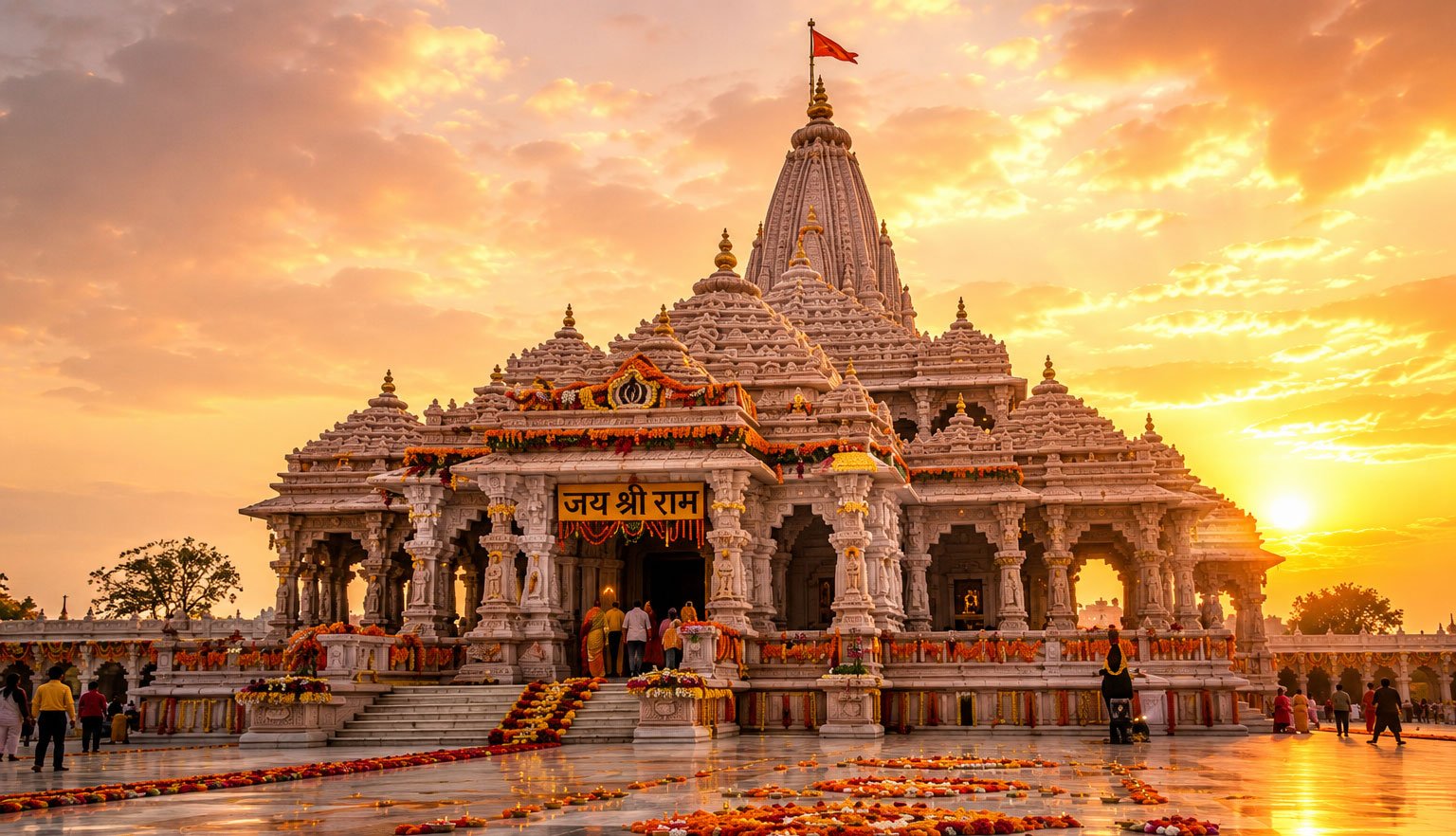

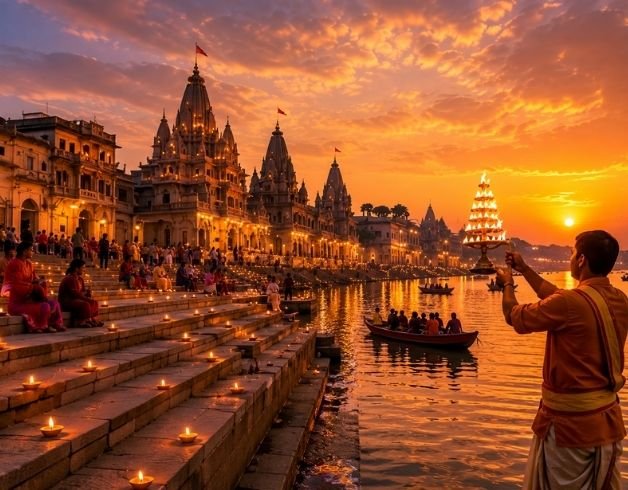
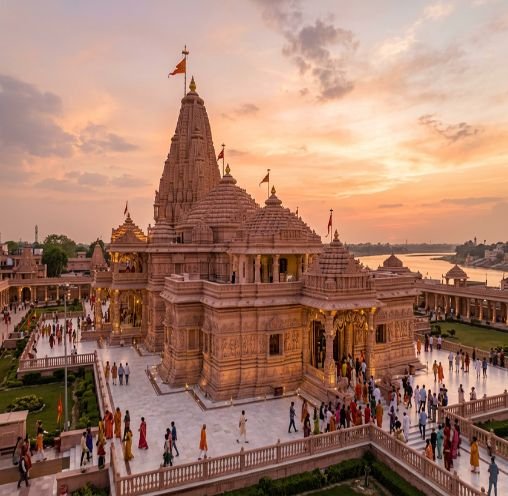
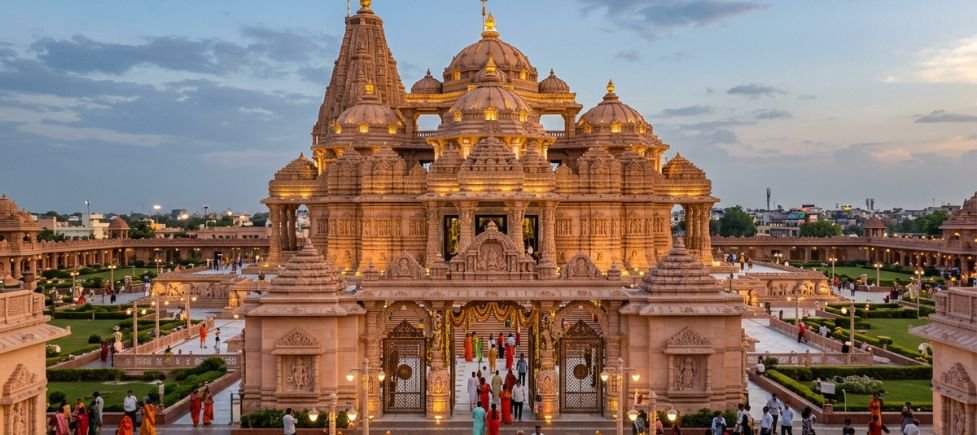



Planning your first visit to Ram Mandir in Ayodhya and wondering what to wear? The Ram Mandir Dress Code is an important part of preparing for a comfortable and respectful darshan. Visitors often ask whether traditional clothing is compulsory, whether men can wear jeans, what women should wear, and which outfits are suitable for children and senior citizens.
During 2026, devotees were encouraged to choose traditional Indian clothing, with dhoti-kurta recommended for men and sarees for women. For a safe and comfortable visit, choose clean, modest, practical clothing and follow the latest instructions from the temple administration. This guide explains what to wear, what to avoid, and practical dress tips for your Ram Mandir visit.
Quick Answer: Traditional Indian clothing is encouraged at Ram Mandir. Men can choose dhoti-kurta or kurta-pyjama, while women can wear saree or salwar-kameez. Choose clean, modest and comfortable clothes, and check the latest temple instructions before visiting.
Is There a Dress Code for Ram Mandir?
First of all, let’s try to understand the difference between dress-up advice based on customs and dress code being strictly enforced on every devotee.
Basically, it’s the latest update to a request that temple authorities made at the beginning of 2026: that the devotees visiting the Shri Ram Janmabhoomi Teerth Kshetra choose a dress code of traditional Indian clothes. Specifically, for men, they are recommended to wear dhoti-kurta whereas women may wear saree.
It’s all to maintain a respectful atmosphere in and around the temple so that the people feel a strong religious connection. That is one thing, but the fact still remains that if visitors are wearing something different, that doesn’t mean they should be judged by temple gatekeepers, nor should anyone be stopped on this basis. T
he temple officials’ main idea is that devotees dress decently and respectfully in order not to disturb the temple’s peaceful atmosphere. Also, it does no way suggest that everyone entering the temple must be wearing the same traditional costume all the time.
What is the safest clothing choice?
In case that you would like to go by the dress recommendation that traditional Indian clothing may best suit the temple ambiance, these clothes would be the right and easy choice:
| Visitor | Recommended clothing |
| Men | Dhoti-kurta or kurta-pyjama |
| Women | Saree, salwar-kameez or modest traditional attire |
| Boys | Kurta-pyjama or comfortable full-length clothing |
| Girls | Salwar-kameez, kurta set or comfortable modest clothing |
| Senior citizens | Comfortable traditional or modest clothing |
| Foreign visitors | Modest full-length clothing or culturally respectful attire |
The focus here should be on modesty, cleanliness, comfort, and maintaining respect for religious environment.
Is traditional dress compulsory?
It is probably better to say that traditional Indian garments are preferred to the extent that the law requires them. It can be a misleading statement to think that every devotee must by law or universally wear a particular set of clothes. The point is that temples can amend the dress codes that suit their current needs. Therefore, when in temples, visitors should get updated temple directions from temple authorities instead of relying on an old article, social media post, or forwarded message.
Are the priest and visitor dress codes the same?
Yes. In the month of august 2026, the temple unveiled a modern traditional costume for the priest. The article describing this change noted that the light-yellow silk dhoti and the yellow utterly was the attire. The article also mentions the style of Ramanand tradition. They also reported priests’ additional grooming standards. This is a kind of priest-related religious and ceremonial dress code. The visitor is not bound by this code. It should also not be seen as a mandate for the common people.
What are the pros of traditional wearing?
Even if a certain type of clothing is not mentioned as required, traditional clothing is often preferable.
It is because:
- Dressing in proper attire in a religious place
- Clothing comfortable to use while performing various acts of pilgrimage at the site
- Warding off potential confusion about temple etiquette
- Possible to use the same outfit while visiting multiple temples at one travel to Ayodhya
- Respectful from culture’s view
You do not have to dress up too fancy. Simple, clean, and comfortable clothing works well.
👉Ram Mandir Ayodhya Guide 2026: Amazing History, Timings & VIP Darshan Secrets
Ram Mandir Dress Code for Men
Men visiting the Ram Mandir should choose clothing that lets them be at ease physically while not disregarding the sanctity and spiritual ambiance of the temple.
Best traditional options for men
Dhoti-kurta
Wearing a dhoti and kurta is considered extremely traditional and is almost the exact clothing that temples recommended for devotees. It is mainly good for those who wish to follow traditional dresses at the shrine.
Kurta-pyjama
Kurta-pyjama is a suitable alternative. It is much simpler for many foreigners to wear kurta-pyjama instead of a dhoti for the first time and is also very good for whole-day touring.
Kurta with full-length jeans
In fact, a kurta along with stylish jeans is the blend of modern and traditional clothing.
Shirt and full-length trousers
Travelers unfamiliar with wearing the Indian outfit can still manage a simple shirt matched with full-length trousers. It should be a modest and worship-appropriate overall look.
Men’s outfit which one must not wear
Visitors to a shrine are better off avoiding:
- Tiny shorts
- Topless clothes including the tank top, muscle shirt
- Bare-back attire that is very revealing
- Heavily worn or torn clothes
- Graffiti or messages in bad or questionable English on clothing
- Pictures, slogans, or phrases that are offensive, derogatory, or inappropriate
- A piece of clothing is either completely see through or very tight
- Footwear or accessories hinder walking
What about jeans?
A statement that “jeans are completely banned in Ram Mandir” should be very carefully made. The actual practice may not even include jeans at all let alone the type of jeans that can only be worn at nightclubs.
A useful example
Various stages of the pilgrim journey call for diverse types of dressing.
Women’s Ram Mandir Dress Code
To be comfortable and look modest at the same time during the visit is probably the best way for females who don’t want to wear a traditional dress to get by.
The media reports the 2026 appeal suggested ladies should be in dresses. That being said, the fact, saree has been the traditional attire that is worn on the temple grounds and so visiting people who are of a conservative nature have nothing else in mind but to go with the tradition.
Saree
In a temple visit, wearing a saree is both suitable and respectful. But, if planning to be on the move for most of the day, you better pick a saree and footwear that you will feel comfortable in rather than going for an outfit that is just going to be there but not the one you wish to wear the entire day.
Salwar kameez
Salwar-kameez is another outfit choice that a woman could go for in the situation.
It offers:
- Easy and comfortable coverage
- Movement from A to Z
- Walking is easy
- Very suited to visiting a group of temples
Kurta set
If the woman is wearing a dress which doesn’t require a lot of fabric then it is also a clever idea to carry a simple piece with her. One option is a kurta along with full-length trousers or palazzo-like bottoms. These look smart if the woman is planning visits to temples and sites or maybe even a tour around.
What about Western clothing?
It’s essential to understand that Western dress is not the same inappropriate dress. A visitor doesn’t have to put on a specific form of traditional dress in order to come and pay one’s respects.
The better general guidance is modest clothing that covers one altogether.
The following should be avoided:
- Clothes that are too short in length
- Fabric that you can see through easily
- Outfit so revealing that it’s only appropriate on a beach or in front on camera
- Clothing is so tight or short that you have difficulty moving your body in while standing in a queue or going somewhere
Is a dupatta required?
Adding a dupatta is an excellent choice for those visitors who want an extra layer of clothing. For instance, it will come in handy if they want to cover up further when visiting places of great religious significance. On the other hand, it has no sense to talk about it as though it were mandatory, at least until such time as temple authorities come out publicly with such a rule.
Should women cover their heads?
Hiding one’s scalp with a covering is a norm seen at different religious places in our land. However, that norm sometimes does not translate directly into temple entry formal rules and procedures.
Better yet to have something as a headscarf or dupaata with you for the sake of covering your head at any moment as and when it becomes customary to do so. That way you are able to pay your respect without having to change it later into a requirement.
👉Famous Ghats of Ayodhya Naya Ghat, Lakshman Ghat & Ram Ki Paidi List
Dress Code for Children, Seniors, and Foreign Tourists
A temple pilgrimage is different for a family with children or elderly parents. Clothing has to be respectful, but it also needs to be practical for walking, waiting, and changing weather conditions.
What should children wear to Ram Mandir?
Children do not need elaborate outfits.
Boys
Suitable options include:
- Kurta-pyjama
- Full-length trousers and a simple shirt
- Comfortable traditional clothing
Girls
Suitable options include:
- Salwar-kameez
- Kurta with comfortable trousers
- Modest traditional children’s clothing
- Other comfortable, full-coverage outfits
The main priority should be keeping children comfortable and safe rather than dressing them in heavy ceremonial clothing.
What should senior citizens wear?
For elderly visitors, comfort is particularly important.
Choose:
- Lightweight cotton clothing in hot weather
- Warm layers in winter
- Loose-fitting outfits
- Comfortable footwear
- Clothing that is easy to sit and walk in
A senior citizen should not be expected to wear complicated clothing merely for appearance if it makes the pilgrimage uncomfortable. A light shawl or jacket can be particularly useful during winter mornings.
Ram Mandir Dress Code for Foreign Tourists
Foreign visitors do not need to imitate a specific Indian outfit simply because they are visiting a Hindu temple.
A good approach is:
- Full-length trousers
- Modest shirts or tops
- Long dresses or skirts with suitable coverage
- A scarf or shawl where appropriate
- Comfortable walking shoes or sandals
The general principle is simple: dress modestly and respectfully and follow local instructions. For international travellers, this also makes it easier to visit other temples in Ayodhya during the same day.
Can You Wear Jeans, T-Shirts, or Western Clothes?
This is one of the most useful questions to answer clearly because travellers frequently search for individual clothing items.
Can men wear jeans?
Plain full-length jeans should not automatically be described as prohibited unless a current official temple instruction says otherwise. However, traditional attire such as dhoti-kurta or kurta-pyjama is the better option if you want to follow the current traditional-dress recommendation.
Can women wear jeans?
The safest approach is to choose a modest full-length outfit. Traditional clothing such as saree or salwar-kameez is particularly suitable.
Can you wear a T-shirt?
A simple, modest T-shirt is very different from a sleeveless or provocative top. Visitors should use common temple etiquette and avoid clothing with offensive slogans or imagery.
Can you wear shorts?
Shorts are not a sensible choice for a major Hindu pilgrimage temple. Full-length clothing is more appropriate.
Can you wear a Western dress?
A modest, reasonably full-length dress can be more appropriate than revealing traditional clothing. The principle is respectful coverage, not merely the country where an outfit originated.
What about ripped jeans?
Ripped jeans are better avoided. Even where they are not specifically listed as prohibited, they are unnecessarily casual for a significant religious visit.
What Not to Wear to Ram Mandir
Rather than relying on exaggerated online “banned clothing” lists, visitors should think about clothing in terms of religious decorum, comfort, and current temple instructions.
- Avoid very revealing clothing: Extremely short, low-cut, or transparent clothes are unsuitable for a religious environment.
- Avoid beachwear: Beachwear or holiday resort clothing has no place in a major pilgrimage setting.
- Avoid very short shorts: Full-length clothing is the safer and more respectful option.
- Avoid extremely distressed clothing: Heavily ripped or torn garments can look unnecessarily casual for temple darshan.
- Avoid offensive graphics: Clothing featuring insulting language, provocative imagery or potentially offensive messages should be avoided.
- Avoid uncomfortable clothing: An outfit that requires constant adjustment can become frustrating during a pilgrimage.
- Avoid excessive accessories: Heavy jewellery, complicated accessories, and unnecessary bags can make security procedures and walking more difficult.
- Avoid difficult footwear: Shoes with complicated straps or laces can be inconvenient when footwear needs to be removed.
Ram Mandir Dress Code During Festivals
Festival visits require additional planning because the religious atmosphere, crowd levels, security arrangements, and visitor procedures can differ from ordinary days.
Important periods include:
- Ram Navami
- Deepotsav and Diwali
- Dussehra
- Major Hindu festivals
- Special temple celebrations
- Holiday and peak pilgrimage periods
The clothing itself does not necessarily become dramatically different, but modest traditional clothing becomes an even more practical choice when thousands of devotees are gathering.
Ram Navami
Ram Navami is particularly significant in Ayodhya. During major celebrations, visitors should expect heavier pilgrimage activity and potentially different security or darshan arrangements. The important lesson is to check current instructions before travelling rather than assuming that normal-day arrangements apply during a major festival.
Deepotsav and Diwali
Ayodhya attracts significant visitor interest during its festival season. Traditional clothing works particularly well for a day combining temple darshan, cultural activities and evening celebrations.
Special temple events
The temple administration periodically changes arrangements for special religious occasions. For example, 2026 reporting on Sawan Jhula celebrations described special darshan arrangements and changes to priests’ attire. This is another reason not to treat an old dress-code article as a permanent rulebook.
👉Ram Navami 2026 in Ayodhya – Date, Puja Timings, Celebrations & Travel Guide
What to Wear in Ayodhya by Season
The best Ram Mandir outfit is not only respectful. It should also suit Ayodhya’s weather.
Summer: March to June
Ayodhya can become extremely hot during summer. In April 2026, local reporting recorded temperatures reaching around 42°C, while special arrangements were made to help devotees cope with the heat. For hot weather, choose:
- Lightweight cotton kurta
- Cotton saree
- Lightweight salwar-kameez
- Breathable full-length trousers
- Cotton shirt
- Light scarf or dupatta
Avoid unnecessarily heavy fabrics and multiple layers.
Monsoon: July to September
Choose:
- Lightweight clothing
- Quick-drying fabrics
- Comfortable footwear
- A light rain layer
Since temple visits may involve walking between locations, practical clothing is more useful than formal clothing that takes a long time to dry.
Winter: November to February
Winter mornings and evenings can be cool. Suitable clothing includes:
- Kurta with jacket
- Full-sleeve shirt
- Saree with shawl
- Salwar-kameez with sweater
- Light jacket
- Additional warm layers for early morning
A good approach is to dress in layers so you can adjust your clothing as the day becomes warmer.
Internal link opportunity: Link “Best Time to Visit Ayodhya” to your seasonal travel guide.
Footwear, Accessories and What to Carry
The right outfit is only part of temple preparation. A pilgrimage around Ayodhya can involve walking, waiting, and visiting multiple religious sites in one day.
Choose practical footwear
Good options include:
- Comfortable sandals
- Flat footwear
- Easy-to-remove shoes
- Broken-in walking shoes
Avoid brand-new footwear that may cause blisters. You should also avoid footwear that is unnecessarily complicated to remove.
Keep accessories simple
Large bags, excessive jewellery, and unnecessary accessories can make travel more cumbersome. Your objective should be to keep your belongings manageable.
What about electronics?
Temple security and restricted-area procedures can change. Visitors should not assume that every item allowed elsewhere in Ayodhya will automatically be allowed into every part of the temple complex. Rather than relying on an old “allowed/not allowed” list, check current visitor instructions before you leave your hotel.
Carry only what you need
A simple pilgrimage setup might include:
- Required travel or booking information
- Personal essentials
- Weather-appropriate clothing
- Comfortable footwear
- A light scarf or shawl
- Minimal valuables
Common Dress Code Mistakes to Avoid
Even visitors who know the basic rules can make practical mistakes.
Mistake 1: Choosing fashion over comfort
A complicated outfit may look excellent in photographs but become tiring after several hours of walking. Choose comfort first.
Mistake 2: Assuming every internet claim is an official rule
A blog, social media post or travel reel may describe one person’s experience. That does not automatically make it a current temple rule.
Mistake 3: Confusing the priest’s dress code with the visitor’s dress code
The priest attire introduced in August 2026 is a specific religious and ceremonial rule. It does not mean ordinary visitors need to wear the same yellow attire.
Mistake 4: Forgetting the weather
A pilgrimage during an Ayodhya summer requires very different clothing from an early winter morning.
Mistake 5: Wearing difficult footwear
Your temple outfit may be perfect, but uncomfortable shoes can quickly make the day unpleasant.
Mistake 6: Planning only for Ram Mandir
Many travellers visit other Ayodhya attractions on the same day. The district administration lists places such as Hanuman Garhi, Kanak Bhawan, Ram Ki Paidi, Nageshwar Nath, and Deokaali among the city’s religious and tourist attractions. Your clothing should therefore work for the entire itinerary.
Official Rules vs Online Claims: What Should You Trust?
This is one of the most important sections for a trustworthy Ram Mandir guide. Dress-code information is frequently copied from one website to another. Over time, a recommendation can start being presented as a strict rule even when the original source did not say that. A sensible information hierarchy is:
Current temple/Trust instruction → current local official information → reputable contemporary reporting → established travel guidance → old blogs and social-media posts
For example, current 2026 reporting supports the statement that devotees have been encouraged to wear traditional Indian clothing, including dhoti-kurta for men and sarees for women. Separately, contemporary reports confirm the August 2026 priest attire rule, which should not be confused with visitor clothing.
For broader Ayodhya travel planning, the District Ayodhya website is a useful official reference and currently lists Ram Janm Bhumi Mandir and other major local attractions. The district tourism pages were updated in 2026. The practical rule: never treat a permanent dress-code statement as fact when the temple’s current instructions may have changed.
Ram Mandir Dress Code: Quick Guide
| Question | Practical answer |
| What should men wear? | Dhoti-kurta or kurta-pyjama are the safest traditional choices. |
| What should women wear? | Saree, salwar-kameez or another modest outfit. |
| Is traditional clothing encouraged? | Yes, 2026 reporting says the temple trust encouraged devotees to choose traditional Indian clothing. |
| Is dhoti compulsory for all men? | Do not assume that every visitor must wear a dhoti unless a current official instruction says so. |
| Is saree compulsory for all women? | Treat it as a recommended traditional option rather than automatically claiming it is universally mandatory. |
| Can you wear jeans? | Plain full-length jeans should not automatically be described as prohibited; traditional clothing is the safer choice. |
| Can you wear shorts? | They are not a suitable choice for a major temple visit. |
| What should children wear? | Comfortable, modest clothing appropriate to the weather. |
| Do priests and visitors follow the same dress code? | No. The 2026 yellow traditional attire is a priest-related rule. |
| What should foreign tourists wear? | Modest, full-length clothing that respects the religious setting. |
Ram Mandir Visit Checklist
Before leaving your hotel in Ayodhya, use this quick checklist:
Clothing
- Clean and modest outfit
- Traditional clothing where practical
- Full-length clothing
- Weather-appropriate layers
Footwear
- Comfortable
- Easy to remove
- Suitable for walking
Personal belongings
- Carry only essential items
- Keep valuables to a minimum
- Check current security instructions
Before travelling to the temple
- Check current temple information
- Check darshan/pass arrangements applicable to your visit
- Check festival-related changes
- Allow additional time during busy periods
During the visit
- Follow temple staff and security instructions
- Respect queues and designated routes
- Follow current photography/electronics restrictions
- Avoid arguments over clothing or security procedures
- Remember that temple rules can be updated
Planning a Complete Ayodhya Temple Visit
A visit to Ayodhya is rarely limited to Ram Mandir alone. While the newly developed Shri Ram Janmabhoomi complex is the main attraction for many pilgrims, the city is home to several other important temples, ghats and religious landmarks that are worth including in your itinerary.
The official Ayodhya district tourism portal lists major attractions such as Hanuman Garhi, Kanak Bhawan, Nageshwar Nath Temple, Ram Ki Paidi, and Deokaali, along with several other places of religious and historical importance.
Because many of these places are located within the wider Ayodhya pilgrimage circuit, planning your day in advance can make the journey more comfortable and less rushed.
A Practical 2-Day Ayodhya Temple Itinerary
If you are visiting Ayodhya for the first time, a two-day plan can give you enough time to cover Ram Mandir along with some of the city’s major temples and riverside attractions.
Day 1: Hanuman Garhi, Kanak Bhawan and Ram Ki Paidi
Morning: Arrival in Ayodhya
- Arrive in Ayodhya by train, flight, bus, or private vehicle.
- Check in at your hotel and take some time to freshen up.
- Keep your essential belongings organized before starting local sightseeing.
- If you arrive early, you can begin sightseeing after settling into your accommodation.
Afternoon: Visit Hanuman Garhi and Kanak Bhawan Start your temple circuit with two of Ayodhya’s well-known religious landmarks:
- Hanuman Garhi – One of the most prominent Hanuman temples in Ayodhya.
- Kanak Bhawan – A beautifully decorated temple dedicated to Lord Rama and Goddess Sita.
- Spend time at each temple according to the crowd and local conditions.
- Keep some flexibility in your schedule because temple visits can take longer during busy pilgrimage periods.
Evening: Ram Ki Paidi and Saryu River side in the evening, head towards the Saryu riverfront and Ram Ki Paidi.
- Walk along the riverside.
- Explore the surrounding religious areas.
- Spend some quiet time near the Saryu.
- If your schedule permits, include the Saryu Aarti in your evening plan.
The evening is generally an enjoyable time to experience Ayodhya’s religious atmosphere without trying to fit too many temple visits into a brief period.
Day 2: Ram Mandir and Additional Ayodhya Sightseeing
Morning: Ram Mandir Darshan Keep the second morning primarily for your visit to Ram Mandir.
- Start your day early.
- Carry only permitted belongings.
- Follow the latest entry, security and darshan instructions issued by the authorities.
- Allow additional time for security checks and queues, particularly during festivals and peak pilgrimage periods.
For a smoother visit, check the latest official arrangements before travelling because entry procedures, restrictions and crowd-management arrangements can change. Afternoon: Explore More Temples and Local Attractions After completing Ram Mandir darshan, continue with other places according to your interests and available time.
Possible additions include:
- Nageshwar Nath Temple
- Deokaali Temple
- Other important temples in the Ayodhya pilgrimage circuit
- Saryu riverfront areas
- Local markets and traditional shopping areas
You do not need to visit every attraction in one day. Choosing a few important places can make the experience more comfortable, especially for families, senior citizens and travellers visiting during busy periods.
Evening: Departure or Overnight Stay If you have a late departure, you can use the evening for a final visit to the Saryu riverfront or nearby attractions.
Otherwise, check out from your hotel and proceed towards your railway station, airport, or road departure point. If you are travelling at a relaxed pace, staying one additional night can make the trip more comfortable and reduce the pressure of covering everything before departure.
Plan Your Ayodhya Trip with Trip My Ayodhya
Plan and enjoy a spiritually enriching travel experience in a very convenient way through the expert assistance of Trip My Ayodhya. Being a reliable and trusted company for pilgrimage tour management, we ensure your tours from a temple to a temple go like a dream. We have customized tours and comfortable transport. You need not only get the spiritual darshan but also have an enjoyable time in visiting local tourist spots while you are there. With our services, you will not have hotel booking or travel planning worries, as everything is already well arranged by us.
Visit Ayodhya, Varanasi, Mathura, and Vrindavan with a peace of mind as we handle things on our end so that you can devote your time and energy solely to experiencing a spiritual and religious trip. Select our package as the best of all your options if you want a hassle-free, pleasant, and unforgettable travel venture to the most holy places in India.
Bookings with Trip My Ayodhya What You Gain
- Customized Tours We make the itineraries according to how the customer needs time and expenditure-wise
- Travel in Comfort Our vehicles are kept in a good condition and the drivers are experienced
- Celebrating Priority Darshan You will be able to save the time at temple visits if we handle temple visits well
- Local Experts The tour is explained in detail with spiritual knowledge by an expert guide
- Lower Cost There is a combination of many services with competitive price and no hidden fees
- Available Anytime Service Customer support team will give you help for the rest of your adventure
- Integrated Services All the necessary services like stay, transport, and sightseeing have to only be asked for once
Also BOOK: Same Day Ayodhya Tour Package – Itinerary – Explore the top temples and spiritual attractions of Ayodhya in one day with a well-planned sightseeing itinerary.
Plan your upcoming trip with us and experience a divine journey like never before!
📞 Call Us: +91 7078723132 | +91 9557104160
📲 WhatsApp Us: +91 7078723132 | +91 9557104160
🌐 Visit Our Website: Trip My Ayodhya | Vrindavan Mathura Tourism
🔗Explore all our packages here 👉 Trip My Ayodhya Packages
🔗 Read Our Blogs for Travel Inspiration: Trip My Ayodhya Blog’s
What to Wear When Visiting Ayodhya Temples
Clothing is worth considering when planning a multi-temple visit in Ayodhya. Since your itinerary may include several religious sites in the same day, comfortable, modest, and practical clothing is generally the easiest choice. It allows you to move between temples, ghats and other attractions without needing to change clothes repeatedly.
For most travellers, useful options include:
- Comfortable traditional clothing
- Modest everyday clothing suitable for temple visits
- Comfortable footwear that can be removed easily
- Light and breathable clothes during warmer months
- Warm layers during winter mornings and evenings
Temple-specific clothing requirements, if any, should always be checked before your visit.
Why Planning Your Temple Visits Matters
Ayodhya has many religious places, and trying to cover all of them without a plan can make the trip tiring.
A simple itinerary helps you:
- Group nearby attractions together.
- Avoid unnecessary backtracking.
- Keep enough time for Ram Mandir darshan.
- It includes the Saryu riverfront and evening activities.
- Make the journey easier for children and elderly travellers.
- Keep some flexibility for crowds, security checks, and unexpected delays.
The best approach is not to create an overly packed schedule. Instead, select the temples and attractions that are most important to you and leave enough time between visits.
Conclusion: Ram Mandir Dress Code
Planning a visit to Ram Mandir in Ayodhya becomes easier when you prepare for both the spiritual experience and practical travel needs. The Ram Mandir Dress Code mainly calls for modest, respectful, and comfortable clothing. Men can choose dhoti-kurta or kurta-pyjama, while women may prefer sarees, salwar-kameez or other modest outfits. Children should wear comfortable clothes suited to the weather, and senior citizens should priorities easy-to-manage clothing and footwear.
Visitors should also distinguish between general dress guidance and the separate traditional attire prescribed for temple priests. Since temple arrangements and security procedures can change, especially during festivals and peak periods, always check the latest instructions before travelling.
With suitable clothing, comfortable footwear, minimal belongings and a well-planned itinerary, your Ram Mandir darshan can be more peaceful and enjoyable. Before your trip, review the latest darshan arrangements and plan other important Ayodhya attractions alongside your temple visit for a smoother pilgrimage experience.
📞 Call Us: +91 7078723132 | +91 9557104160
📲 WhatsApp Us: +91 7078723132 | +91 9557104160
🌐 Visit Our Website: Trip My Ayodhya | Vrindavan Mathura Tourism
Frequently Asked Questions About Ram Mandir Dress Code
Is there a dress code for Ram Mandir Ayodhya?
Yes, current 2026 reporting says the temple trust has encouraged devotees to wear traditional Indian clothing, including dhoti-kurta for men and sarees for women.
Is traditional dress compulsory at Ram Mandir?
Traditional clothing is encouraged, but visitors should not automatically treat every online claim of a strict uniform requirement as official. Follow the latest instructions provided by temple authorities.
Can men wear jeans to Ram Mandir?
Plain full-length jeans should not automatically be described as prohibited without a current official rule. However, dhoti-kurta or kurta-pyjama is the safer traditional option.
Can women wear Western clothes to Ram Mandir?
Modest full-length Western clothing may be practical, but traditional clothing such as sarees and salwar-kameez is the most culturally appropriate choice for visitors wishing to follow current recommendations.
Can I wear shorts to Ram Mandir?
Shorts are not a sensible choice for a major Hindu temple. Full-length, modest clothing is more appropriate.
What should children wear to Ram Mandir?
Children should wear comfortable, modest clothing suitable for the weather. Kurta-pyjama and other traditional outfits are good options, but comfort should remain a priority.
What should foreigners wear to Ram Mandir?
Foreign tourists can wear modest full-length clothing such as trousers, shirts, long dresses, or skirts with appropriate coverage. Traditional Indian clothing is welcome but does not need to be treated as a requirement unless current temple instructions specify otherwise.
Do Ram Mandir priests have a different dress code?
Yes. In August 2026, a modern traditional attire was introduced for priests, including light-yellow garments associated with the Ramanand tradition. This is separate from visitor clothing guidance.
What should I wear to Ram Mandir in winter?
Wear comfortable traditional or modest clothing with layers. A kurta with a jacket, saree with a shawl or salwar-kameez with a warm layer can work well for cooler mornings.
Does the dress code change during festivals?
Visitor arrangements can change during major festivals because of crowds, security, and special religious programmes. Check the latest instructions before travelling rather than relying on ordinary guidance.







1 Comment
[…] 👉Ram Mandir Dress Code – What to Wear & What to Avoid in Ayodhya […]