

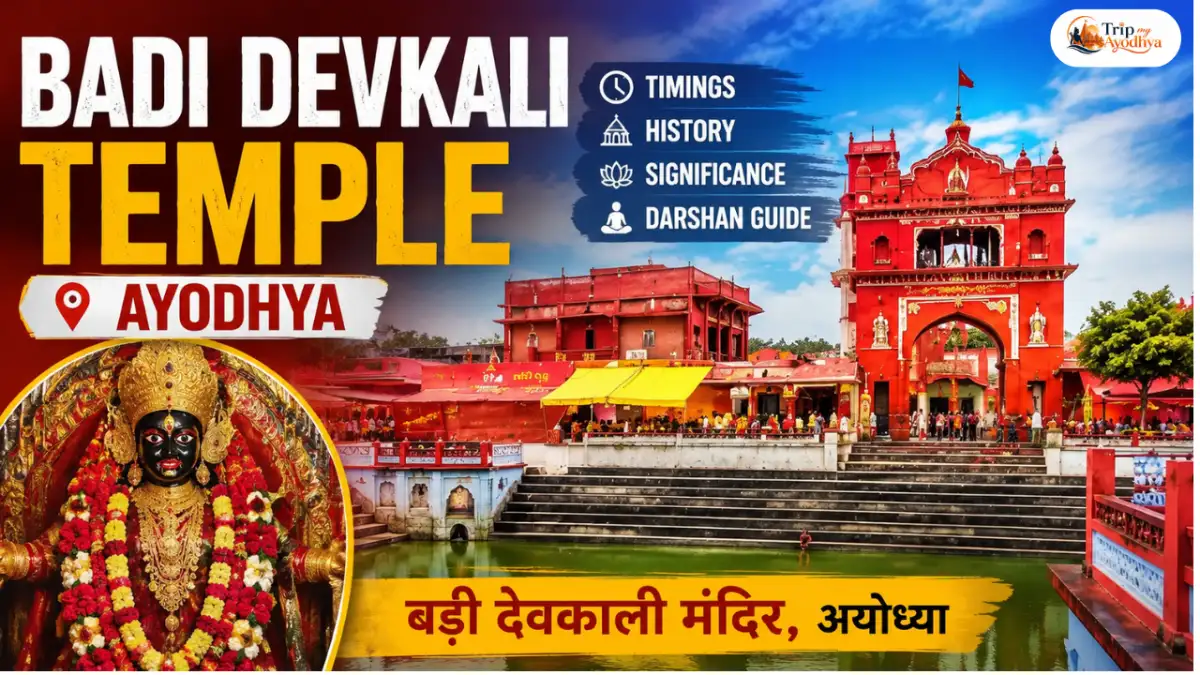
If planning your spiritual pilgrimage to Ayodhya, remember that apart from the main sights, there are also many other sacred shrines. Out of these holy places, a small temple dedicated to the goddess Devkali Badi Devkali Shrine or in common -Deokaali temple occupies an important part of the Ayodhya’s religious folklore. District Ayodhya administration officially declares this temple along with Deokaali as a religious tourist place.
Mother Sita was carrying an idol of Goddess Girija Devi as she was heading to Ayodhya to get married to the Lord Rama says Mother Sita’s story, according to the website of the district administration.Dashrath, the King of Ayodhya is said to have constructed a temple for the deity to let Sita have her devotion offered to the goddess.
Even till this day, the temple’s Devkali goddess is displayed with so much grandeur that one finds it very hard to forget. The legends associated with Devote the gods of Ayodhya. The myths that are recounted here are more akin to the religious and mythological history of the place than actual factual archaeology.
Badi Devkali Temple Ayodhya: History and Religious Significance
What is the temple of Badi Devkali?
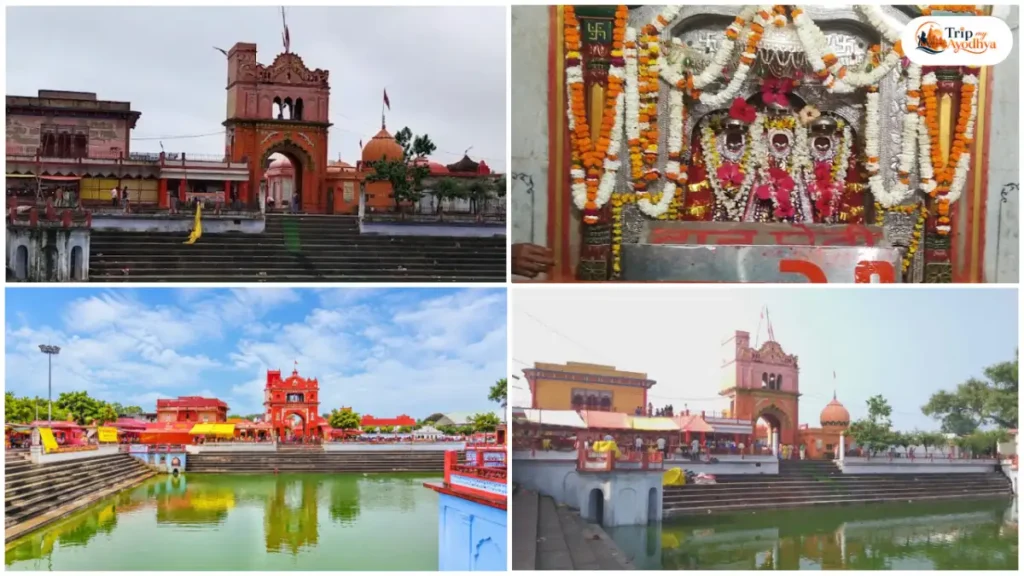
The Badi Devkali Temple is a small temple of the Goddess of Devkali, situated near Naya Ghat on the banks of the river. According to District Ayodhya Administration, Devkali is one of the city’s places of religious tourism.
It is significant not only because goddess worshipped here, but also because of the old folklore associated with it. According to official website of Ayodhya district, it is believed that Mother Sita brought, the idol of Goddess Girija Devi after her marriage to Lord Rama and left it in Ayodhya. In the folklore, King Dashrath is credited as the one who wanted a temple built where Sita could perform worship of the goddess.
The temple nowadays contains an impressive image of the Goddess Devkali, which is thought to be worshipped by a few.
The connection of Devkali Mata with Ayodhya
The religious aspect of devotion for the Lord Rama, along with the myths related to the Ramayana are closely interconnected to Ayodhya’s identity as a holy city.
The Ayodhya District website explains the city as an ancient religious and historical center that is closely associated with Lord Rama, and has many temples as well as ghats, the cultural traditions all together form one big pilgrimage route rather than one place alone.
The Badi Devkali Temple allows pilgrims a different spiritual experience instead of the big sights in Ayodhya. In addition, pilgrims who wish to pay visits to traditional devi temples are also welcome to the Badi Devkali Temple and after that continue visiting other temples and the holy Saryu riverfront.
Traditional beliefs and local religious importance
Religious traditions around Badi Devkali Temple are preserved and handed down to the next generations. Devotees find Goddess Devkali connected to the great Mother Sita and even Ayodhya which, for them, adds to the spiritual value of their worship here. Hence, apart from being a beautiful place for sightseeing the temple, it is primarily a place for prayers, darshan, and worship.
Devotional beliefs should be presented differently from the local religious observances while also making a distinction with the known historical facts. This helps provide accurate details about the sacred places that are, as well, respectful to all parties concerned.
Why devotees visit Badi Devkali Temple
Besides visiting the temple for religious purposes, a person may have several other reasons like the following:
- To take a look at and pay respects to the Goddess Devkali.
- To pray and make religious offerings.
- To ask for blessings for self and his or her family.
- To get involved in some religious activity during festive occasions.
- To make it part of their journey from the Ram Mandir to other places in Ayodhya.
- Just to know one of the religious sites from which Ayodhya is known.
Since Temple is right next to the New Gate, one can easily manage to go on to this one and still do the rest of the attractions that line up Saryu riverfront.
Badi Devkali Temple’s place in an Ayodhya pilgrimage
There is actually no need for a devotee to go and only visit the Badi Devkali Temple for one day alone. Rather, he can plan for an entire day Ayodhya pilgrimage in and around Ram and Hanuman temples.
Pilgrim could, for example, visit Ram Janmabhumi, Hanuman Garhi, Kanak Bhawan, Nageshwar Nath Temple, Ram Ki Paidi, and Saryu ghats. However, the temple’s opening time, weather, the devotee’s strength, and the number of visitors are some factors that would affect their final decision. All these sites are considered as essential places of religious interest in Ayodhya.
Badi Devkali Temple Timings, Darshan & Best Time to Visit
Closing and Opening Timetable of Badi Devkali Temple
This is what we know as tourism information which, at the time of posting, mentions that a Devkali temple at
the location Naya Ghat would have the following working period:
| Day | Reported Timings |
| Monday | 4:00 AM – 9:00 PM |
| Tuesday | 4:00 AM – 9:00 PM |
| Wednesday | 4:00 AM – 9:00 PM |
| Thursday | 4:00 AM – 9:00 PM |
| Friday | 4:00 AM – 9:00 PM |
| Saturday | 4:00 AM – 9:00 PM |
| Sunday | 4:00 AM – 9:00 PM |
This schedule is provided by Ayodhya Tourism based on the update in November 2025. But yet another source of published information says that there is a separation in the schedule as morning hours from 6:00 AM-1:00 PM, and evening hours from 4:00 PM-9:00 PM. Visitors should be advised to confirm the latest timetable before taking on a time-restricted journey to visit the religious site.
Best way of doing it: If you are primarily visiting the sacred place or participating in aarti, it is always safer to double-check and know the time of darshan of that particular day from the temple officials or from another trustworthy person rather than getting the information from only internet.
What is the best time for darshan?
For most of the visitors it is quite nice to go in the morning or evening hours. When it is summer, going for temple Darshan early in the day is really a clever idea since most of the time the heat of the day would be less during the early hours, and besides, you would have an opportunity of avoiding the crowds.
Visitors to temples in the evening may find it convenient to combine their darshan time with having a stroll along river Saryu as well.
At times, it would still depend on just the type of religious experience one wants to have:
| Purpose | Recommended Time |
| Cooler weather | Early morning |
| Quieter pilgrimage | Early morning on a regular day |
| Family visit | Morning or late afternoon |
| Temple + Saryu visit | Late afternoon/evening |
| Festival experience | Festival period, with extra time |
How much time should you spend at the temple?
In general, the time required for Darshana at Badi Devkali Temple would be somewhere between 30 and 60 minutes. The figure is not fixed and the length of your visit depends more on queues, the number of visitors and worship rituals. During Navratri and other big occasions, the waiting time goes up.
Best months to visit Badi Devkali Temple Ayodhya
If you plan to be sightseeing, it is more comfortable and pleasant to have a visit during the months of October to March at this place around Ayodhya because the weather is not too hot at this time so you can take a walk and explore multiple temples and outdoor places.
You will appreciate this information if the Badi Devkali Temple visit is part of your complete pilgrimage on a particular day in fact. If the day is quite hot, then morning times only are advised to be out because the peak time is not the best time for sightseeing.
Monsoon period needs the person to be more flexible if you plan a visit. That is because rain often impacts the local transport and walking conditions besides ruining a visit.
Festival days and special occasions
The experience of visitation will be entirely different on a major festival day at one of the Ayodhya temples. During the time of festivals when religious congregations are in
you should be prepared for:
- A surge in visitor numbers.
- Longer waiting lines.
- A greater number of temple-related activities happening around.
- Lots of traffic in the city.
- Higher demands for local transport.
- Alterations of temple routine.
During Navratri and other major religious occasions, it is best practice to come a bit earlier and leave some buffer time for your next appointments.
How to Reach Badi Devkali Temple in Ayodhya
Badi Devkali Temple location and surrounding area
Commonly called by the temple name Deokaali in India’s official tourism materials, Badi Devkali Temple is right adjacent to Naya Ghat in Ayodhya city. Being an extremely important riverfront area in Ayodhya Saryu River, Naya Ghat is a convenient place to visit if you want to go together from the temple to some near ghats or sacred places.
To make sure that there are several temples on the map, you are advised to double check the final destination on your Google Maps navigation or any other map guiding apps. Several temple names in India are often found the same.
How to reach the temple from Ayodhya railway station
It is no great secret Ayodhya has been developed to be among the prominent railway destinations. The official administration of the area lists two chief rail lines of Ayodhya and Faizabad stations for the district. So, from the platform of Ayodhya railway station
the visitor can either go straight or rent an:
- Autorickshaw.
- Local cab.
- Private taxi.
- Or other forms of public transport.
When you have elderly members of the family with you or if you carry a lot of baggage then a private cab is a much easier and more convenient mode of transportation if compared with changing transport from one place to another in the city.
How to reach from Ayodhya Dham Junction
Ayodhya Dham Junction is a primary railway facility serving devotees to the ancient city. From the railway station, most of the time visitors prefer a local cab or auto-rickshaw, which is a good option that also provides the flexibility of reaching the destination directly.
Ayodhya is experiencing major population growth in these times due to its religious significance. It makes sense to have a good buffer time before starting your journey. Traffic conditions, road barricading, and festival crowds may lead to quite considerable deviations in travel time between the station and your temple destination.
How to reach Badi Devkali Temple from Ayodhya Airport
The most immediate and hassle free option to move around after arrival at airport is by taxi or private car. Those coming in from locations where convenient direct air connectivity is not an option, may consider airports such as Lucknow, Prayagraj, Gorakhpur, and Varanasi.
Official District Ayodhya Tourism web page presents road and air travel details for these aforementioned cities including information on road distance and duration to Ayodhya.
At peak times such as major religious celebrations and festivals, it might be that getting from the airport to the city is a longer haul because not only is the traffic denser but there are more people on the roads. Therefore, do not underestimate it when choosing a time to travel.
Reaching the temple by road from Lucknow, Varanasi, and nearby cities
Road network from Ayodhya provides excellent connectivity to a number of UP centers. Tourism division says road links to Lucknow, Gorakhpur, Prayagraj, and Varanasi are, among others. The bus service by Uttar Pradesh Transport Corporation is a great option for budget travelers.
Make sure to get the latest GPS navigation updates before leaving your home with your car and do so with your car only when you are completely confident of the correct rout as well as traffic conditions. In this way, you can avoid delays and also enjoy the trip to fullest. Internal link opportunity: If there is a travel guide related webpage for Ayodhya then the best place to put the link will be after this paragraph.
Badi Devkali Temple Darshan Guide for First-Time Visitors
What to expect when you arrive
You will probably start by being guided around the area by a priest before reaching the main shrine just like you can expect in any temple.
Probably you would have to do the following:
- Locate where to remove your shoes.
- Safeguard bags and personal things.
- Stick to the marked visitor pathway.
- Queuing up in case someone else is photographed in the temple.
- Obeying the rule of temple on photography or taking photographs of devotees and worship without prior consent.
These arrangements might change with the time of the festivals too
What should devotees wear?
It is not required that you wear a particular kind of clothing for your visit. The best thing is to dress comfortable yet respectfully if you want. Towards lighter clothing for the purpose of avoiding the heat it is very helpful if the clothing is very light especially during the summer whereas you would have to keep a few extra clothes with you for the wintertime.
This is because Ayodhya can be a cold place in the mornings and evenings during winter. Also, if one is planning to go from temple to temple it is very necessary to have the correct shoes so that walking does not cause too much discomfort.
What can you take inside the temple?
It varies considerably from one temple to another about what one is allowed to do and what materials or things one is permitted to bring inside a temple.
If you do not have a big piece of luggage and you want to take all your belongings and valuables with you, then do go for this option. You will be advised that you must keep the number of your belongings to a minimum and to continue your way without hindrances by following the suggestions made by the temple people.
It would also be helpful if you used a proper way of doing things if you have something that you are giving to the Lord as per the offerings. In these cases, you should just go along with the formal arrangements that they make, but do not fall into the trap of saying that their purchase is the only and mandatory one.
Photography and mobile-phone etiquette
Take note of where you can do photos in the temple. If it is allowed in specific places you must follow that and not elsewhere.
- Look for signs and posters that indicate where you are allowed to photograph and where it is not allowed.
- Sometimes a priest or other temple staff may tell you that you are not allowed to take photos of certain pictures or areas.
- Flash photography should be absolutely avoided near sacred areas of worship.
- Always obtain permission from someone (a devotee or a temple official who should give such permission in the case of a devotee, or the person who is in charge if it is one of the temple officials). Never, ever, photograph a devotee without their consent.
- During prayers and ceremonies, one must switch off one’s mobile phone or one must just put it on silent mode to be very respectful.
Overall, you should take pleasure in seeing and exploring the beauty of the temple while being considerate of the people who go there only for the purpose of their spiritual practice.
Puja and offerings at Badi Devkali Temple
Devotees can worship goddess Devkali by praying and presenting her traditional offerings. Certain published materials refer to halwa and puri as items of offerings connected to the temple, while in truth offerings and ritual preparations may differ with time. If you have a specific ritual on your mind, it would be better to consult with the temple staff to get the latest arrangement rather than referring to out-of-date online costs or trusting claims of third parties who are not working there.
Tips for senior citizens, children, and families
The whole group can enjoy the tour much better by arranging it at a comfortable time of the day. For the elderly:
- Acknowledge the most burning hour is not appropriate at such time.
- Drink the available water.
- Have time for resting periods.
- Go for private transport if there are multiple stops.
With regard to children:
- Crowded places are not good places to leave children alone.
- Skip carrying the bags that are not necessary.
- Temples have etiquette rules; make children aware beforehand.
Festivals at Badi Devkali Temple: What Visitors Should Know
Navratri celebrations
It goes with the saying that Navratri is the period devoted entirely to devotees of Goddess Durga and other forms of the Divine Mother. An outing in the holy days of Navratri can offer you more spiritual experiences and vibrant worship, but it also means facing large crowds and longer waiting times. In case your top priority is getting a peaceful darshan, it might be a better time to come on a usual day when it is outside of the festival season.
Other important Hindu festivals
There is hardly any religious city like Ayodhya where the religious calendar is as packed all year round as in Ayodhya. Main festivals and pilgrimage events are factors that can affect the ease of getting around and the crowding levels not only in their main venues, but also in the rest of the city. The District Ayodhya tourism website presents a lot of details of religious and cultural attractions and events that help the town keep its religious pilgrimage character throughout the year.
What is different about the major festivals?
You are likely to observe the following during festival periods:
- Longer queues for darshans.
- Short-term traffic regulations.
- Availability of parking to get lower.
- Cars and rickshaws are more in demand.
- Temple and ghat roads are much more heavily trafficked.
Thus, a flexible daily plan works most of the time compared to the one that is rigidly followed and which gives each place about thirty minutes only.
Tips for visiting during peak festival periods
If time allows it, try to be there early. Pack only the bare essentials and safeguard your phone, wallet, and documents all the time. When security officers or priests of the temples introduce an unusual way or a new set of rules for a temporary period of time, follow them even though your normal route of movement may be quite contrary to theirs. Above everything you can do on your own time, you might want to plan for the extra time spent between the places you want to reach during the festival time.
Places to Visit Near Badi Devkali Temple Ayodhya
Probably the best thing is to add to the visit of the Badi Devkali Temple one or several other religious spots.
Shri Ram Janmabhoomi Temple
The temple of the Shri Ram Janmabhoomi is the main object of pilgrimage of the tourists of Ayodhya. As there may be changes to the arrangement for the access and the security procedures, you are advised to have a look at the up-to-date official information before you plan your trip. Internal link: Link to your Ram Mandir in Ayodhya Darshan Guide.
Hanuman Garhi
The Hanuman Garhi temple is well known in Ayodhya and is included among the religious tourist places of the city as per the District Ayodhya website. The distance from Hanuman Garhi to Ayodhya railway station is given as roughly 1 km on the Ayodhya tourism site. It is an ideal place to visit when you plan your trip by the temples。
Kanak Bhawan
Kanak Bhawan, a place closely tied to Lord Rama, is a spiritual and historic spot that you really should visit in Ayodhya. Its location at the north-eastern side of Ram Janmabhoomi makes it a significant spot. It is believed that Lord Rama and Goddess Sita visited this place. If your visit plans allow you to stop here, you will not miss out as it is a spiritually important and uniquely architectural spot.
Dasharath Mahal and other important temples
Though the city has many landmarks, there are multiple temples in Ayodhya besides the most revered ones to see. It is highly recommended that you try to visit a few major spots, instead of going to each and every place in a day, especially for families and the elderly who may experience difficulties with a lot of walking and frequent vehicle trips which may wear them down.
Saryu River and ghats
Saryu river has a vital position in Ayodhya’s spiritual character. Ram Ki Paidi, a set of the ghats along the Saryu, is one of the official religious attractions of Ayodhya listed in the government gazette. During the late afternoon, the area of the river, where people gather, will get to a cool temperature while at the same time, the setting becomes more religiously devoured.
👉Same Day Ayodhya Tour @₹1,999 | Ram Mandir VIP Darshan
Practical Travel Tips for Visiting Badi Devkali Temple
How early should you go?
For a typical day trip, being early will give you an easier time.
During the festivals, “early” may be as early as getting there before the biggest rush. Try to figure out how crowded the crowd is during the hour when you are going to arrive.
What items will you need to carry?
One-day visitors with normal packs will mostly manage just fine with a very modest and light day bag. You might want to bring things like:
- A bottle for drinking water.
- Easily worn and comfortable shoes.
- Some coins for emergencies.
- Wallet and cellphone.
- Essential medicines.
- Sunglasses or a cap on a very hot day.
- A sweater/ light clothing for chilly morning and evening hours during the winter.
Also, you should make sure that you do not take anything which could be valuable and you have to go through the temple security anyway.
Parking and local transportation considerations
The parking availability for the temple will depend on how the traffic is managed locally. Do not suppose that the availability at work on the parking spot during a normally busy weekday will be the same during a big religious festival. If you are planning to reach your temple by car, perhaps it would be practical to drop-off at a near practical access point and arrange for the pickup as opposed to driving right up beside the temple and parking.
Food, accommodation, and facilities
Ayodhya is developing quickly with a broad selection of food, lodging, and pilgrim facilities. You will find great convenience and save a lot of time if your accommodation is selected keeping in mind the temple visits planned. If visiting multiple temples, staying close to the main pilgrimage area is usually more practical than picking only based on lowest room prices
Safety and responsible pilgrimage practices
Religious festivals can turn Ayodhya into a bustling crowd at times.
Keep track of where your precious things are at, especially at temple entrances and places around temples, markets, or transport points where crowds could be. Stay clear of any agents or people who, unofficially, are selling or offering guaranteed shortcut access, payment-levelling services or any other paid facilities that are not explicitly or publicly approved by the temple or authorities at all.
Remember the most important thing to carry along with you is courteous, kind, and considerate not only to fellow devotees but also to the temple rules and other visitors privacy.
One-Day Ayodhya Temple Itinerary
If you have only one day in Ayodhya, this route covers the city’s major temples and spiritual places while keeping the schedule practical.
5:30 AM – Start Your Day
- Leave your hotel early.
- Have a light breakfast or tea before starting the temple circuit.
- Early morning is generally better for avoiding heavy crowds and daytime heat.
6:00 AM – Hanuman Garhi
- Start with Hanuman Garhi, one of Ayodhya’s most famous temples.
- Spend around 45–60 minutes for darshan.
- Take some time to explore the surrounding temple area.
7:15 AM – Ram Janmabhoomi / Shri Ram Mandir
- Proceed toward Ram Janmabhoomi.
- Allow approximately 2–3 hours, depending on crowd conditions and current entry arrangements.
- Follow the latest temple security and entry instructions.
10:30 AM – Kanak Bhawan
- Visit Kanak Bhawan, traditionally associated with Lord Rama and Mata Sita.
- Allow around 45 minutes to 1 hour.
- This is a good place to relax after the Ram Mandir visit.
11:45 AM – Badi Devkali Temple
- Continue to Badi Devkali Temple.
- Offer prayers to Maa Devkali, traditionally regarded as the Kuldevi associated with Lord Rama’s Suryavanshi lineage.
- Keep around 45 minutes for darshan.
12:45 PM – Lunch
- Take a break for lunch.
- Choose a clean vegetarian restaurant near your route.
- Keep the lunch break to around 60 minutes.
2:00 PM – Nageshwar Nath Temple
- Visit Nageshwar Nath Temple, an important Shiva temple in Ayodhya.
- Spend approximately 30–45 minutes.
3:00 PM – Ram Ki Paidi and Sarayu River
- Head toward Ram Ki Paidi.
- Walk along the ghats and spend some quiet time beside Sarayu.
- This is also a good opportunity for photography and relaxation.
4:00 PM – Chhoti Devkali Temple
- If time and energy permit, visit Chhoti Devkali Temple.
- Remember that Chhoti Devkali and Badi Devkali are separate temples associated with different traditions.
5:30 PM – Sarayu Ghat
- Return to the Sarayu Ghats.
- Enjoy the evening atmosphere before the aarti.
- Arrive early if you want a good viewing position.
6:00–7:30 PM – Sarayu Aarti
- Attend the Sarayu Aarti.
- Aarti timings can vary, so verify the current schedule on the day of your visit.
7:30 PM – Dinner and Return to Hotel
- Have dinner near your accommodation.
- Return to your hotel and rest after completing the day’s pilgrimage.
Customizing the itinerary for families and seniors
Seniors may prefer to minimize the amount they walk by using transport between places where possible. For little kiddos, the best idea is to avoid the very hot hours of the day and not schedule any two back-to-back visits. As for those interested in photographs or deep immersion in culture, the area around the Saryu and old parts of the city should get more minutes on the clock.
Book Your Guptar Ghat Ayodhya with Trip My Ayodhya
Plan and enjoy a spiritually enriching travel experience in a very convenient way through the expert assistance of Trip My Ayodhya. Being a reliable and trusted company for pilgrimage tour management, we ensure your tours from a temple to a temple go like a dream. We have customized tours and comfortable transport. You need not only get the spiritual darshan but also have an enjoyable time in visiting local tourist spots while you are there. With our services, you will not have hotel booking or travel planning worries, as everything is already well arranged by us.
Visit Ayodhya, Varanasi, Mathura, and Vrindavan with a peace of mind as we handle things on our end so that you can devote your time and energy solely to experiencing a spiritual and religious trip. Select our package as the best of all your options if you want a hassle-free, pleasant, and unforgettable travel venture to the most holy places in India.
Bookings with Trip My Ayodhya What You Gain
- Customized Tours We make the itineraries according to how the customer needs time and expenditure-wise
- Travel in Comfort Our vehicles are kept in a good condition and the drivers are experienced
- Celebrating Priority Darshan You will be able to save the time at temple visits if we handle temple visits well
- Local Experts The tour is explained in detail with spiritual knowledge by an expert guide
- Lower Cost There is a combination of many services with competitive price and no hidden fees
- Available Anytime Service Customer support team will give you help for the rest of your adventure
- Integrated Services All the necessary services like stay, transport, and sightseeing have to only be asked for once
Also BOOK: Same Day Ayodhya Tour Package – Itinerary – Explore the top temples and spiritual attractions of Ayodhya in one day with a well-planned sightseeing itinerary.
Plan your upcoming trip with us and experience a divine journey like never before!
📞 Call Us: +91 7078723132 | +91 9557104160
📲 WhatsApp Us: +91 7078723132 | +91 9557104160
🌐 Visit Our Website: Trip My Ayodhya | Vrindavan Mathura Tourism
🔗Explore all our packages here 👉 Trip My Ayodhya Packages
🔗 Read Our Blogs for Travel Inspiration: Trip My Ayodhya Blog’s
Conclusion: Plan a Meaningful Visit to Badi Devkali Temple
Visiting the Badi Devkali Temple in Ayodhya could add a spiritual peacefulness and be very meaningful in a holy city like this. Being associated with Mother Sita, Goddess Girija and Goddess Devkali, this temple is one of the spots where pilgrims can see the rich religious heritage of the city.
Just like any spiritual place, there are things you can do to enhance your visit before you arrive. Find out the latest on the timing of the temple. Based on whether you are likely to visit just for darshan or also for some religious rituals and depending on the weather and crowd of the day, you will decide what time to come.
Being close to famous places like Ram Ki Paidi, Hanuman Garhi, Kanak Bhawan, and the Shri Ram Janmabhoomi, your visit to the Badi Devkali Temple will be more fulfilling if you include those.
📞 Call Us: +91 7078723132 | +91 9557104160
📲 WhatsApp Us: +91 7078723132 | +91 9557104160
🌐 Visit Our Website: Trip My Ayodhya | Vrindavan Mathura Tourism
Frequently Asked Questions About Badi Devkali Temple
What is Badi Devkali Temple famous for?
Worshipping Devkali as mother goddess, this beautiful sacred site is connected with Ramayana stories. According to the official tourism website of Ayodhya district, the temple near Naya Ghat is associated with a tradition that Mother Sita carried an idol of Goddess Girija Devi from Lord Rama’s abode to Ayodhya after her wedding to him.
Where is Badi Devkali Temple located in Ayodhya?
Close to Naya Ghat, Badi Devkali Temple is one of the places in Ayodhya that can easily be combined with the Saryu riverfront visit and other nearby spiritual or historical landmarks.
What are the timings of Badi Devkali Temple?
Online sources at this moment list different hours, one tourism listing gives timing from 4 AM to 9 PM. Another one provides 6 AM to 12 PM and 4 PM to 9 PM timings. Since there is a bit of differences, it is advisable you check at the local level whether or not a special time darshan or the aarti is available on the day of your arrival especially.
Is there an entry fee for Badi Devkali Temple?
The recent listing from tourism mentions no general entry fee for this temple. Other items like optional offerings / puja may be arranged independently.
What is the best time to visit Badi Devkali Temple Ayodhya?
Few people would go against this; however, the morning and evening hours are generally more suitable to visit during heat waves or extreme weather. If you also want to go sightseeing elsewhere in Ayodhya or even accept the full pilgrimage plan, visiting from October to March should be more pleasant compared to doing so in the months of peak summers.
Can Badi Devkali Temple be covered with Ram Mandir in one day?
Undoubtedly. Badi Devkali Temple can be included in an Ayodhya pilgrimage trip along with the major attractions like Ram Janmabhoomi, Hanuman Garhi, Kanak Bhawan, and the Saryu riverfront. Just make sure that you have enough time for passing through different checkpoints, stand in crowds, get caught in traffic and also rest somewhere.