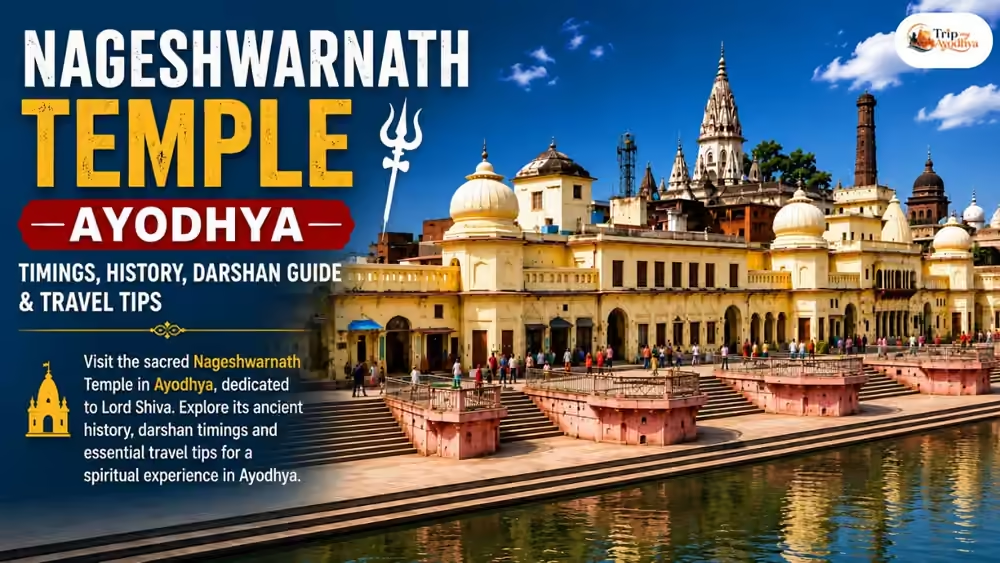
Ayodhya remains the place most identified with Lord Rama. But, spiritually speaking, Ayodhya goes far beyond the Ram Janmabhoomi site, to the extent that it deserves a much longer spiritual pilgrimage route that would cover the whole city. Close to Ram Ki Paidi there is Nageshwarnath Temple which is a significant Shiva's shrine and also a legend from the same story of Lord Ayodhya. If you are an Ayodhya tourist and you want to know about the timing and location of Nageshwarnath Temple as well as its history, religious significance, darshan experience, and also how to make the plan with sightseeing, this guide will help you have the required practical details before the visit.
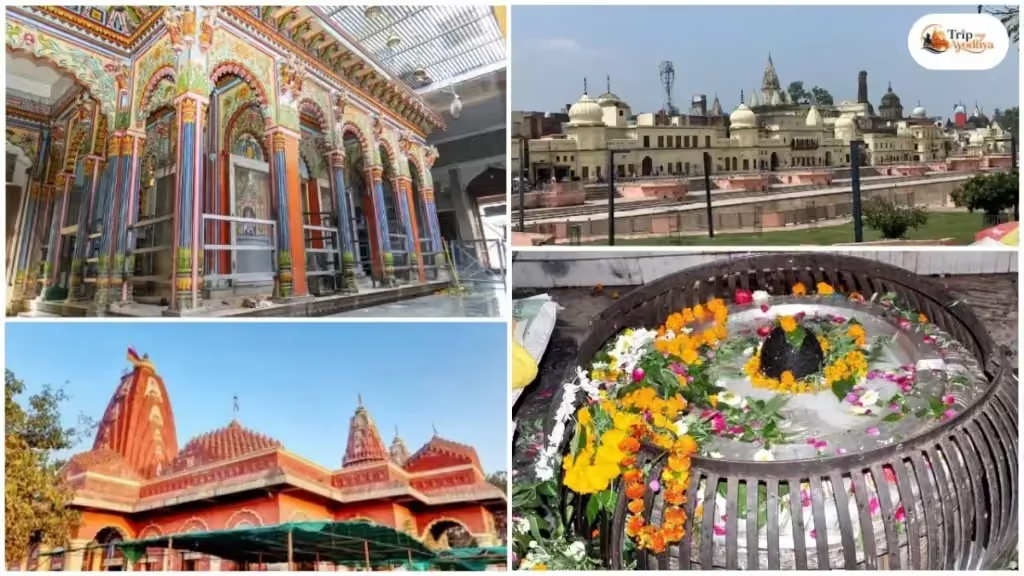
According to temple history, the Kush son of Rama is connected with this temple. But nowadays, this temple is associated with the 1750 reconstruction by minister Naval Rai of Safdar Jung. During Maha Shivratri, this place attains immense importance and becomes very crowded. Temple rituals and festivals will change accessibility conditions so we suggest that you get local information on the morning of your visit.
Quick answer: The published regular opening hours for Nageshwarnath Temple are 5:00 AM to 8:00 PM. However, temple rituals and festival arrangements can affect access, so checking locally on the day of your visit is sensible.
Nageshwarnath Temple: Quick Overview
| Detail | Information |
| Temple | Nageshwarnath Temple |
| Location | Ram Ki Paidi, Ayodhya, Uttar Pradesh |
| Main deity | Lord Shiva |
| Regular published timings | 5:00 AM – 8:00 PM |
| Entry | Generally free |
| Major festival | Maha Shivratri |
| Nearby attraction | Ram Ki Paidi and Sarayu River |
| Suggested visit duration | Around 30–60 minutes |
| Best approach | Combine with nearby Ayodhya temples and ghats |
On the Uttar Pradesh Government's Website about Ayodhya district temple has been put a Ramki Paidi location as a religious tourist attraction.
What Makes Nageshwarnath Temple Special?
A visit to Nageshwarnath Temple is far more than a simple sightseeing venture. What matters most is that this temple is an amalgamation of several factors: the Shaiva tradition, Ayodhya's Ramayana heritage, a local story, and the location on the river Sarayu. The deity, a manifestation of Lord Shiva through Nageshwarnath form, is the main feature of this shrine. The temple is the main religious attraction of the area. Lord Shiva is worshipped here as Nageshwarnath.
The term 'Nageshwarnath' is most often connected with Shiva as the god of serpents and snakes. Visitors who have started their pilgrimage in Ayodhya would find this Shiva shrine a significant spiritual change of experience. It not only focuses on the Ramayana tradition but also adds a prominent aspect of visiting Shiva's shrine to a religious tour.
The legend of Kush and the Nag Kanya
In a traditional story the Ayodhya local administration records that Kush, who is the son of Lord Rama, was once bathing on the Sarayu River, when he lost his bangle. Then along came a Nag Kanya, a female serpent, who found the missing jewelry and returned it to Kush.
This particular Nag Kanya, in fact, was the great devotee of Lord Shiva. So, to thank her, Kush is believed to be, on one hand, erected a temple for Shiva, thereby creating the foundation of the Nageshwarnath Temple. However, such an account of the origin story of the temple should be, at all times, be taken more as a traditional religious narrative than an independent historical event. That is actually a great point for people who are interested in history but at the same time they also have a deep devotion to faith.
The present temple
Currently this temple building is not necessarily the actual building that existed anciently. As per Official Ayodhya district tourism page it says that the original temple was in such good condition when King Vikramaditya was around while it was the present temple that was built in 1750 by Naval Rai, who has been an important figure in the administration as a minister of Safdar Jung. Such a rich history with various layers is one good factor why even visitors coming for Ramayana heritage are highly suggested to take a few minutes of their time and see the temple.
Nageshwarnath Temple Timings and Best Time for Darshan
Visitors usually ask What are the opening and closing times for the Nageshwarnath Temple? The main tourism page that promotes Incredible India mentions that the temple is accessible to visitors starting from 5:30 a.m. till 8:30 evening.
Nageshwarnath Temple timings
Regular schedule hours: 5:30 a.m. to 8:00 in the evenings. A few of the sources of travel-related data give extra ritual timing details including morning and evening aarti schedules, yet these details vary too much among various sources so that it is not wise to depend upon a web aarti schedule as a reliable source.
The daily routine of a temple can get disturbed by following occasions:
- Maha Shivratri
- Shravan period and religious rituals
- Pradosh and other religious functions of Hinduism
- Special or big pujas
- Big religious parades
- Local administrative plans
If the principal motivation behind your visit is for a certain aarti or puja, you would advise double-checking it with the local people rather than relying solely on an outdated online timetable.
What is the best time to visit?
As a rule of thumb, going in the first hours of morning usually offers visitors a peaceful and relaxed experience. Besides the early opening, one should not waste the entire day for an Ayodhya visit but rather be able to cover the major sights. Another way is to go during the evening or before the night. In doing so, you might already be close to Ram KI Paidi and Sarayu Waterfront areas. During major festival periods, the temple crowd can be very different so the administration is expecting.
1 Day Ayodhya Itinerary: Best Places to Visit in One Day
If you have only one day in Ayodhya, you can still cover the city's major spiritual attractions with a well-planned route. The key is to start early and group nearby places together rather than travelling back and forth.
Morning: Ram Janmabhoomi + Hanuman Garhi
5:30–6:00 AM – Arrive in Ayodhya / Breakfast
- Start your day early, especially if you want to visit the major temples before crowds become heavy.
6:00–8:30 AM – Shri Ram Janmabhoomi Temple
- Begin with Ram Janmabhoomi. Keep enough time for security checks, walking and darshan. Follow the temple's current entry and security instructions.
8:45–9:45 AM – Hanuman Garhi
- Head to Hanuman Garhi after Ram Janmabhoomi. This famous temple dedicated to Lord Hanuman is traditionally visited before seeking blessings at several other important Ayodhya shrines.
10:00–10:45 AM – Kanak Bhawan
- Continue to Kanak Bhawan, one of Ayodhya's most beautiful traditional temples associated with Lord Rama and Mata Sita.
Late Morning: Nageshwarnath Temple + Local Ayodhya
11:00–11:45 AM – Nageshwarnath Temple
- Visit Nageshwarnath Temple, located near Ram Ki Paidi. The temple is dedicated to Lord Shiva and is traditionally associated with Kush, the son of Lord Rama.
- The commonly published regular timing is 5:00 AM to 8:00 PM, although festival and ritual schedules can vary.
11:45 AM–12:30 PM – Ram Ki Paidi
- Walk around Ram Ki Paidi and spend some peaceful time near the Sarayu River.
12:30–1:30 PM – Lunch
- Take a proper break before continuing your afternoon sightseeing.
Afternoon: Sarayu River + Ayodhya Sightseeing
2:00–3:00 PM – Sarayu River / Ram Ki Paidi
- Return to the riverfront if you prefer a slower afternoon. This is also an enjoyable time to explore the surrounding area and take photographs where permitted.
3:00–4:30 PM – Explore Nearby Temples
Use this time for any nearby temple or attraction you missed in the morning. Avoid adding too many distant attractions because traffic, walking and temple queues can easily consume your available time.
Evening: Saryu Aarti
5:00–6:00 PM – Relax Around the Ghats
- Move towards the Sarayu ghats and find a suitable place before the evening activities become busy.
6:00–7:00 PM – Saryu Aarti
- End your one-day Ayodhya itinerary with the Sarayu Aarti. The exact schedule can vary, particularly around seasonal and festival periods, so check the day's local timing.
7:00 PM onwards – Dinner / Departure
- After the aarti, have dinner and either stay overnight in Ayodhya or proceed to your next destination.
Book Your Nageshwarnath Temple Ayodhya with Trip My Ayodhya
Plan and enjoy a spiritually enriching travel experience in a very convenient way through the expert assistance of Trip My Ayodhya. Being a reliable and trusted company for pilgrimage tour management, we ensure your tours from a temple to a temple go like a dream. We have customized tours and comfortable transport. You need not only get the spiritual darshan but also have an enjoyable time in visiting local tourist spots while you are there. With our services, you will not have hotel booking or travel planning worries, as everything is already well arranged by us.
Visit Ayodhya, Varanasi, Ayodhya, and Varanasi with a peace of mind as we handle things on our end so that you can devote your time and energy solely to experiencing a spiritual and religious trip. Select our package as the best of all your options if you want a hassle-free, pleasant, and unforgettable travel venture to the most holy places in India.
Bookings with Trip My Ayodhya What You Gain
- Customized Tours We make the itineraries according to how the customer needs time and expenditure-wise
- Travel in Comfort Our vehicles are kept in a good condition and the drivers are experienced
- Celebrating Priority Darshan You will be able to save the time at temple visits if we handle temple visits well
- Local Experts The tour is explained in detail with spiritual knowledge by an expert guide
- Lower Cost There is a combination of many services with competitive price and no hidden fees
- Available Anytime Service Customer support team will give you help for the rest of your adventure
- Integrated Services All the necessary services like stay, transport, and sightseeing have to only be asked for once
Also BOOK: Same Day Ayodhya Tour Package – Itinerary – Explore the top temples and spiritual attractions of Ayodhya in one day with a well-planned sightseeing itinerary.
Plan your upcoming trip with us and experience a divine journey like never before!
📞 Call Us: +91 7078723132 | +91 9557104160
📲 WhatsApp Us: +91 7078723132 | +91 9557104160
🌐 Visit Our Website: Trip My Ayodhya | Trip My Ayodhya
🔗Explore all our packages here 👉 Trip My Ayodhya Packages
🔗 Read Our Blogs for Travel Inspiration: Trip My Ayodhya Blog's
One-Day Ayodhya Itinerary at a Glance
Ram Janmabhoomi → Hanuman Garhi → Kanak Bhawana → Nageshwarnath Temple → Ram ki Paidi → Sarayu River → Dussehra evening Darshan by River Sarju.
Best tip for a 1-day Ayodhya trip
You do not need to go to all the temples around the city. Visit Ramjanmbhoomi, Hanuman Garhi, Kanak Bhawana, Nageshwarnath Temple, Ramki Paidi and Darshan by the River Sarayu during the night at the temple of the river to have a good one-day trip experience.
This is quite a different itinerary if you are planning to have a combination of Ayodhya + Prayagraj in a single day and that necessitates an extra early start up.
How to Reach Nageshwarnath Temple Ayodhya
Ayodhya is the pilgrimage center, the city of Ram, and Nageshwarnath Temple located in the core zone of holy pilgrimage. The question of travelling to Ayodhya itself is bigger, while the final local journey becomes comparatively easy.
By train
- Ayodhya, the city of Ram, is connected by train to several major Indian stations. The website of Ayodhya local board says Ayodhya is one of the important railway stations of the district that serve its people. Suppose you are going to be arriving at the Railway station. In that case, it is advised that the time you plan to get out with your luggage should include extra for local transportation.
- The railway lines running past this region connect the temple city with major Indian cities by train. Ayodhya Railway Station and Faizabad Railway Station are the two main railway stations serving the area.
- During the peak pilgrimage days, a few pilgrims may be allowed to travel on private transport and the remaining by government buses at no cost. You can reach the Nageshwarnath Temple quite comfortably by these modes of transport too.
Plan: Do not be tight with the time for your train connection. Because the part of the railway network where there are many pilgrimage trains to different destinations, the last piece of the journey may be longer than usual.
By road
- Pilgrimage to religious shrines like Ayodhya, one-day tour Ayodhya, or Ayodhya 1 day tour package would mean reaching the city by road via the network of motorable lanes of Lucknow, Prayagraj, Varanasi, Gorakhpur, and such cities. According to the district administration, a combination of roadways and bus services is a significant mode by which one can reach or even move into various parts of a city like Ayodhya.
- If you hire a Private Taxi, then it would be really helpful that the vehicle driver be given directions as Nageshwarnath Temple which is near the area of Ramki Paidi. Do not just tell 'Nageshwar Temple, ' to reach there because several temples dedicated to Lord Shiv in India would also be named 'Nageshwar.'
By air
- The city is served by Maharshi Valmiki International Airport for the pilgrims flying to reach Ayodhya. If you travel further up to the temples of Ayodhya after coming from a farther destination by bus and/or flight, then the most logical choice could be Lucknow Airport.
- The travel website of Incredible India mentions the airports as one of the main options besides buses or trains to reach the temple of Ram in Ayodhya. You may go directly after the flight landing at either of the two airports or hire an automobile (cab) or an autorickshaw to get you to the final destination depending on the current traffic regulation.
Nageshwarnath Temple Darshan: What to Know Before You Go
A trip to a temple usually is an easy matter but doing a few trivial things can make the visit more enjoyable.
1. Dress respectfully
Choose a set of clothing that is light, non-revealing and suitable to wear in a sacred place. Indian-style dress, for an example, is what many people tend to wear. Yet, one thing primarily to make sure is that the attire is respectful. Comfortable shoes are also a plus as visiting Ayodhya would generally involve a fair amount of walking.
2. Keep your belongings minimal
While visiting the temple it is advised not to carry unnecessary goods, big bags, or fancy accessories. The rules about phones, pictures taking and other items are different on each shrine and even the security conditions can change these rules so you best take your hints from the temple staff and not from outdated articles on the web.
3. Allow more time during festivals
Generally, visiting the temple during a normal day would not really be a problem for your sightseeing plans. However, if you are coming over for Maha Shivaratri you are going to meet a lot of devotees. The district website officially informs that thousands of followers come during this festival time and a major Shiva Barat procession is connected with the celebrations.
4. Don't rush the visit
In case you have had a long journey to get to Ayodhya, it will not be very rewarding if you quickly rush through the temple and then head to the next sight. Instead, do not hurry and take time to get the feel of Nandan Van and Sarayu near Nageshwarnath Temple as well.
Nageshwarnath Temple During Maha Shivratri
To know what the inner working of Nageshwarnath is like, come in when the place is at its most crowded time which is Maha Shivratri. The Ayodhya district administration mentions that Shivaratri will have a very significant celebration at Nageshwarnath so that the Shiv Barat procession will have a key role. Incredible India tourist guide also points out that this will be a very active time of worship at the temple when thousands of devotees arrive and the Shiva Barat procession is taken up to the temple.
Is Maha Shivratri the best time to visit?
Well, in the end this is very much a personal choice depending upon your priorities.
Choose Maha Shivratri if:
- You would like to get the full festival effect.
- You are very interested in Shiva worship rituals and processions.
- It is all right if you face lots of people.
- You can easily change your plans if needed.
Choose an ordinary weekday if:
- You would prefer a quiet darshan.
- Your parents are older.
- Time is scarce.
- It is better not to be in a crowd to look around Ayodhya.
In any case, it is usually easier during a normal day for a new visitor who is mostly here to see the sights and get some peace away from crowds.
Nearby Places to Visit
- Ram Ki Paidi, just next to Nageshwarnath Temple, Ram Ki Paidi consists of a series of ghats along the Sarayu River. It is among the most accessible spots to visit right after a temple darshan.
- Saryu Ghat, you can have some peaceful time sitting by the Sarayu. If your schedule allows, you may take it back in the evening for the riverfront atmosphere and aarti.
- Kanak Bhawan is a famous temple dedicated to Lord Rama and Devi Sita. According to the Uttar Pradesh government's Ayodhya tourism site Kanak Bhawan should be mentioned as one of the city's most important historic and religious temples.
- The temple of Hanuman Garhi Hanuman, is one of the most important Hanuman temples in Ayodhya and a natural extension of the central Ayodhya temple circuit.
- Dashrath Mahal Ayodhya, Dashrath Mahal Ayodhya is a traditional religious site in the central Ayodhya area and is also a place one must go to when exploring the surrounding temples.
- Ram Birthplace Temple, it is one of the most important temples to visit in Ayodhya, and the major site of pilgrimage. Visitors should allow enough time for security clearance, walking, and for arrangements of darshan.
- Vein Statue, Vein Statue is at Naya Ghat/Ram Katha Park area which is not far from Nageshwarnath Temple and is a place to take a short break if you want the possibility of getting photos after visiting the Sarayu riverfront.
Final Thoughts: Nageshwarnath Temple Ayodhya
Definitely, if you are looking forward to a more profound experience of Ayodhya which takes you away from the most commercially hyped sights. The old religious tradition merged with a local legend as the temple's foundation stone is associated with a snake girl who was devoted to Shiva, the temple has also been beautifully reconstructed and it is easily accessible near Ram Ki Paidi. The local government considers it as a religious place while on the official tourism portal of the country Nageshwarnath is one of the highlighted temples in Ayodhya
If you are a visitor of limited time or just a casual one the simplest thing to do will be to come early in the day to the site; then, you can add it to Ram Ki Padi and nearby attractions and allow some time, for instance, for the people gathering and religious ceremonies. If you plan to stay only for a day in the city after visiting Ram ki Padi area, I suggest that you first read about the places one must not miss, your itinerary for one's day in Ayodhya
📞 Call Us: +91 7078723132 | +91 9557104160
📲 WhatsApp Us: +91 7078723132 | +91 9557104160