
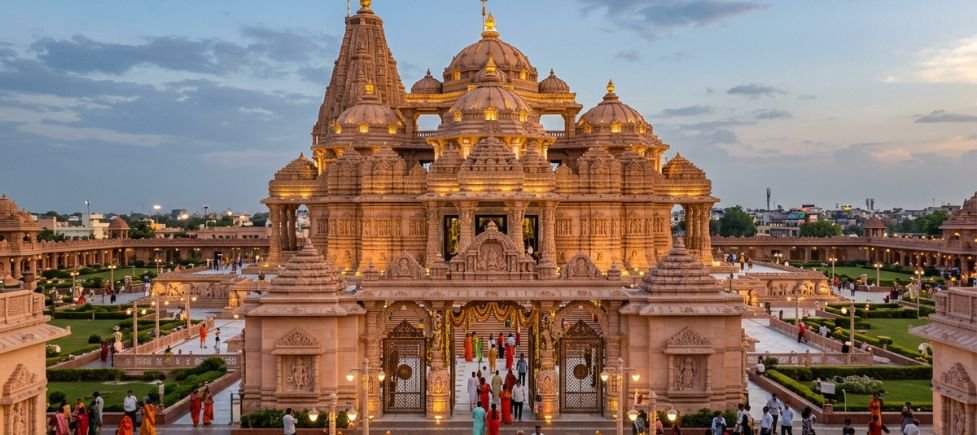



Ayodhya is one of the places with the highest footfall as a holy place in India, being revered as Ram Janm Bhoomi. Dashrath Mahal and the Ram Mandir are two of the most sacred places in all cities. Do you know thousands of devotees visiting Ayodhya use to search for authentic information regarding Dashrath Mahal Ayodhya, the distance from Ram Mandir, keyword traveling route by walk and other must-visit sightseeing points in the area?
Here is everything you should know as visitors to Ayodhya: an exhaustive guide on how to travel between Dashrath Mahal and Ram Mandir through the religious core of the city.
Dashrath Mahal Ayodhya to Ram Mandir distance
You will be able to reach in (800 m) from the Dashrath Mahal building, built inside the Ayodhya area on the route to Ram Mandir (depends upon the road taken).
The majority of pilgrims walk because the route goes through overpopulated religious streets in Ayodhya. The journey typically takes:
- Walking Time: 15–25 minutes
- Auto Rickshaw: 5–10 minutes
- E-Rickshaw: 5–10 minutes
Due to the short distance, it is easy for devotees who can travel to both sacred sites in a single day.
Where is Dashrath Mahal Located?
Dashrath Mahal, There is the Dashrath Mahal located inside a historical and religious part of Ayodhya near Ramkot, one of the oldest regions in Janakpur Nagar It has great spiritual significance.
Hindu tradition claims that Dashrath Mahal is the royal palace of King Dashrath, father of Lord Ram. The palace is an etching of the old, rundown place when Lord Ram was little
Today, Dashrath Mahal is a colourful religious site with bright paintings on the walls or gates, loud devotional music and gatherings happening all year round.
Where is Dashrath Mahal Located?
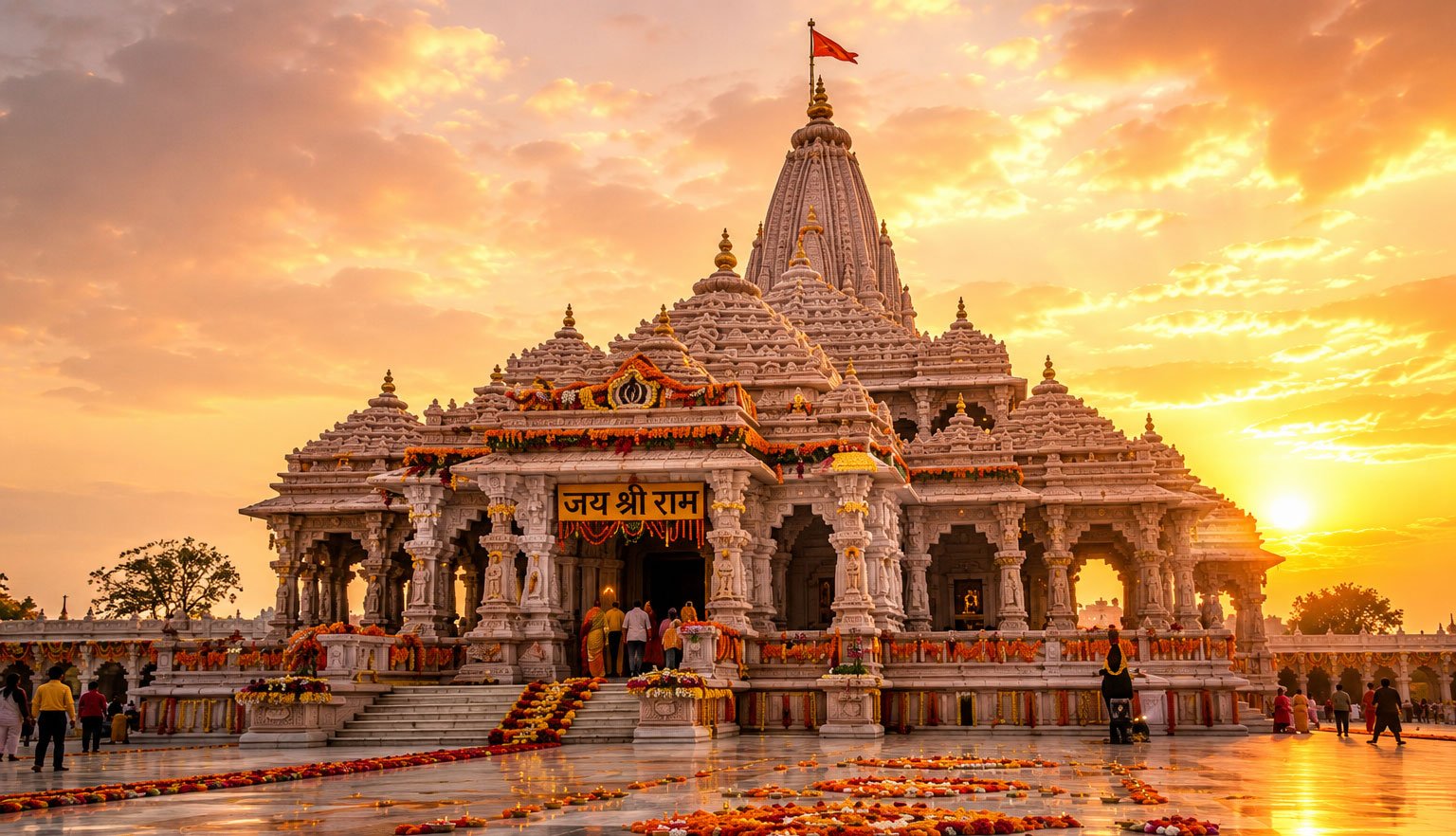
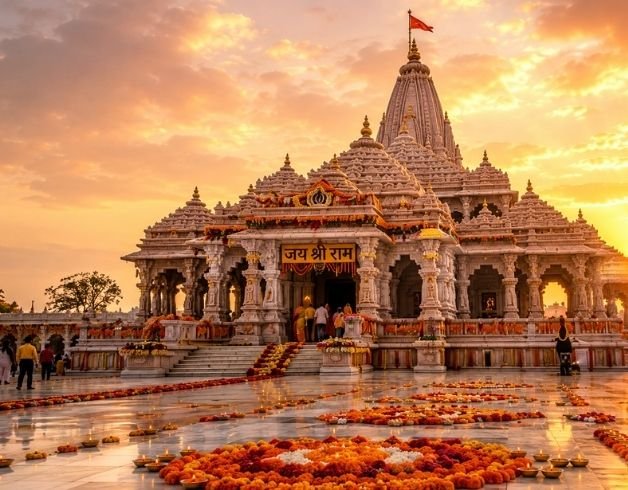
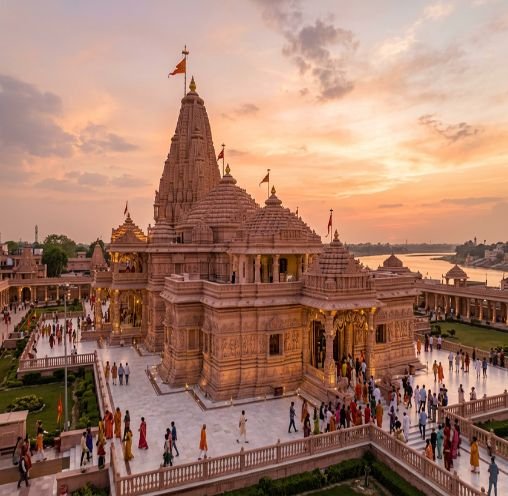
Imagine the grand depiction of Ram Mandir at site (place where Lord Ram was born). The temple is one of the largest religious projects in modern India and receives millions of worshippers each year.
Situated inside the Ram Janmabhoomi complex, it is connected with good roads with footpaths and street walking from Dashrath Mahal.
Their proximity allows pilgrims to comfortably visit both during their Ram Janmabhoomi-Ayodhya pilgrimage.
Location of Ram Mandir in Ayodhya
It is not difficult for the visitors to follow a simple route that connects all these main attractions.
Walking Route
The best way remains to walk through the busy lanes in Ayodhya.
Route Overview:
- Start from Dashrath Mahal.
- Proceed through the Ramkot area.
- Follow designated pedestrian pathways.
- Arrive at the Ram Mandir complex entrance.
The route is lined with:
- Religious shops
- Prasad vendors
- Souvenir stores
- Temples and shrines
- Traditional sweet shops
The walk allows pilgrims to experience Ayodhya, the atmosphere of devotional Yagya, giving a highly spiritual experience.
E-Rickshaw Route
Exclusive e-rickshaws outside Dashrath Mahal for elderly visitors or families with children.
Benefits include:
- Affordable fares
- Comfortable travel
- Quick access
- Suitable for senior citizens
Generally speaking, the travel time is less than ten minutes.
Why Pilgrims Visit Dashrath Mahal Before Ram Mandir
Most of the devotees take a halt at Dashrath Mahal, then move on to Ram Mandir.
It is in his tradition to pay homage to the royal family of ‘Ayodhya’ before worshipping Lord Ram.
The following is a basic sequence of pilgrimage performed by pilgrims:
- Visit Dashrath Mahal.
- Please pray to King Dashrath and the royal family.
- Explore surrounding temples.
- Proceed to Ram Mandir.
- Attend aarti and darshan.
This pilgrimage route is increasingly in demand due to an increasing number of visitors looking for a closer link with the mammoth sacred past of Ayodhya.
Historical Importance of Dashrath Mahal
Dashrath Mahal has a special place in Hindu custom.
The palace is associated with:
- King Dashrath
- Queen Kaushalya
- Bharat
- Lakshman
- Shatrughna
- Lord Ram
The complex is a memorial to some of what the house represented, such as:
- Dharma
- Truthfulness
- Sacrifice
- Duty
- Devotion
The palace architecture, impressive devotional artwork of the artists and prayers done throughout the day are subjects for visitors to marvel at.
Architectural Highlights of Dashrath Mahal
It is famous for its colourful identity and elaborate designs of the palace.
Key features include:
Colourful Entrance Gates
At the entrance arch are bright colours and traditional motifs like those seen in ancient Indian architecture, which welcome devotees.
Decorative Courtyards
Leisure courtyards provide space for prayer, meditation and religious meetings.
Sacred Idols
The palace contains many idols of Lord Ram and royal family members for veneration.
Spiritual Atmosphere
The constant singing of Bhajan makes the surroundings relaxing, and pilgrims flock from all over India, as well as across seven seas.
Architectural Grandeur of Ram Mandir
Within walking distance from Dashrath Mahal, tourists reach one of the world’s largest Hindu temples.
Notable features include:
Traditional Nagara Architecture
It is built in the ancient Nagara style of temple construction with soaring shikharas and intricate carvings.
Sandstone Construction
The temple is constructed with solid sandstone, which imparts strength and a magnificent appearance.
Intricate Sculptures
It contains thousands of sculptures illustrating the Ramayana and many parts of Hindu spirituality.
Spacious Temple Complex
The vast campus is designed to accommodate pilgrim crowds, yet also provides a tranquil atmosphere.
Important Tips for Visiting Dashrath Mahal Ayodhya to Ram Mandir distance
Here are some recommendations from our side so that the pilgrimage goes without any hitches.
Visit Early Morning
Morning hours provide:
- Shorter queues
- Pleasant weather
- Better photography opportunities
- Peaceful darshan experience
Wear Modest Clothing
Wearing respectful clothing when visiting religious sites.
Carry Identification
Security needs you to have identification.
Follow Temple Guidelines
All temple rules for items not allowed and photography restrictions should be followed by visitors.
Stay Hydrated
So, one could imagine that Ayodhya is not at all cool and breezy during the summer months.
Nearby Attractions Between Dashrath Mahal Ayodhya to Ram Mandir distance
The distance between these places is relatively short, giving visitors the option to visit a number of important locations.
Hanuman Garhi: One of the most reputed temples in Ayodhya is dedicated to Lord Hanuman.
Kanak Bhawan: It also has a mesmerising temple related to God Ram and Goddess Sita.
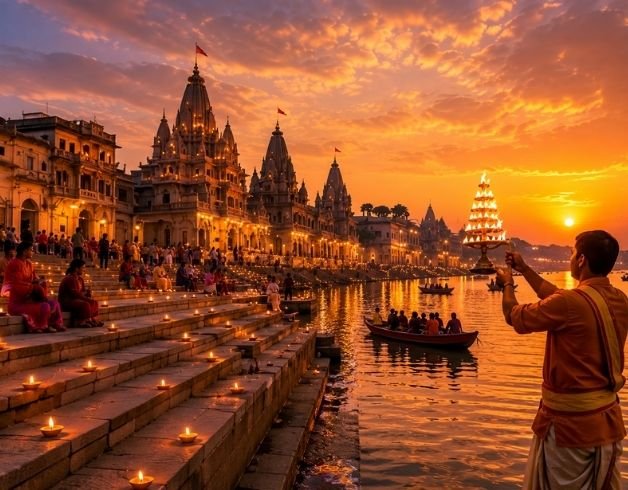
Saryu River Ghats: Bathing, offering peace of mind and fantastic scenery.
Nageshwarnath Temple: If you are a believer of Lord Shiva, it is one of the ancient temples with historical significance.
Best Time to Visit Dashrath Mahal Ayodhya to Ram Mandir distance
Ayodhya receives pilgrims all year round, but some times of the season are better than others.
October to March
This period provides:
- Comfortable temperatures
- Pleasant sightseeing conditions
- Major religious celebrations
Ram Navami Festival
The spiritual energy in the city is extraordinary during Ram Navami when thousands of devotees from within the country and beyond.
Diwali Celebrations
In Ayodhya, the Deepotsav celebrations turn on all lights and devotional feasts.
Facilities Available for Pilgrims
The process of pilgrimage has greatly improved thanks to the advancement in modern infrastructure.
Available facilities include:
- Parking areas
- E-rickshaw services
- Drinking water stations
- Medical assistance
- Security arrangements
- Resting areas
- Tourist information centres
These centres make it easy and comfortable for people to visit Dashrath Mahal as well as Ram Mandir.
One-Day Ayodhya Tour Itinerary
- Morning Pickup
- Depart from the Hotel / Railway Station / Airport
- Ayodhya hire a car — The comfortable car rental in Ayodhya to kick-start your divine journey
- Visit Shri Ram Janmabhoomi
- Discover the holy birthplace of Lord Ram.
- Feel the divine and spiritual energy.
- Hanuman Garhi Darshan
- Get blessings at one of the most popular temples of Lord Hanuman
- Edit: The temples are called the presiding deities of Ayodhya
- Kanak Bhawan Visit
- Go to the lovely temple of Lord Ram and Goddess Sita
- Renowned for its magnificent homes and tranquillity
- Saryu River Ghat
- Relax to the Rhythm of the Sacred River
- kill the spiritual vibes and a good, calm place
- Local Market & Temple Visit
- Local markets and prasad shops
- Explore local culture by visiting temples nearby
- Tour Ends
- Drop at a location in Ayodhya of your choice
- Conclude your pilgrimage with divine blessings and memorable experiences
Visitors can get a glimpse of the spiritual and cultural side of Ayodhya with this itinerary.
Make bookings for travel by contacting
📞 Call Us: +91 7078723132 |+91 9557104160
📲 WhatsApp Us: +91 7078723132 |+91 9557104160
🌐 Visit Our Website: Trip My Ayodhya | Trip My Ayodhya
🔗Explore all our packages here 👉 View All Packages
🔗 Read Our Blogs for Travel Inspiration: Trip to Ayodhya blog
How Long Should You Spend at Each Site?
Recommended duration:
| Attraction | Suggested Time |
| Dashrath Mahal | 30–60 Minutes |
| Ram Mandir | 1–2 Hours |
| Nearby Attractions | 2–4 Hours |
A daylong itinerary gives pilgrims a sense of the depth Ayodhya offers both religiously and culturally.
Conclusion: Dashrath Mahal Ayodhya to Ram Mandir distance
Dashrath Mahal Ayodhya to Ram Mandir Distance: 1-1.5 km, this is one of the easiest and most spiritually rewarding pilgrimages in all of Ayodhya! Whether traversing the hallowed streets on foot or utilising public transportation, devotees travel between each of these holy sites in mere minutes.
This takes you on a pilgrimage that helps to recreate the significance of visiting Ram Mandir in light of Lord Ram’s royal legacy, with your visit before Dashrath Mahal. Adding to that, proximity to other temples, cultural places and the heavenly environment of Ayodhya is what makes this short time travel memorable for each pilgrim here.
Frequently Asked Questions (FAQs): Dashrath Mahal Ayodhya to Ram Mandir distance
1. What is the distance between Dashrath Mahal and Ram Mandir in Ayodhya?
The distance between Dashrath Mahal and Ram Mandir varies from 800 m, depending on the road taken. It is within walking distance of 15–25 minutes by taxi or car to the temple for most visitors.
2. How long does it take to walk from Dashrath Mahal to Ram Mandir?
To walk from Dashrath Mahal to Ram Mandir takes between 15 and 25 minutes. With the journey taking one through historic and religious streets of Ayodhya, it is a pleasant spiritual experience.
3. Is transportation available from Dashrath Mahal to Ram Mandir?
Yes. Visitors can take one of the e-rickshaws, auto-rickshaws or local transport services between Dashrath Mahal and Ram Mandir. Usually this takes 5-10 minutes.
4. Can I visit Dashrath Mahal and Ram Mandir on the same day?
Yes. Since the two sites are very close to each other, pilgrims can easily visit both attractions on one day in combination with also visiting further nearby temples.
5. Why is Dashrath Mahal important in Ayodhya?
Dashrath Mahal: It is said to be the palace of King Dashrath, who was the father of Lord Ram. This is a major religious site, representing the royal heritage of Ayodhya.
6. What is the best time to visit Dashrath Mahal and Ram Mandir?
The prime time to visit is from October to March, as the weather remains pleasant. In fact, early morning hours are the best time to get a peaceful darshan with shorter queues.
7. Is there an entry fee for Dashrath Mahal?
Is there an entry fee for Dashrath Mahal? However, visitors can opt to contribute voluntarily to the upkeep and religious activities of temples.
8. What are the major attractions near Dashrath Mahal and Ram Mandir?
Other than this, you can visit Hanuman Garhi, Kanak Bhawan, Nageshwarnath Temple and Saryu River Ghats | Ram Ki Paidi.
9. Are senior citizens able to travel easily between Dashrath Mahal and Ram Mandir?
Yes. Gurugram: Since it is only around 1-2 km away, travel remains convenient for senior citizens & tourists with restricted mobility as numerous e-rickshaws are found near the arrival gate.
10. Which route is best from Dashrath Mahal to Ram Mandir?
The ideal path is the pedestrian route via Ramkot region, in which pilgrims obtain a flavour of Ayodhya’s sacred ambience and exposure to neighbourhood markets at some point during their travels up temple-lined streets.