

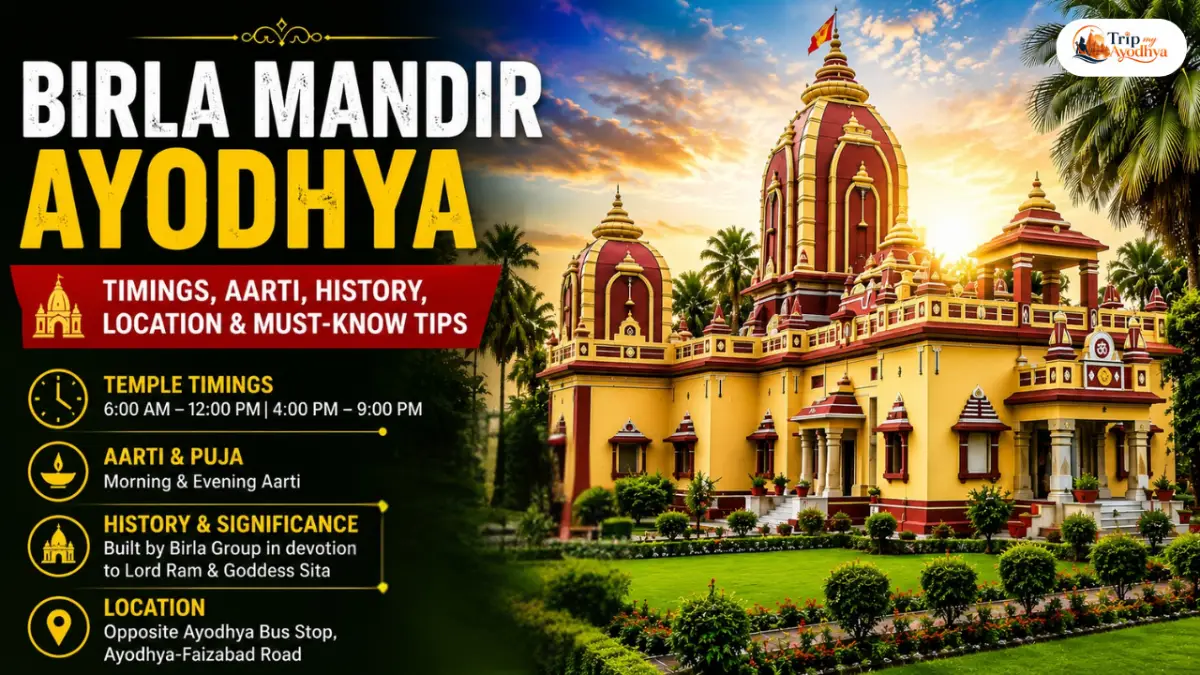
If you are seeking the spiritual aspect of Ayodhya, Birla Mandir Ayodhya is one of those serene temples that you can include in your tour. This also goes as Shri Ram Janaki Birla Temple, and the temple here is dedicated to Lord Ram and Devi Sita, besides being located on the Ayodhya-Faizabad Road just opposite the Ayodhya Bus Stop
The District Ayodhya administration has included this place on its tourist attractions list. Birla Mandir Ayodhya does not have the same crowd of pilgrimage spots like in Ayodhya that you normally find, but it gives you a chance to enjoy its marble work, carvings, gardens, and the whole devotional atmosphere
Not only do the devotional visitors get their quota, but architecture lovers also get theirs, too, since the Birla Mandir combines classical Hindu temple features with more recent presentation elements Birla Mandir can seamlessly be integrated into your tour whether you have come here for Ram Mandir Darsh, a family pilgrimage, or an elongated Uttar Pradesh tour.
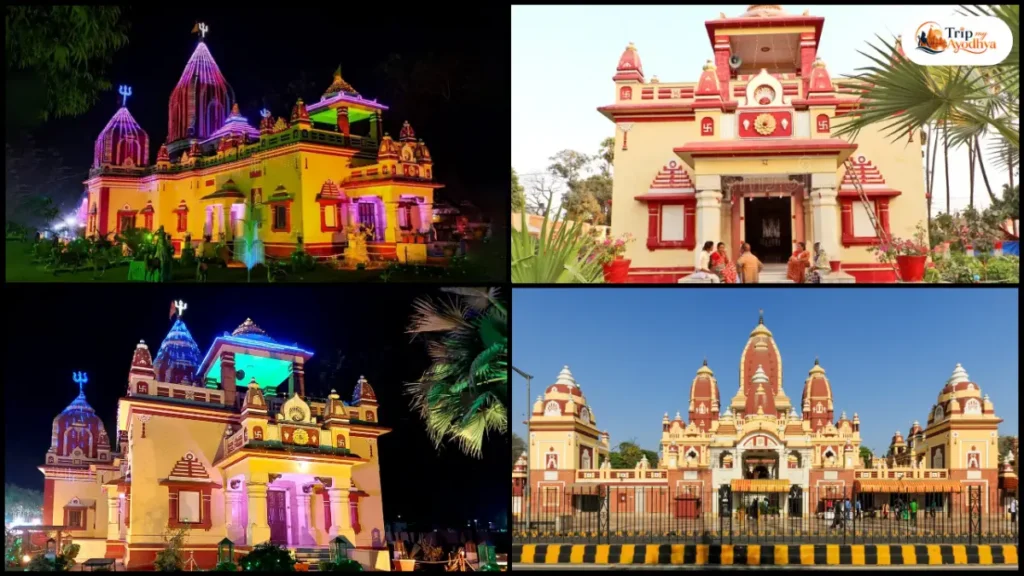
Birla Mandir Ayodhya at a Glance
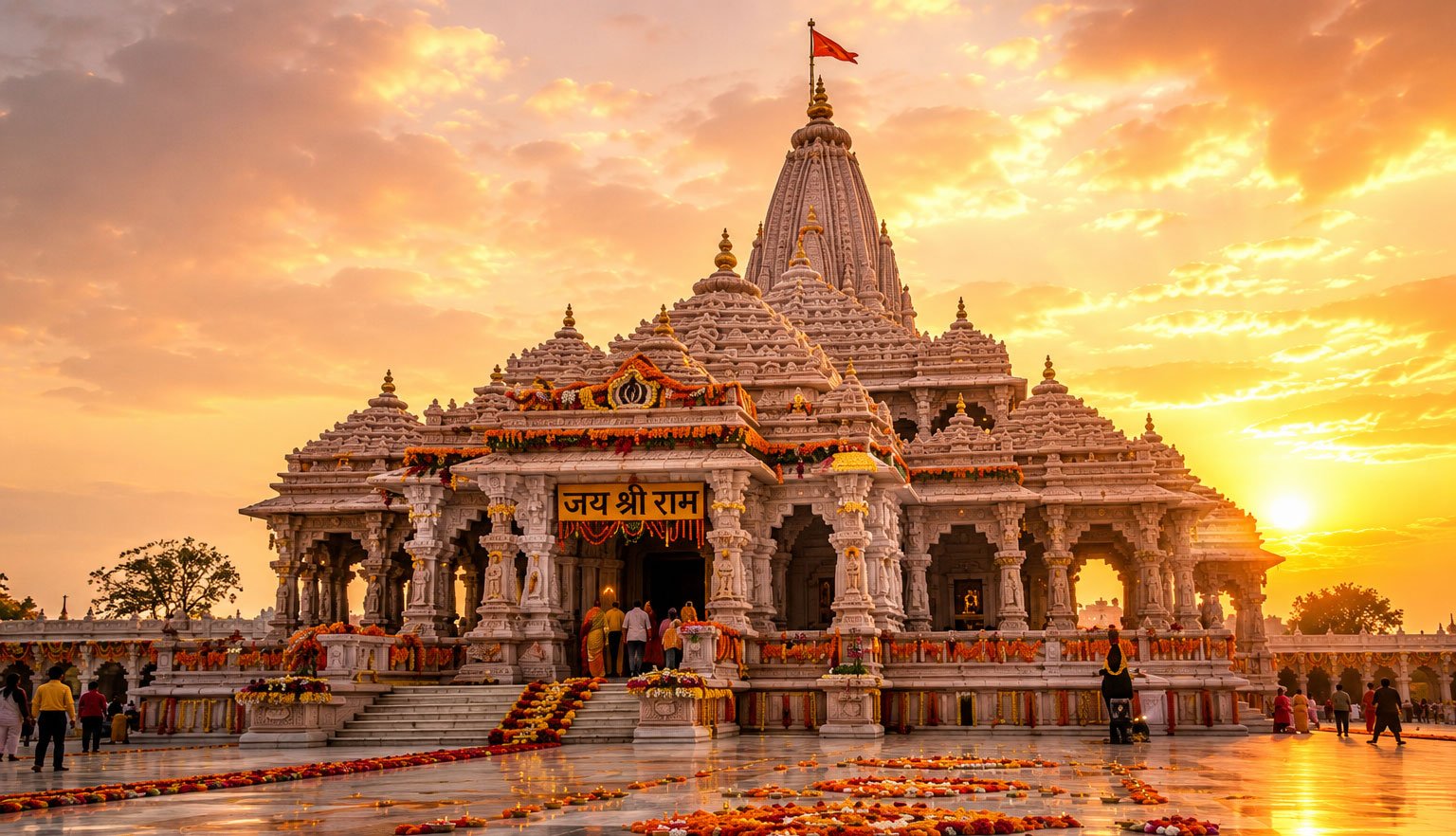
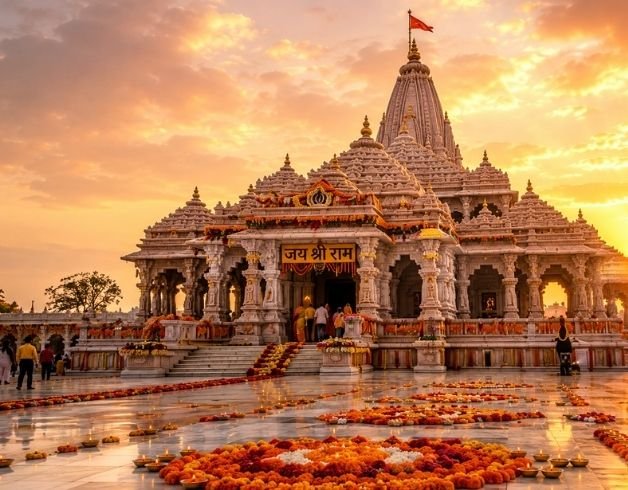
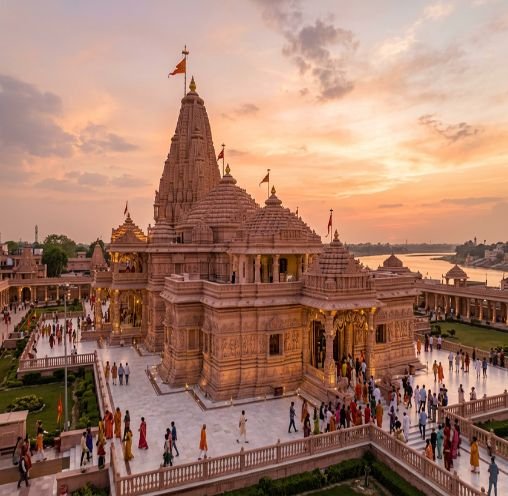
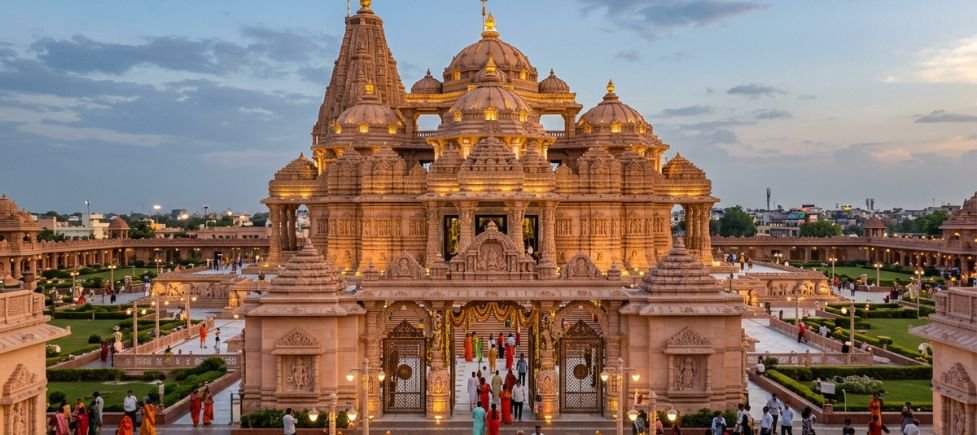
The Birla Temple of Ayodhya, known officially as Shri Ram Janaki Birla Temple, is a modern day temple devoted mainly to Lord Ram along with the Goddess Sita. It can be found facing the Ayodhya Bus Stop at the Ayodhya-Faizabad Road. One special point of this temple is that it looks quite white and this comes along with highly detailed carvings, green lawns or gardens and carriages that resemble temple gates.
Incredible India says that the property has about 2.5 acres of ground area and that this area reflects the fusion of the typical and modern styles of architectural features.
Quick Facts
- Temple Name: Shri Ram Janaki Birla Temple
- Popular Name: Birla Mandir Ayodhya
- Location: Ayodhya-Faizabad route, opposite Ayodhya Bus Stop
- Main Deities: Lord Ram and Goddess Sita
- Other Deity: Lord Hanuman
- Architecture: Traditional Hindu elements combined with modern design
- Main Material: White marble
- Complex: Approximately 2.5 acres
- Entry: Check local arrangements before visiting
- Best For: Pilgrimage, peaceful darshan, architecture and sightseeing
The official Ayodhya tourism website also includes the Birla Temple among the city’s important places of interest.
History and Significance of Birla Mandir
The Birla family played a significant role in building and endowing many remarkable Hindu temples across India. The Birla’s’ devotion to Lord Ram and Goddess Sita is reflected in their connection to the Ayodhya temple. According to a popular legend from Incredible India, a wealthy businessman, Jugal Kishore Birla, had a dream where Lord Ram and Goddess Sita were encouraging him to build a temple of them. Since a dream was the inspiration for the temple, it goes beyond being just a tourist destination. To worshippers, the temple stands for faith, faithfulness and connection between Ayodhya and the life story of Lord Ram.
Why Is Birla Mandir Called Ram Janaki Temple?
The reason Birla Mandir is called Ram Janaki is quite simple. This name is an indication of two main deity figures the temple is devoted to. Ram here represents the very popular Hindu deity Lord Rama whereas Janaki is another name of Mother Sita, from her marriage with King Janaka.
Due to this name and their combined worship in the temple, the temple is unique in its devotional characteristics as opposed to others that focus only on one deity, e.g., Ram, for instance. The fact that both are depicted here together is believed by some devotees to signify a model of devotion, fellowship and religion which has been one of the contributing reasons why it can be felt different by some people when they visit it in relation to other popular Hindu shrines located in Ayodhya.
Birla Mandir Ayodhya Timings
Visitors are very keen about knowing What time is Birla Mandir Ayodhya open. The temple hours of operation according to commonly publicized tourist materials often mention the temple as only opening up in the morning and evenings with a closed time during the mid-day hours. Temple schedule may change as well on various occasions like the festival days, the conduct of religious ceremonies and local factors. Local sources today report the regular schedule as roughly 6 am to 12 pm and 4 pm to 9 pm.
Birla Mandir Ayodhya Timings
| Session | Approximate Timing |
| Morning Darshan | 6:00 AM – 12:00 PM |
| Afternoon Break | 12:00 PM – 4:00 PM |
| Evening Darshan | 4:00 PM – 9:00 PM |
Note: These times should merely be considered an estimate and not set in stone. If you are coming for Darsana only, please do check with the local authorities the temple’s operating hours when your visit day comes, especially during major Hindu festivals.
What Is the Best Time for Darshan?
A peaceful option for going Darshana would be to do it early in the day because the air at that time is generally more pleasurable and one gets to enjoy a quiet ambience. On the other hand, the evening time is no less interesting for those who would like to see how the temple gets illuminated at night. You may prefer an evening outing if your plans also include several other Ayodhya sights, so that you can visit the other attractions first during the day and the temple in the evening.
Birla Mandir Ayodhya Location
Being centrally situated in the city, it is fairly easy to reach Birla Temple. Shri Ram Janaki Birla Mandir is the name by which District Ayodhya authorities refer to the temple at Ayodhya Bus Stop on route Ayodhya-Faizabad. The temple will be easy for you to recognize if you move around the city by car.
Highlights of the Site
- Lying on the Ayodhya-Faizabad Road
- Back of the Ayodhya Bus Stop
- It is a part of the main Ayodhya sightseeing circuit
- Together it can be grouped with temples and other important places
- It is reachable by various kinds of vehicles
Thanks to its location, the visit to the temple is very much hassle-free, one does not have to come for a full day trip. It is even better to make the tour to other places.
Architecture of Birla Mandir Ayodhya
Birla Mandir at Ayodhya is not merely one of the attractions of the town. Its architecture is one of the highlights to the beauty of the temple. The temple has been described by Incredible India as a synthesis of a traditional and a modern Hindu architectural style. With the marble of white color, intricate engravings on the walls and decorative sculpted pieces they have made a very classy building.
White Marble Construction
With white marble and a peaceful ambiance that you get, the temple looks very clean and pure. Depending on the day and the weather, the effect of sunlight changes the color shades on the marble. A feature like that would be great for someone capturing the moments of the temple.
Chariot-Shaped Design
This temple has an unconventional chariot-shaped design which differs from many traditional temple constructions. Carriage symbolism and dynamic are incorporated in the building of the temple architecture. Rather than the temple appearing like a typical rectangular building, the shape of the temple forms a visual association with the image of Hinduism.
Decorative Carvings
You can see beautiful and intricate carvings and sculptures on various parts of the temple structure. In front of the temple is the main entrance which has a big arch with carving work and images of various deities from the Hindu religion. The pillars are also adorned with lotus motifs. Imagine the exterior of the temple as a very elaborately carved storybook: the surface of the temple communicates through forms, signs, and religious figures in a visual way, just like writing in words is done through letters.
Blend of Traditional and Modern Design
This temple is the embodiment of various architectural styles. The ancient design is fused with the modern of building methods and planning landscapes. This blend is the reason Birla Mandir enjoys an exclusive identity among other religious places in the vast collection of religious spots in Ayodhya.
Deities and Religious Importance
Lord Ram and Goddess Sita are the major gods of the temple. The main idol of the temple also includes Lord Hanuman which is a symbol of strength, and there are other minor shrines devoted mainly to other deities of Hinduism.
Lord Ram and Goddess Sita
For devotees visiting Ayodhya, worshiping Ram and Sita is very special since Ayodhya is closely associated with life and tradition of Lord Ram. In this way the temple is an integral part of the pilgrimage to Ayodhya.
Lord Hanuman
Hanuman, an embodiment of strength and loyalty to Lord Rama is also worshipped here which makes it a very special religious place for the devotees.
Place of Devout Prayer
The temple along with its park and a very nice space around will be perfect for those who want to be quiet away from the busy place. For many sightseers, their visit is not merely photography or ticking off a site or place. They would rather come to the site to meditate, offer their prayers in the holy premises, and experience the spiritual atmosphere.
Gardens, Meditation Hall, and Temple Complex
Pilgrimage does not end here! There is much more to the temple area than just the main shrine. As stated by Incredible India, this 2.5-acre Birla Mandir complex will also host garden space and meditation hall apart from the small shrines and main temple.
Meditation Hall
Visitors seeking a calmer atmosphere can enjoy their peace and quiet in the meditation hall.
Temple Garden
The beautiful marble architecture contrasts with nature in the temple premises in the form of the temple garden. According to Incredible India, they have made a conscious effort to choose local native flowers and plants. The temple garden is also an eco-friendly project which includes water conservation efforts.
Evening Appearance
The view of the temple is very beautiful after sunset as the lighting emphasizes the details, architecture, and the carving of the building.
Best Time to Visit Birla Mandir
If you plan a visit to Birla Mandir, you might get completely different experiences depending on how you schedule it.
For Peaceful Darshan
In order to experience peace and coolness you can come during very early morning hours.
For Temple Photography
When you want to photograph the temple, the time window in the latter part of the day might offer you better results as the light changes bringing out the details of marble structures and carvings.
For Festivals
Festivals turn Ayodhya into a hub of activities but they may also mean larger groups of people and a variation of temple timings. So, if you happen to be in Ayodhya during the time of a festival, allocate additional time and double check the exact date and time before setting out.
For Comfortable Weather
To enjoy other attractions in Ayodhya besides the temple, the period of cooler weather can be generally more relaxing.
Birla Mandir Ayodhya Photos & Photography Rules
The white marble architecture of Birla Mandir Ayodhya can attract a photographer’s interest with its beauty. Photographs are possible to take of the temple’s carved pillars, entrance, religious sculptures, gardens, and temple in general. It is essential for the pilgrim that he/she must remember this is actually a place for worship rather than a tourist place and therefore photography is a privilege rather than a right. There may be differences in photo rules for various parts of the complex so you should always follow the local guidelines.
Best Photography Spots
Among the beautiful locations that would be ideal for photographs are:
- The main temple from the outside, you will be able to take great shots of the white-marble structure at the front.
- Temple entrance, the entrance with artistic decoration along the way will help frame your photos very well.
- Flowers and motifs on pillars are great details and you can get great photographs.
- Temple gardens, it gives a nice contrast to the white structure as a backdrop you have nature.
- Temple and surroundings as a whole, one wide shot can show how the temple connects with the surrounding area.
- At nighttime outside the temple, a few pictures taken of the illuminated temple during the day could result in different effects.
Is Photography Allowed Inside Birla Mandir?
Photo taking permissions vary between the outer and prayer/interior parts of the place of worship. Visitors should not think of cameras or phones that take photos can be taken anywhere. Always abide by the photography rules provided by the temple administration and never photograph a praying devotee without taking his/ her consent.
Best Time for Exterior Photography
Morning hours are good for photographing temple buildings as midday can be bright and may wash out details. For a more dramatic photograph try photographing around sunset or early evening. Obviously, the latter option depends on the temple’s visiting hours and restrictions for photographing.
Photography Etiquette
- Do not take photos without people’s approval.
- It is not allowed to use flash when people are worshipping.
- Do not hinder the free space between gates.
- Do not bother with a devotee for taking his/her photo.
- Look attentively at signs forbidding photography.
- Silence when you are in the prayer hall.
- Do not bring a tripod if it is blocking your way.
- Obey if your photographing is being ordered to stop by the staff.
Facilities Available at Birla Mandir Ayodhya
Once you are aware of the facilities that are provided the enjoyment of a visit can be so much higher. Facilities are likely to have gone out of date. Therefore, it will be better for visitors to find out the up-to-date details upon arrival.
Parking
Visitors who travel in private cars will be able to find out about special parking arrangements from people around the temple.
Parking will be more complicated during festival seasons or pilgrimage times because of the traffic. So, for an off-day trip it will be better to use local transport and give plenty of time for walking as you go up the temple hill.
Drinking Water
It is best to carry a reusable drinking bottle especially in summer, as it would get too hot. However, if there are drinking water facilities within or around the temple, they can be freely used without the need to buy bottled drinks from the shops nearby.
Rest Areas and Seating
Places where one gets the chance to sit down in front of the temple and rest may be found at the spot or in the surrounding area. These might especially come into usefulness for:
- People who need to rest due to their age
- Parents taking very little babies or small children
- Individuals going on a trip in groups
- People making pilgrimage visits to several temples on a single day.
Washrooms
Washrooms may be available at places in the vicinity of the site; visitors cannot rely completely on the assumption that washrooms will be available directly inside or at every part of a temple complex. However, it is better to use the rest room before a longer temple tour especially if you travel with elderly or young family members.
Shoe-Keeping Facilities
Like in the majority of the Hindu temples, visitors might have put off footwear before going to a worship spot. The latest rule regarding footwear and the area of the building or temple or where a particular function may be going to be held or if you are to go into a restricted area and also any facilities provided for temporarily keeping shoes should be followed.
Meditation and Seating Areas
Meditation hall is a part of the temple which gives a quiet place for visitors who wish to have prayer or meditation time. The garden and surrounding areas will also give a better option to get a peaceful break from the hustle of Ayodhya city streets.
Accessibility for Senior Citizens
When you are with elderly people in a group make sure your timing is such that you are getting a chance to cool off your body and avoid being rushed at the same time to different temples.
Before your visit ensure the current existence of:
- Facilities that allow wheelchairs to enter into temple premises.
- Seats.
- Ramps.
- Spaces which allow vehicles to park very close to the door.
- Resting areas.
Sometimes facilities may change so it will definitely be helpful to contact locally regarding this matter.
Birla Mandir Ayodhya Aarti & Puja
Getting to know the daily routine of worship at a temple can transform your visit into a meaningful spiritual experience. Birla Mandir Ayodhya is mainly a sanctuary for devotees to offer their prayers to Lord Ram and Goddess Sita. Schedules of daily pujas and prayers vary with festivals and special occasions, among other things, at the discretion of the temple.
Morning Prayer
In the tradition of worship, morning has been looked upon as a very important part of one’s spiritual practice. During morning hours, visitors not only come across a calm and quiet atmosphere but also the ambiance is very devotional. If you wish to be a part of a specific puja or aarti ceremony, you should first check with the temple locally for the schedule of the day before you plan the rest of your visit accordingly.
Evening Prayer
The evening is yet another wonderful time for paying a visit to the temple as the environment tends to become more spiritual with each visitor coming for the evening prayers. Since festivals might cause changes to the usual puja’s schedules, it is better to get the schedule of aarti fixed directly with the temple that day.
Can Visitors Participate in Puja?
Visiting a temple is a boundless joy and there is no problem in being a visitor and offering prayers and participating in worship as per temple regulations. In case you would like to perform a special puja, contact temple officials to ask about:
- The puja services that are available
- Timing of the prayers
- Bookings, if required
- Fruit basket offerings / donation
- Cost of the puja in case the temple charges for it.
Do not go through unauthorized agents who may promise you guaranteed special darshan or arrangements.
Festival-Specific Worship
Special puja can be conducted when major Hindu religious events, such as those related to Lord Ram and Goddess Sita, are celebrated in the temple.
- Various kinds of pujas
- Decorations
- Long prayer schedule
- Special Religious ceremonies
- A few added devotional activities
It is, therefore, better to check the details of the program locally before visiting the festival.
Festivals Celebrated at Birla Mandir Ayodhya
Visiting Ayodhya for festivals can be a highly rewarding experience. Nevertheless, it is common to get trapped in very high foot traffic and road jams. Moreover, regular functions of the temple may be affected quite a bit due to such festivals.
Ram Navami
Ram Navami is considered to be Ram’s birth anniversary and hence a major festival. A Ram-Navami celebration is a very big thing in the town since it marks the day when baby Rama was born to Sita. Ayodhya usually experiences the surge of pilgrims around this time. So, if you plan to visit Birla Mandir ever on Ram Navami, you are better off getting your accommodation and transportation done in advanced mode.
Janmashtami
Janmashtami is a very special occasion for Krishna, as it is the birthday of Bhagwan Krishna. Though Krishna is not the main deity of Birla Mandir, it will definitely bring out some more devotional events on such days across temples, besides that of the temple itself, in the religious calendar which are considered to be of immense importance by Hindu people all over.
Diwali
Because of the Ramayana, Ayodhya is very significant to the whole Diwali festival. Diwali marks the day when Rama returns to Ayodhya and is a major festival celebrated there. The entire city will shine with a beautiful blend of light, joy, and decoration. You may be seeing:
- More people than usual in places
- Traffic is very slow
- Beautiful decorations
- More extensive religious activities
- Hospitable demand for lodges and means of transport is rising
Dussehra
Dussehra commemorates the triumph of good over evil. This event is particularly dear to the memory of Lord Rama and Ravana. Visitors can come across special spiritual activities and cultural performances across the city of Ayodhya.
Holi
Holi is another significant festival that is mainly celebrated at Ayodhya besides Braj and all of Uttar Pradesh. People planning to go to the temples during Holi should consult with locals about the situation first. Because the timing and accessibility may change quite a bit on such festive days from everyday norm.
Important Travel Tips for Senior Citizens & Families
When a trip to the temples is planned considering the comfort and pace of all the members present in the family, it can be a major source of joy, which is a family tradition that is a perfect holiday in itself.
Avoid Peak Afternoon Heat
During hot summers Ayodhya can become quite unbearably hot. Senior citizens and small children will enjoy more the cool hours of early mornings and late evenings rather than the heat of the hottest time of the day when it is difficult to go around even the nearby temples.
Carry Essential Medicines
Carry with you medicines and personal items regularly used by aging members of the family and in case there is a requirement, carry the necessary medicines too for the younger ones. There is a possibility that at tourist spots the availability of the medicines you want might not be as quick.
Plan Nearby Temples Together
Ditch the hassle of getting around to various temples by grouping similar ones that have the same area. For example, one can plan Birla Mandir → Hanuman Garhi → Kanak Bhawan → Ram Janmabhoomi area as a single stop and another day plan to go to Sarayu ghats according to the itinerary of visits to various places of worship.
Keep Walking Distances in Mind
Certain places on a pilgrimage may require walking quite a long way and there could be long queues. It is therefore a clever idea for seniors to keep only light walking shoes and regular rest periods with them.
Allow Additional Time During Festivals
Sometimes, a routine trip of, say, 20minutes might take almost double the time if there is a big festival. One should be prepared, if possible:
- To manage a large flow of traffic.
- A longer time at security point checks.
- More time to find a parking spot.
- Taking a longer stroll if the walk is part of the plan.
- Lines formed for viewing (Darshan) purposes.
- Holidays can mean a local change in things and accordingly the diversion.
Travel With Children
If you are going to visit a holy place with your children, it is important to do certain things.
- A clever idea is to carry drinking water and small snacks for them but please do not overload them!
- Make sure that your children do not wander off when there are other people around.
- Sometimes one would like to visit several temples but there could be a lot of crowds without breaks.
- Your bathroom plan should be thought out so that children feel that they are going to the bathroom in advance!
- Taking children out during very hot afternoons is something best avoided!
How to Reach Birla Mandir Ayodhya
Ayodhya can be reached by train, bus, and air as there are quite a lot of connecting cities to the city.
By Train
Among the important railway stations are Ayodhya railway station and Faizabad railway station which both serve the district. The District Ayodhya administration states that both of them being very well connected to major and other nearby cities and towns. After arriving at any of the railway stations, one may take either a taxi, an autorickshaw, an electric-rickshaw, or a local bus, or other means of local transport.
By Air
For flying, Maharishi Valmiki International Airport is Ayodhya’s own airport. A visit to Chaudhary Charan Singh International Airport in the city of Lucknow is among the nearby airports that have been listed on the Incredible India website. So, the right place for a particular person flying to Ayodhya would be the airport that is the only one accessible from one’s particular flight and travel plan.
By Road
Motor vehicles will give the advantage here of going to the temple as it is the one that is lying on the Ayodhya-Faizabad Motorway itself. Ayodhya has road links with cities like Lucknow, Gorakhpur, Prayagraj, Varanasi, and other areas in the state of Uttar Pradesh. Besides, the District Administration also assures that road traffic operations connecting the district with the rest of the world are going to be a regular occurrence.
Suggested One-Day Ayodhya Itinerary
If you have just one day to explore Ayodhya, you can combine its most important temples and spiritual attractions with a peaceful visit to Birla Mandir Ayodhya. A well-planned schedule helps you cover the major sites without feeling rushed.
Morning – Start with Major Temples
- 6:00 AM – Start your Ayodhya sightseeing: Begin early to avoid crowds and the afternoon heat.
- 7:00 AM – Shri Ram Janmabhoomi: Start your pilgrimage with darshan at the sacred Ram Janmabhoomi complex.
- 9:00 AM – Hanuman Garhi: Visit this famous temple dedicated to Lord Hanuman and spend some time in prayer.
- 10:00 AM – Kanak Bhawan: Explore the beautiful temple dedicated to Lord Ram and Goddess Sita.
- 11:00 AM – Dashrath Bhawan: Continue to this traditional religious site associated with King Dashrath.
- 12:00 PM – Breakfast/Lunch Break: Take a break at a suitable local restaurant and relax before continuing your sightseeing.
Afternoon – Explore More Temples & Birla Mandir
- 1:30 PM – Nageshwar Nath Temple: Visit this important Shiva temple and experience its peaceful spiritual atmosphere.
- 3:00 PM – Explore the Local Area: Take some time to explore nearby markets, religious sites, or rest at your accommodation.
- 4:00 PM – Birla Mandir Ayodhya: Visit Shri Ram Janaki Birla Temple and admire its white-marble architecture, intricate carvings, and peaceful surroundings.
- 4:30 PM – Temple & Garden Visit: Spend some quiet time exploring the temple complex and garden areas, while following the site’s photography and visitor guidelines.
Evening – Sarayu River & Spiritual Experience
- 5:30 PM – Ram Ki Paidi: Head towards the famous ghats along the Sarayu River.
- 6:00 PM – Sarayu River: Enjoy the peaceful riverfront atmosphere and take photographs from permitted areas.
- 6:30 PM – Evening Aarti: If an aarti or special religious ceremony is scheduled, attend it and experience the devotional atmosphere.
- 7:30 PM – Explore the Evening Atmosphere: Spend some time around the ghats or nearby markets before ending your sightseeing.
- 8:00 PM – Dinner: Have dinner at a local restaurant and return to your hotel or continue your journey.
Book Your Birla Mandir with Trip My Ayodhya
Plan and enjoy a spiritually enriching travel experience in a very convenient way through the expert assistance of Trip My Ayodhya. Being a reliable and trusted company for pilgrimage tour management, we ensure your tours from a temple to a temple go like a dream. We have customized tours and comfortable transport. You need not only get the spiritual darshan but also have an enjoyable time in visiting local tourist spots while you are there. With our services, you will not have hotel booking or travel planning worries, as everything is already well arranged by us.
Visit Ayodhya, Varanasi, Mathura, and Vrindavan with a peace of mind as we handle things on our end so that you can devote your time and energy solely to experiencing a spiritual and religious trip. Select our package as the best of all your options if you want a hassle-free, pleasant, and unforgettable travel venture to the most holy places in India.
Bookings with Trip My Ayodhya What You Gain
- Customized Tours We make the itineraries according to how the customer needs time and expenditure-wise
- Travel in Comfort Our vehicles are kept in a good condition and the drivers are experienced
- Celebrating Priority Darshan You will be able to save the time at temple visits if we handle temple visits well
- Local Experts The tour is explained in detail with spiritual knowledge by an expert guide
- Lower Cost There is a combination of many services with competitive price and no hidden fees
- Available Anytime Service Customer support team will give you help for the rest of your adventure
- Integrated Services All the necessary services like stay, transport, and sightseeing have to only be asked for once
Also BOOK: Same Day Ayodhya Tour Package – Itinerary – Explore the top temples and spiritual attractions of Ayodhya in one day with a well-planned sightseeing itinerary.
Plan your upcoming trip with us and experience a divine journey like never before!
📞 Call Us: +91 7078723132 | +91 9557104160
📲 WhatsApp Us: +91 7078723132 | +91 9557104160
🌐 Visit Our Website: Trip My Ayodhya | Vrindavan Mathura Tourism
🔗Explore all our packages here 👉 Trip My Ayodhya Packages
🔗 Read Our Blogs for Travel Inspiration: Trip My Ayodhya Blog’s
Places to Visit Near Birla Mandir Ayodhya
Birla Mandir in Ayodhya is one of those great temples where not only can you have a religious but also a cultural and spiritual experience as many other temples with important heritage are situated at close proximity.
1. Shri Ram Janmabhoomi Temple
The main attraction for many visitors to Ayodhya is the Shri Ram Janmabhoomi Temple. It makes sense to visit it along with Birla Mandir, especially if one has come here for a pilgrimage or religious tour. For: Sightseeing and understanding religious history of Ayodhya, Ram darshan.
2. Hanuman Garhi
The Hanuman Garhi located in Ayodhya is a very famous and most visited temples by devotees of Hanuman along with other major temples around the city.
For: Pilgrimage and Hanuman worship.
3. Kanak Bhawan
Kanak Bhawan is a lovely temple dedicated to Lord Shiva and Goddess Sita. Its intricate artwork and devotional environment add it up well in any temple-oriented tour of Ayodhya. For: Devotion to God of Shiva, Goddess Sita, and photography.
4. Ram Ki Paidi
Ram Ki Paidi is a string of ghats located close to the bank of Sarayu River. The area offers an attractive sight when the sun starts to set as the riverfront fills with a crowd of pilgrims and tourists. For: Devotional stroll, sightseeing of nature and atmosphere during the evening.
5. Sarayu River
The religious identity of Ayodhya lies greatly in its Sarayu River. One can watch rituals taking place on the ghats, relax at them, or find serenity while following the spiritual flow of the river. For: Morning or evening prayer and spiritual experience through riverside.
6. Nageshwar Nath Temple
In this world full of temples, Nageshwar Nath in Ayodhya is yet an important one which can effortlessly fit in a temple city tour of the area. For: Seeing of deity, temple tour, religious pilgrimage to Shiva.
7. Dashrath Bhawan
The legend of the Dasharatha Raja Dasharath was the place of a religious King that led the Ram tradition and he played a main part in the Ramayana story. Dashrath Bhawan is a colorful temple that is a great spot to stop by during pilgrimage. For: Temple visit to a King, cultural aspects of the temple, and a religious atmosphere.
8. Guptar Ghat
Celebrated for its religious importance, Sarayu River’s Guptar Ghat is situated at Guptar. It provides a very different environment from the temple area in the core that is always buzzing. For: River view, a quiet time, and a devotional place with sacredness.
9. Tulsi Smarak Bhawan
At the Tulsi Smarak Bhawan one could see the statue of Goswami Tulsidas a who is well known for the book Ramcharitmanasa, which changed the way Ram was worshipped in the Hindi-speaking world. Visitors who are interested in the literary and cultural history of Lord Ram would find it a helpful resource. For: Art and culture, learning from literary works, religious studies.
10. Mani Parbat
One of the places that are very sacred and historically of excellent value to Ayodhya is Mani Parbat. Visitors can get their fill of a different angle of the heritage of the city here. For: Exploration of city’s historical background and a glimpse into the various aspects of city’s culture and traditions.
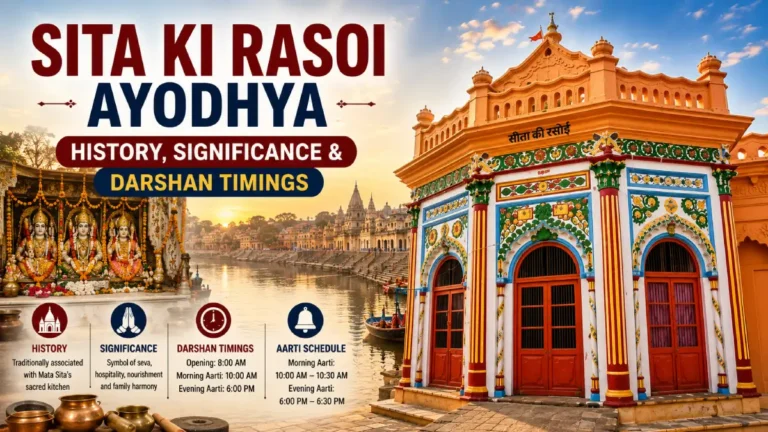
11. Sita Ki Rasoi
According to tradition, the kitchen at Sita Ki Rasoi was Sita’s. This spot has deep spiritual and religious significance and is one of the places of Lord Rama and goddess Sita that is most important. For: Religious visitation and traditional Ayodhya heritage.
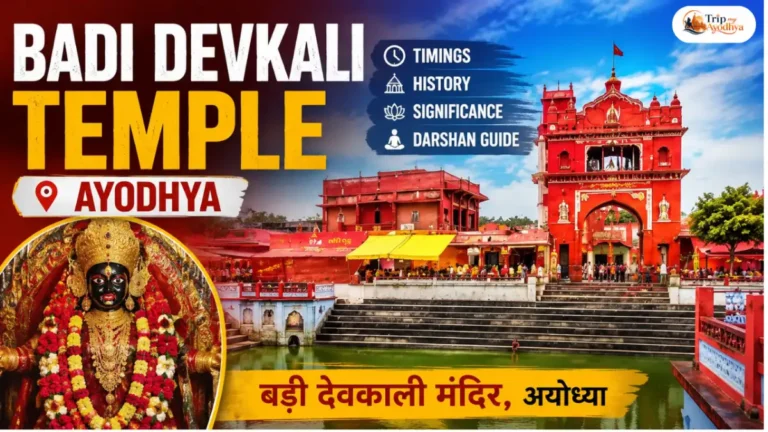
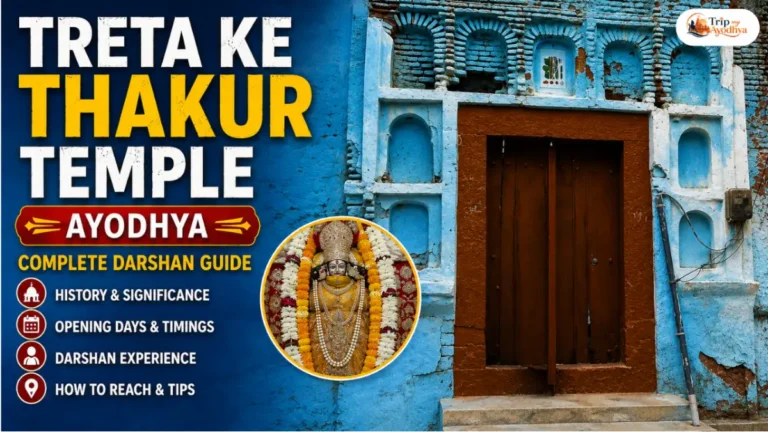
12. Treta Ke Thakur
Treta Ke Thakur is also a major religious shrine connected to Lord Rama. It is a terrific addition to a multi-day Ayodhya sightseeing circuit.
Best for: Devotional tours and temple visits.
Tips for Visitors
Some forethought will make your tour hassle-free.
Useful Tips
- Verify timings: Temple hours get adjusted during festivals and other holy days.
- Visit early: It is easier to cope with the sun in the early hours especially when it is hot.
- Dress politely and respectfully: The clothes should cover the skin adequately and also provide comfort suitable for the occasion.
- Plan for removal of footwear: The temple will let you know about the rules if you bring any.
- Keep a drink with you: Visiting various tourist spots throughout the day would leave you thirsty and need a lot of water.
- Do not be in a hurry: The temple and its surroundings are meant to be experienced, so plan enough time for that.
- If photography regulations exist, respect them: Follow the notices at the temple premises.
- Lay out nearby sights on your map: This way, not only do you conserve time, but also make fewer, more efficient trips in the city.
- Plan on extra time during festival periods: Roads and popular religious places may get crowded, so it is wise to leave early or arrive in the afternoon so that you are not stuck on the way.
Conclusion
Birla Mandir Ayodhya is a wonderful place for those interested in the spiritual, cultural, and architectural dimensions of the city. This temple of white marble is dedicated to Lord Ram and Goddess Sita, and features ornate carvings, a unique design with a war chariot reference, as well as a garden and a tranquil courtyard. The temple’s location right opposite the Ayodhya Bus Stop makes it very accessible to include in a full Ayodhya tour. Make sure to consult the current darshan schedule at the temple before the visit as time can get adjusted. Visitors who would like to see something different to the best known attractions can enjoy the quiet and devotional atmosphere of Ayodhya through Birla Mandir.
Frequently Asked Questions
1. What is Birla Mandir Ayodhya?
Birla Mandir Ayodhya, officially called Shri Ram Janaki Birla Temple, is a temple dedicated to Lord Ram and Goddess Sita. It is located on the Ayodhya-Faizabad route opposite the Ayodhya Bus Stop.
2. What are the Birla Mandir Ayodhya timings?
Published local information commonly lists the temple’s approximate visiting hours as 6:00 AM to 12:00 PM and 4:00 PM to 9:00 PM. Timings can change, so visitors should confirm the schedule before travelling.
3. Where is Birla Mandir located in Ayodhya?
The temple is located opposite the Ayodhya Bus Stop on the Ayodhya-Faizabad route.
4. Which deities are worshipped at Birla Mandir Ayodhya?
The main temple is dedicated to Lord Ram and Goddess Sita (Janaki). Lord Hanuman is also worshipped within the temple complex.
5. What is special about the architecture of Birla Mandir Ayodhya?
The temple is known for its white marble construction, intricate carvings, lotus-decorated pillars, and distinctive chariot-shaped design. Its architecture combines traditional Hindu elements with a modern approach.