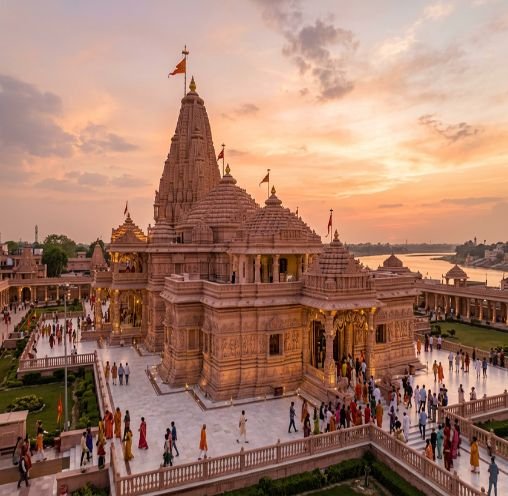
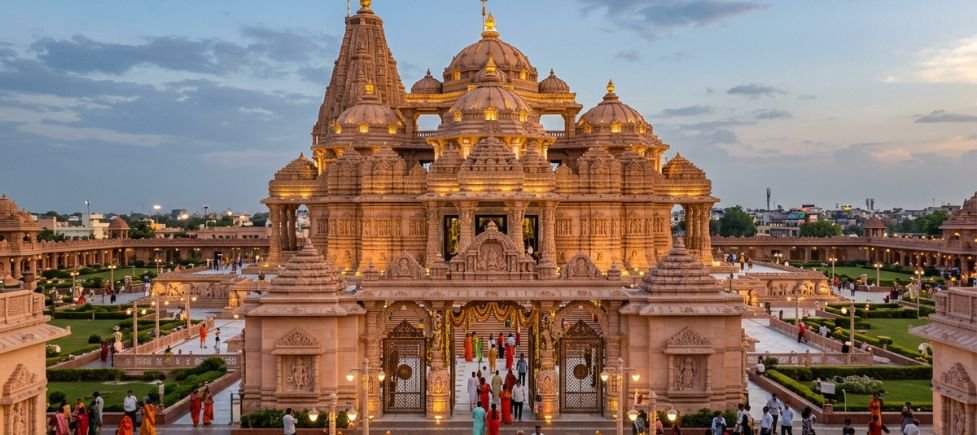



India has two highly religious and historically important places Ayodhya and Varanasi both of them get a lot of pilgrims and tourists every year. Apart from the deep spiritual connection of these places, the architectural magnificence of the temples they house, their historical roots and unique cultures are the other elements that make them an unparallel pilgrimage site. Ayodhya is the birthplace of one of the major Hindu gods -Shri Ram while Varanasi (Kashi) is the city of the god Shiva in Hindu mythological texts and is considered as the world’s oldest living city. Going on an Ayodhya Varanasi Local Sightseeing tour you have the opportunity to visit some of the most amazing and revered temples in the world, see the river aarti (holy ritual on the waters), know some of the heritage sites and finally be part of the spiritual atmosphere of North India. If you are going on a family pilgrimage, a religious tour, or looking for some cultural travel, visiting both cities in one trip will provide you with a perfect blend of faith, history, architecture, and local traditions.
In addition to covering both cities in one go, the Ayodhya Varanasi Local Sightseeing guide will be very handy in helping you organize your trip. It will list attractions, travel tips, suggested itineraries, transport options, other places for visitors as well, along with tips on having a smooth and relaxing holiday without worries.
Benefits of Ayodhya and Varanasi Visit Package
Getting a tour package that covers Ayodhya and Varanasi will surely open two of India’s most significant religious sites. Since the two cities are quite close to each other by both rail and road, the combination is quite easy to manage a travel wise.
Ramayan Places to visit in Ayodhya.
- The Shri Ram Janmabhoomi Mandir which is a place of an incredibly special importance to Hindu.
- Take blessings from the Hanuman Garhi
- Check out the stunning Kanak Bhawan
- Watch the magnificent Sarayu River Aarti
- Visit places of RAMAYANA.
- Produce some religious souvenirs and items made from traditional crafts from the locals.
Best Things to do in Varanasi.
- Have the darshan of the Kashi Vishwanath Temple
- Join the famous Ganga Aarti at Dashashwamedh Ghat
- To be surrounded by a very calm boat ride while seeing the rise of the sun on the River Ganga
- The ancient Buddhist site of Sarnath should be the second destination.
- Discover temples that are a century-old along with some sacred ghats.
- A good opportunity to purchase real Banarasi silk sarees, and handicrafts.
Driving distance between Ayodhya and Varanasi
- 115 to 130 Miles is their distance.
- Approximately 4 to 5 hours of the road trip
- Travel between Ayodhya and Varanasi is possible via regular trains, buses, shared taxis, etc.
- Top suggestion of the private tour cab will give you both the privacy and the comfort that can be expected during a sightseeing trip to these cities.
Reasons behind Tourists’ Choice of This Tour
- Experience the holy cities of India in a single trip.
- Witness the traditions followed by the Hindu gods RAM and SHIVA.
- Explore temples, perform river aarti, and get to see different forms of culture.
- I appreciate historic building styles, strolling around the shops as well as savor traditional delicacies.
- Suitable for all family members, religiously inclined tourists, seniors, and the novices.
- 2, 4 days’ trip schedule is good enough to cover most places of the two cities.
Ayodhya Varanasi Local Sightseeing tour besides the fact that it is an excellent means for pilgrimage, it is in fact the journey through India’s spiritual heritage that each temple, ghat, and historic landmark recounts in its own way a story of faith, devotion, and tradition.
Best Time for Ayodhya Varanasi Local Sightseeing
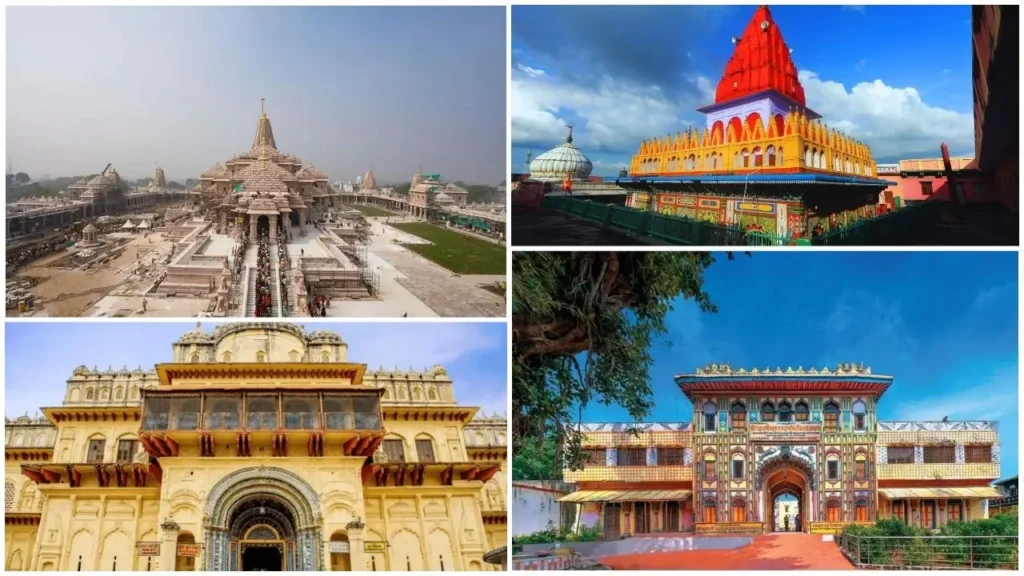
The best time to enjoy Ayodhya Varanasi Local Sightseeing is between October and March, when the weather is cool, pleasant, and ideal for temple visits, sightseeing, and outdoor activities. During these months, daytime temperatures remain comfortable, allowing travelers to explore famous attractions such as Shri Ram Janmabhoomi Mandir, Hanuman Garhi, Kashi Vishwanath Temple, Dashashwamedh Ghat, and Sarnath without the discomfort of extreme heat.
Seasonal Guide
| Season | Travel Experience |
| October – March | Pleasant weather, perfect for sightseeing, boat rides, and temple visits. |
| April – June | Hot afternoons, but early morning and evening sightseeing remain comfortable. |
| July – September | Monsoon season with lush greenery, fewer tourists, and occasional rainfall. |
Major Festivals to Experience
To get a sense of the spiritual and cultural atmosphere of these cities, try to schedule your visit when one of the major festivals is on:
- Ram Navami The grandeur of procession and special prayers is witnessed in Ayodhya on this day.
- Deepotsav (Ayodhya) An awesome show of lighting up the city with millions of lamps.
- Dev Deepawali (Varanasi) The Ganga ghats become a wonderland full of thousands of lights and devotional ceremonies.
- Mahashivratri Varanasi being a major place of worship, the worship of Lord Shiva on this day is done with lot of devotion.
- Kartik Purnima This is a time to take part in holy river rituals, temple festivals, and cultural activities that draw together pilgrims coming from various parts of the country.
- Diwali One of the few times of the year for visiting these places with lots of lights in both Ayodhya and the city of Varanasi.
Though one can feel a very spiritual ambiance and see continually active celebrations during festival times, large numbers will also be present. In order to be assured that travel is smoothly facilitated, it is advisable to reserve hotel spaces, transportation, and darshan arrangements well in advance particularly during the busiest time for visiting pilgrims.
Ayodhya Local Sightseeing: Spiritual and Religious Hotspots to visit in Ayodhya.
Ayodhya, birthplace of Lord Shri Ram, is one of the most sacred pilgrimage sites in India. Being rich in mythology, history and devotion, the city is home to some grand temples, peaceful ghats, and ancient monuments that attract large numbers of visitors every year. Be it for a day visit or a longer spiritual getaway, Ayodhya offers a fascinating mix of religious, cultural, and historical elements. These following attractions are just a few reasons you should include for your local sightseeing in Ayodya.
1. Shri Ram Janmabhoomi Mandir
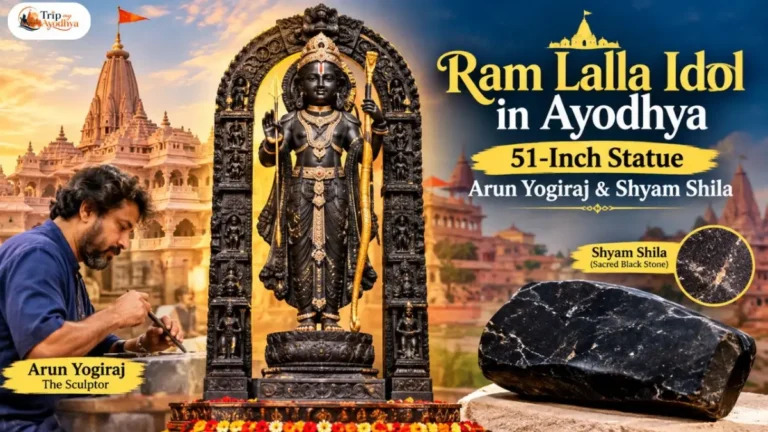
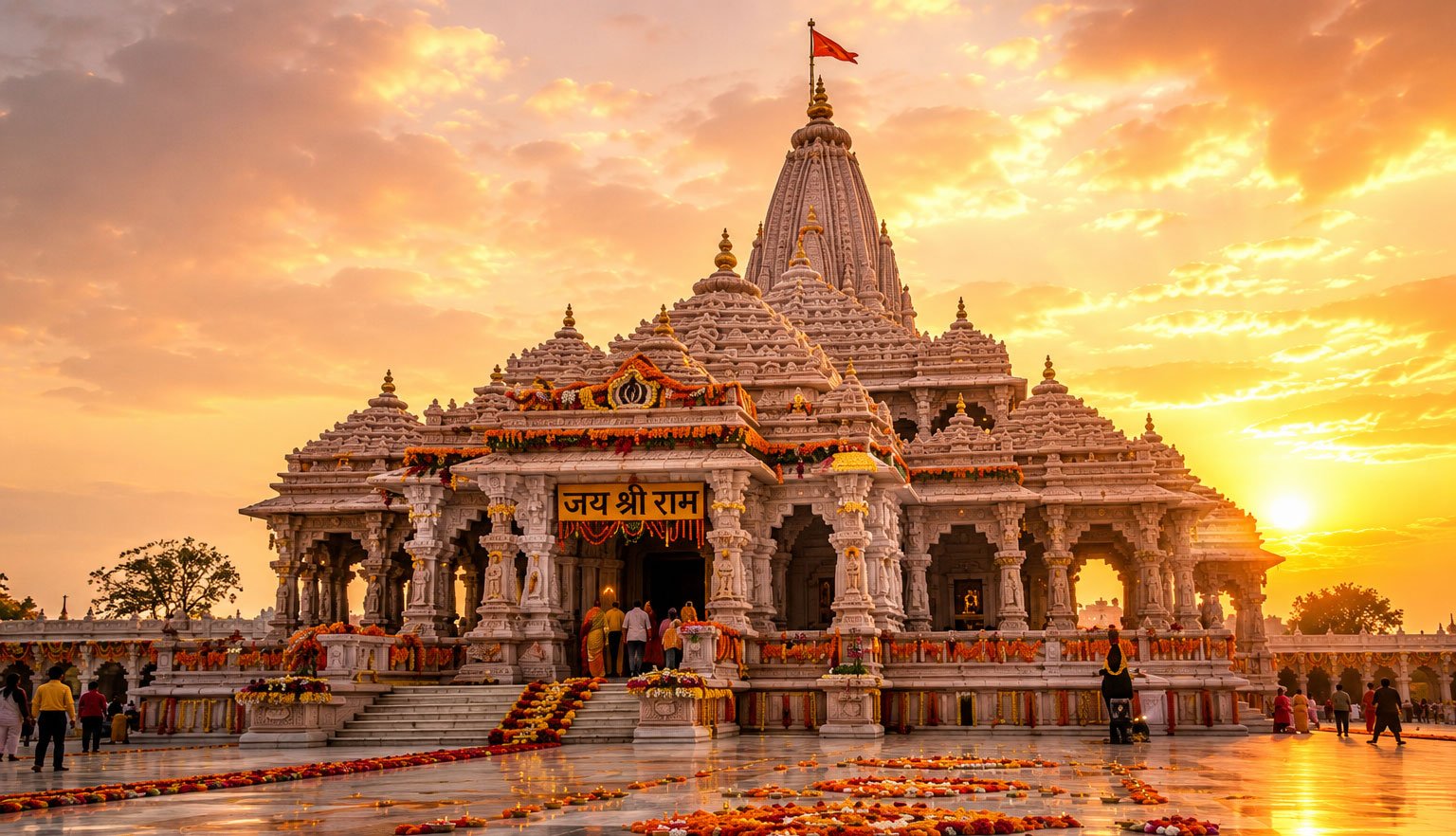
The main religious center for Ayodhya, Shri Ram Janmabhoomi Mandir, is also one of its main places of attraction. With beautiful traditional architecture, the temple is an icon of Indian cultural tradition and a sign of India’s deep-rooted religious faith. Shri Ram devotees from around the globe are among the temple visitors looking for blessings of the Lord Shri Ram and the opportunity to be moved by the exquisite details and craftsmanship of the temple. The beautiful carvings, peaceful environment, and the spiritual vibes are the reason most people visit this temple for a soul-stirring spiritual experience. The temple provides well-managed arrangements for darshan and also carries out aarti regularly at all times of the day and night. Going there early in the morning would get visitors the best experience no large crowds and a very calm and relaxed area around. Highlights:
- Creative stonework on the pillars
- Magnificent design of the walls and the whole temple.
- A great environment to relax and think.
- A beautiful atmosphere with the sounds of aarti in the morning, evening, and night.
Suggested Time of the Day: Morning
Suggested Duration: An hour to an hour and a half.
2. Hanuman Garhi
One of the main temples of Hanuman is Hanuman Garhi at the peak of the hill in the heart of Ayodhya city. It takes about 76 or so steps to climb from the hill’s bottom to the shrine, and at the shrine itself, you could offer prayers and also enjoy the view. According to some stories, the temple is where Lord Hanuman guarded Ayodhya right from the place that is this very hill after the arrival of Lord Ram.
The temple is a yearlong source of devotion, and it is most overcrowded the time on Tuesdays and the time of Hanuman Jayanti. The crowds will not dampen your spirits because the place is alive with religious vibes, the air filled with prayers, and the view of the city from the summit is breathtaking. If you really want to learn why Hanuman Garhi has always been so revered and beloved, read on:
- Ayodhya’s temple
- Panoramic views from the top of a hill in the city
- It is one of the most sacred and holy places in Hinduism.
- Elegant designs of temples, with many intricate carvings
- The atmosphere in the place is highly pious and dedicated.
3. Kanak Bhawan
Kanak Bhawan is viewed as one of the most charming Ayodhya temples and, at the same time, it carries a lot of religious traditions. It is supposed that Queen Kaikeyi presented the palace to Goddess Sita as a gift after the marriage to Lord Ram.
The temple is celebrated with interior decorations that are very elegant and also the colorful exterior. The idols of Lord Ram and Goddess Sita are decorated and presented very tastefully. Devotes of religion usually sing devotional chants within the temple premises which add serenity to the surroundings and encourage worshippers and worshippers of meditation. The architectural design of this place is incredibly beautiful and is reflected in the surroundings which are also taken great care of, making it a great spot to be snapped for photos as it is loved by people who enjoy capturing history.
Highlights
- Exquisite idols of Lord Ram and Mata Sita
- Temple located in such a way.
- A stunning example of architecture
- Opportunities for great photo-taking
- Deep cultural meaning and richness of history
4. Dashrath Mahal
It is a religious site near the birthplace of Ram, Dashrath Mahal which is the name given to King Dashrath’s palace who is the father of Lord Ram. Now this place has been used primarily as a religious place where people gather together to carry out devotional singing, kirtan, and even daily rituals.
One of the main attractions, besides the devotional atmosphere, which is usually very lively, is Dashrath Mahal’s temple where the stories of Ramayana are depicted through the paintings and decorations that make it extremely attractive and at the same time reflective of traditional north Indian temples architecture.
What Sets It Apart?
- Its location is a symbol of King Dashrath’s royal palace.
- The architecture in colorful traditional style
- Daily singing bhajans and devotional sessions
- Place that gives you peaceful spiritual vibes
- In close vicinity with other major sites
5. Nageshwarnath Temple
Dedicated to Lord Shiva, Nageshwarnath Temple is one of Ayodhya’s oldest and revered Shiva temples. It is said that Kush, the younger son of Lord Ram, founded the temple. The temple draws a crowd of thousands of devotees throughout the year, especially on days of worship of Lord Shiva like Mahashivratri festival and Shravan month of Hindu solar calendar, during which special rituals and pujas are performed. Its calm and quite ambience and historical importance make it a must visit for the devotees.
Best Time to Visit
- Mahashivratri Festival
- Shravan Month
- A peaceful morning darshan time
6. Treta Ke Thakur Temple
This temple of Treta Ke Thakur has deep links with the Ramayana and is said to be at the spot where Lord Ram conducted the Ashvamedha Yajna after the defeat of Ravana and his return to Ayodhya.
Lord Ram, Sita, Lakshman, Bharat
Satrughna and Hanuman are the ancient black stone idol of this temple. Even if it is not as busy as the bigger temples of Ayodhya, it surely provides the guests with a very holy and spiritual atmosphere and gives them a chance to experience and feel the ancient history and culture of this city. Highlights
- The story and importance from the Ramayana
- Precious and old stone statues
- The quiet and serene background
- Safer and less busy spots
- Excellent place for meditation and prayers
7. Guptar Ghat
Guptar Ghatcan be counted among the serene attractions of Ayodhya and is situated on the banks of the sacred Sarayu River. As per tradition, it is considered to be a holy spot, which is where Lord RAM is believed to have given up physical existence and returned to Gods Realm through Jal Samadhi.
This place is beautiful to have river views, particularly at sunrise and sunset. Visitors also use this place for a variety of activities including boat rides, quiet riverside walks, and meditations. The riverside becomes so beautiful during evening that visitors usually come to enjoy the lights and ambience.
Things to Explore
- Relaxing boat ride experience with serene river views.
- The view of the beautiful sunset over river Sarayu.
- Meditation and relaxation practice.
- Walk and explore around the area temples and structures.
- Take some nice photographs of the natural beauty.
8. Sarayu River Aarti
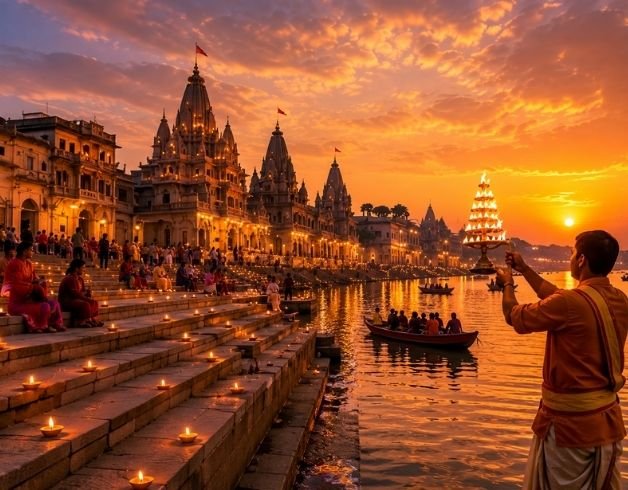
Witnessing the Sarayu River Aarti is like no other spiritual experience and it is considered one of the essential things to do in Ayodhya. This prayer ceremony is performed everyday evening along the riverfront and is an incredibly distinct way to show your devotion and connect with Lord Ganesha. It usually consists of rituals in which a group of priests with a brass lamp perform their offerings.
During this ceremony, the priests and a group of participants chant devotional songs together, the sounds of bells can be heard ringing, and a conch shell is blown, which marks the start of the ritual. In addition, hundreds of illuminated oil lamps, commonly known as Diyas, are floated on the waters of the river Sarayu and it creates a dazzling and magical scene as these lamps drift along the waves.
Expectations
- Vedic rituals
- Melodiously devotional songs
- A lovely evening light display
- Delicious vegetarian food
- Stunning riverside view and night photography
Varanasi Local Sightseeing: Spiritual Capital of India
You should continue your pilgrimage to Varanasi, the world’s oldest continuously inhabited city, and the city of Lord Shiva. This holy city offers the perfect blend of spirituality, history, culture, and traditions. Be it ancient temples, ghats, or Buddhist heritage sites, every part of the city carries the story of eternity with it.
1. Kashi Vishwanath Temple
This temple is not only the spiritual center of Varanasi but also the one among the twelve Jyotirlingas in which the energy of Lord Shiva is enshrined. The shrine here is so holy that even a glance gives you a feeling of being in divine contact. Besides this, the well-decorated Kashi Vishwanath Corridor has increased comfort without disturbing the beauty of ancient heritage. Those who visit in the early hour, get to experience a tranquil atmosphere in addition to the magnificent sight of Mangala Aarti.
Highlights
- One of the 12 sacred Hindu temples that house a form of Lord Shiva.
- Exquisite corridor around the temple
- Aarti performed early in the morning.
- Special darshan arrangements
- Abundant divine experiences
Better time to visit: Early morning.
2. Dashashwamedh Ghat
The riverfronts of Varanasi are of Varanasi, but Dashashwamedh Ghat is the most energetic and best-known. The area is most famous for the breathtaking Ganga Aarti, where priests perform rituals in a perfect coordination accompanied by holy chants, conch shells, and traditional music.
This site also serves as a gathering point during sunrise for taking boat trips and watching the daily unfolding life of the river side, with River Ganga as a setting background.
Popular activities
- Evening Ganga Aarti
- Boating in early morning
- Pictures of Ganga with the city in background
- Spiritual ceremonies
- Cultural performances by locals
3. Assi Ghat
Blessed with the peace of the south end of Varanasi, Assi Ghat is a tranquil place visited by pilgrimage groups, yoga lovers, and students, aside from international visitors. The start of day here is with yoga, music, and culture, which combine beautifully and result in a very calming atmosphere.
Nearby, you will find cozy cafés, bookshops, and scenic spots by the river which altogether constitute the perfect spot to relax after having temples at your sight.
- Morning yoga class
- Cruising in boats on River Ganga
- Live cultural shows
- Dining at local cafes
- Photography and leisurely walks
Apart from the spiritual experience of temple visits, you will have a wonderful time with the activities above.
4. Manikarnika Ghat
Manikarnika Ghat is a place of great spiritual significance in Hinduism where most of the cremations take place. It is believed that after cremation, one finds release from the cycle of earthly rebirth and attains the state of liberation (Moksha).
Although the place can be viewed at a reasonable distance from, visitors are requested not to make noise or take photographs, out of reverence for the religious nature of this site and also out of consideration for the living who attend to the cremation of their relatives.
5. Sarnath
Just 10 kilometers from Varanasi lies Sarnath, one of Buddhism’s most important pilgrimage sites. It was here that Lord Buddha delivered his first sermon after attaining enlightenment.
The area features several remarkable attractions, including the Dhamek Stupa, ancient monastery ruins, the Archaeological Museum, and the historic Ashoka Pillar site. Sarnath offers a peaceful contrast to the bustling streets of Varanasi and is ideal for history lovers and spiritual seekers alike.
Major Attractions
- Dhamek Stupa
- Ashoka Pillar site
- Archaeological Museum
- Buddhist monasteries
- Beautiful gardens
6. Sankat Mochan Hanuman Temple
The Sankat Mochan Hanuman Temple is one of the most popular Lord Hanuman temples in Varanasi and a favorite among the devotees. People believe that worshipping here helps to clear out hurdles in one’s life besides bringing peace, strength, and wealth.
The place witness maximum congregation during Tuesdays and Saturdays when the prayers and devotional activities are held especially and the temple becomes full. Highlights
- Tranquil and peaceful environment of the temple
- Kathputli dance and traditional Hanuman worship
- Special celebrations on Tuesdays and Saturdays
- Blessings of devotion and spiritual environment
7. Durga Kund Temple
A red-colored Durga Kund Temple is not only a magnificent example of architectural art but also a center of devotion dedicated to the Mother Goddess Durga who is worshipped here. It is also an incredibly old temple of Varanasi located by the sacred lake Durga Kund. The temple is highly appreciated especially during Navratri for its colorful and festive religious celebrations. It is visited not only for its spiritual aspects and sacred atmosphere but also for its beautiful natural surroundings and the fact that one can enjoy being immersed in them.
8. Bharat Mata Temple
Bharat Mata Temple is different in nature from other temples in which gods and goddesses are shown and worshipped. Instead of the usual deities being displayed through idols, the Bharat Mata Temple is an embodiment of the Mother Nation herself through the form of an immense and intricately carved marble relief map of various regions in the Indian geographical landscape. As the visitor walks along the temple walls with beautiful reliefs of the states of India and also rivers, the monument is not only an inspiration to the feelings of patriotism of the nation in the visitors but also presents them with an excellent way to learn about the country in an interactive and enjoyable manner. A visit to this temple, unique in nature, would certainly give a sense of unity as well as richness and diversity of our nation.
Suggested Two-Day Ayodhya Varanasi Local Sightseeing Itinerary
Day 1: Ayodhya by Flight/Rail/Car & Local Tour
You can arrive at God-city Ayodhya via flight, train, car. On reaching the city, you will meet the tour representative, and a vehicle will transfer you to the hotel. Once you have checked in the hotel, you can have some refreshing meal and drinks and then proceed for local sightseeing, exploring the most sacred temples and heritage sites in the city, which has been considered to be the most ancient holy town where Ram was born.
It is necessary to visit the grand Shri Ram Janmabhoomi Mandir during the first stop of your journey in Ayodhya. The temple is considered especially important by the Hindus. There are many beautiful stone carvings, a very peaceful ambiance besides the majestic architecture of this temple.
This Hanuman Garhi temple has been dedicated to God Hanuman and is a very prominent temple among the temples of Ayodhya. You have to take the stairs to the temple and on the way, you can see the beautiful city of Ayodhya.
Kanak Bhawan is one of the important places of worship and it is extremely attractive for visitors by its beautiful idol and the temple’s structure and peaceful environment surrounding it. Legend goes that it is the place where Goddess Sita used to get dressed.
The palace of Dashrath Mahal is one of the most famous places in Ayodhya which is a royal palace and is the ancestral home of King Dashrat who was the father of king Ram, Lord Ram. The place is really very charming in its architectural style and has a deeply religious atmosphere and it is a beautiful place for devotees as well as travelers and tourists. So, the Dashrath Mahal is the one place that you cannot miss if you are touring Ayodhya in your two days tour of Varanasi and Ayodhya.
Nageshwarnath Temple
Nageshwarnath Temple is an ancient Shiva temple, and its foundation was laid by the grandson of Lord Ram, Lord Kashyapa. It is one of the very sacred temples and is one of the must-visit places in Ayodhya for the pilgrims.
Ram Ki Paidi & Sarayu Aarti
Head out to Ram Ki Paidi in the evening and be in awe witnessing the mesmerizing Sarayu River Aarti. Rows of glowing diyas, chants of devotional songs along with the tranquil movement of Sarayu River set the stage for a soulful spiritual experience.
Return to hotel for dinner and spend the night there.
Day 2: Ayodhya Hidden Gems & Departure
Following breakfast, you are to continue exploring the less visited but still historically and spiritually rich places of Ayodhya before calling the tour to close.
Sita Ki Rasoi
Go to Sita Ki Rasoi, a spot connected to the goddess Sita by tradition. Besides its role as a pilgrimage center, the area tells about the Ramayana traditions and stories in depth.
Treta Ke Thakur
You can visit Treta Ke Thakur Temple, an important sacred place where it is said that Lord Ram did the Ashvamedha Yagya, this ancient idol of Lord Ram, Sita, Lakshman, Bharata, Shatrughna and Hanuma that the place holds are carved out of black stone.
Tulsi Smarak Bhawan
Tulsi Smarak Bhawan is a tribute by the people in memory of the great poet Goswami Tulsidas, writer of the Ramcharitmanas, which is a magnificent work on the life of the Lord Ram. The museum houses some rare manuscripts and also has the cultural exhibits and shows of performances that are devoted to the memory of the God.
Gulab Bari
Go to Gulab Bari, the garden with the Mughal-style of the great king and the tomb of Nawab Sha-ud-Daula. The garden, the fountains, and the natural scenery provide a very peaceful atmosphere after visiting temples.
Local Markets & Shopping
Some hours will be given to you to enjoy wandering the local markets of Ayodhya. Besides your shopping for small religious souvenirs, your shopping is also for Ram Naam dupattas, the brass idols, the articles of your handi, the Rudraksha malas, the devotion books, the wooden handicrafts, etc. Your final list to pack will include everything from the traditional sweets to the devotional articles which will serve as reminders of your trip for you.
Optional Sarayu River Boat Ride
If some amount of time can be spared after the day’s activities, then it is recommended to get the opportunity of a boat ride on the sacred river Sarayu. As you take the boat trip along the river you can enjoy watching the different ghats and the temples. This is also a peaceful way to relax and end your day and is one of the main attractions of Ayodhya.
Departure
Once the tour of sites has come to an end, the time has come to do the checkout and then be transferred via Ayodhya Railway Station or Mahamrie Valmiki International Airport, which would be the last place you stop before starting your travel, and the last place where Lord Shri Ram’s blessings and memories would be given as your gifts. May this spiritual trip of yours be the reason for many of your good memories and bring about peace and contentment in you.
Book Your Ram Mandir VIP Darshan & Sugam Darshan with Trip My Ayodhya
A visit to the sacred Shri Ram Janmabhoomi Mandir is a dream pilgrimage for millions of devotees. Whether you are planning a family trip, senior citizen pilgrimage, group tour, or a spiritual getaway, advance Ram Mandir VIP Darshan and Sugam Darshan planning can help make your journey more comfortable and organized. By planning ahead, you can avoid unnecessary delays, enjoy a smoother darshan experience, and focus on the spiritual significance of Ayodhya.
At Trip My Ayodhya, we help pilgrims plan memorable journeys with Ayodhya tour packages, hotel bookings, local sightseeing, transportation assistance, and complete pilgrimage support. Our goal is to make your visit simple, convenient, and spiritually fulfilling from arrival to departure.
Bookings with Trip My Ayodhya What You Gain
- Customized Tours We make the itineraries according to how the customer needs time and expenditure-wise
- Travel in Comfort Our vehicles are kept in a good condition and the drivers are experienced
- Celebrating Priority Darshan You will be able to save the time at temple visits if we handle temple visits well
- Local Experts The tour is explained in detail with spiritual knowledge by an expert guide
- Lower Cost There is a combination of many services with competitive price and no hidden fees
- Available Anytime Service Customer support team will give you help for the rest of your adventure
- Integrated Services All the necessary services like stay, transport, and sightseeing have to only be asked for once
Also BOOK: – Explore the top temples and spiritual attractions of Ayodhya in one day with a well-planned sightseeing itinerary.
Plan your upcoming trip with us and experience a divine journey like never before!
📞 Call Us: +91 7078723132 | +91 9557104160
📲 WhatsApp Us: +91 7078723132 | +91 9557104160
🌐 Visit Our Website: Trip My Ayodhya | Vrindavan Mathura Tourism
🔗Explore all our packages here 👉 Trip My Ayodhya Packages
🔗 Read Our Blogs for Travel Inspiration: Trip My Ayodhya Blog’s
How to Travel Between Ayodhya and Varanasi
The travel from Ayodhya to Varanasi is quite smooth and simple thanks to the efficient roads and other modes of transport. The 230 kilometers or so distance between these two holy cities makes it quite convenient for travelers and pilgrims to include a short trip to the other place on the side of their trip.
The mode of transport can be a private taxi, train, or bus, the latter being a popular option among travelers. A variety of modes is a factor in choosing a transport depending upon your time, money, and your preference for transport to travel between the two cities.
1. By Road
Road is the most favored mode of reach Varanasi from Ayodhya or even the vice versa and it also offers the best way of getting around as well as the best means of transportation to get back as well if one gets tired or gets time for a break or something. As road trips allow you to have breaks for refreshments, to view different sights, or visit local temples, the trip gets more fun to plan for and to travel.
Road Travel at a Glance
- Distance: Almost 220 to 250 km
- Travel time: About4 to5 hrs.
- Adequately maintained major highway
- Great option especially for groups or family trips
- Departers anytime you wish!
2. By Train
Train travel is a hassle-free and inexpensive means of transport for those who love going by public transport. Many express and regular trains connect Ayodhya (AY), Ayodhya Cantt. (AYC), and Varanasi (BSB). On average, one train journey takes 4 to 6 hours, depending on your choice of class or coach. It is a clever idea to buy your tickets ahead, especially if you are going on weekends, holidays, or big events like Ram Navami, Deepotsav, and Mahashivratri.
Highlights of Train Travel
- Frequent train services
- Journey duration: 4, 6 hours
- Low fare cost
- Pleasant AC and Sleeper classes
- Great for single travelers and pilgrims
3. By Bus
Government and private buses both run regular buses from Ayodhya to Varanasi. It is one of the cheapest ways of transport for pilgrims and respectively.
Journeys usually take about 5-6 hours, and you can choose from among the regular and air-conditioned buses which run throughout the day, although the exact time it takes is subject to traffic and the length of your stops. Most private bus companies allow an online booking of your vehicle and that way you can secure a seat before the trip.
Benefits of Bus Travel
- Extremely cheap way of transportation
- Daily government and private bus services
- Both AC and non-AC buses
- Convenient online booking
- Perfect choice for those not willing to spend too much money.
4. By Taxi
It is best to hire a private taxi, especially among the senior citizens, families and groups who are going from Ayodhya to Varanasi. Using a taxi gives you the freedom to pace your journey at will, you can visit the places along the way while your driver is driving or you can also skip some stops altogether thereby saving time to go on your sightseeing trip and you don’t have to think about your next transport. This is also one of the reasons why quite a few travelers opt for the full day taxi booking package because it allows them to combine the journey between the cities with a couple of visits to the local tourist spots, and it makes the whole trip very pleasant as well as less time-consuming.
Advantages of Renting a Taxi
- Pick-up and drop-off at your doorstep
- Changeability of the journey schedule
- Luggage space to travel comfortably.
- Stop at various places end route for sightseeing.
- Perfect for large families, pilgrims, and elderly travelers
Which Travel Option Is Best?
It comes down to your individual preferences and travel philosophy. If you want to have complete freedom and a comfortable trip, the best idea would be to hire the driver and take the private taxi. A more economic choice if you are one on a tight budget will be trains, buses, and both are safe and you will not have a hassle in getting to and from the destination. The whole route from Ayodhya to Varanasi is straightforward so no matter you choose by air, train or by road you will be able to see two holy cities of India and make it into one amazing spiritual journey.
Must-Try Local Food in Ayodhya and Varanasi
You would not want to miss one of the highlights of any Ayodhya Varanasi Local Sightseeing tour which is enjoying the mouthwatering street food that is authentic to these two holy cities. The two places are a heaven if you are a foodie and from the delicious Northern Indian breakfasts all the way to the famous street food of North India and the region’s desserts.
Must-Try Food in Ayodhya
Ayodhya offers a vegetarian food scene, simple yet flavorful, which is cooked using time-honored techniques passed on by the family. Kachori Sabzi is a popular breakfast item which comprises of deep-fried, crunchy kachoris and served alongside chili-spiced, mashed potato curry. It is loved by locals and visitors alike.
Bedai is one of the main breakfast dishes and is commonly served with spicy potato curry and hot jalebis. For those having a soft spot for desserts, Ayodhya offers freshly made Jalebi that is best savored at morning hours and when it is hot and crispy.
If you are seeking a cool alternative on a sweltering day one glass of Lassi made up a thick yogurt topped with the soft, white, creamy milk froth (malai) will give you the desired refreshing and cooling experience. Another popular choice among the desserts is Rabri which is a dessert made of rich milk and it is a favorite for all ages!
Popular Foods to Try in Ayodhya
- Kachori Sabzi
- Bedai
- Jalebi
- Traditional Lassi
- Rabri
Famous Food in Varanasi
Varanasi is well-known as one of the best places for street food in India that the foodies cannot resist.
Every corner and backstreet of the city will have your plate loaded with something unique. The Banarasi Chaat is the first food item you would want to have in a food trip to this city, and you can expect its spices, chutneys, and fresh raw materials. Another popular local dish is Tamatar Chaat, it is a spicy dish made up of mashed up tomatoes, spices and topped with some crispy layers.
Go for Baati Choka if you are looking for a hearty traditional meal. It is a type of home-style dish made of roast wheat balls and mashed vegetables.
Malaiya, a light and creamy dessert which is available only at the end of November till the last day of February, is something that should not be left out when enjoying yourself in Varanasi, especially during the wintry weather. Banarasi Paan, besides being a famous Indian food that gives people cool, is also a cultural representation. The Blue Lassi can really hit a new heightit can be both a drink you are familiar with and something you are tasting as you are tasting for the first time. Indian and foreign tourists alike are big fans of it.
Must-Try Foods in Varanasi
- Banarasi Chaat
- Tamatar Chaat
- Baati Choka
- Malaiya (Winter Special)
- Banarasi Paan
- Blue Lassi
Best Shopping Places in Ayodhya and Varanasi
Shopping is a crucial part of any pilgrimage trip, and Ayodhya as well as Varanasi have markets where pilgrims can buy everything from religious items, handicrafts, textiles, and other memorabilia.
Shopping in Ayodhya
Ayodhya’s local markets are lined with shops selling devotional items and traditional handicrafts. An offbeat shopping zone, the lively Ram Path Market, has shops which sell religious souvenirs, decorative objects, and local merchandise. The Hanuman Garhi Market that lies close to the famous Hanuman Garhi Temple can be one of the places where pilgrims come to purchase essentials for pujas, idols, and spiritual gifts. Apart from that, small handicraft stores in the city display locally made wooden items and brass art. Popular Items to Buy in Ayodhya
- Religious literature
- Brass figurines
- Rudraksha beads
- Wooden keepsakes
- Prayer tools
- Temple mementos
Shopping in Varanasi
Varanasi is known on a global level for silk weaving, its traditional form, and the dynamic local market scene. Just one street apart from Kashi Vishwanath Temple, Vishwanath Gali is one of the most crowded shopping lanes in the town that sells religious goods, souvenirs, and craft items. Godowlia Market is also a wonderful place to shop and here you can come across the best of clothes, handicrafts, sweets, and local produce. Anyone with a penchant to discover historical places should definitely make it a point to come to Thatheri Bazaar and Chowk Market where these are the only places known for traditional metalwork and handcrafted goods apart from authentic Banarasi products. Popular Items to Buy in Varanasi
- Banarasi Silk Sarees
- Brass art
- Wooden dolls
- Rudraksha
- Traditional confectionery
- Fabric made by the loom
- Souvenirs with spiritual meaning
Potential Sites of Historical and Cultural Significance Close by
If time permits on your Ayodhya to Varanasi Pilgrimage, it may be worth it to get an Ayodhya Varanasi tour that includes stops at these other temples, monuments, and sites that have great spiritual and/or historical value.
Nearby Attractions Worth Visiting
Bharat Kund
This short trip destination from Ayodhya, the site of Bharat Kund, is considered as the place where the younger brother of Lord, Ram, the great Bharat, lived for some time before the return of Lord Ram from his banishment. It is one such site where people get to feel the atmosphere of pilgrimage which is deep and holy.
Tulsi Smarak Bhawan
A monument devoted to Goswami Tulsidas the great author, this heritage site, apart from its museum, library, and daily Ram Leela (a religious play) or devotional singing programs, is great for those who enjoy literature and history.
Ram Ki Paidi
The Sarayu River flows here, and Ram Ki Paidi is known for the beauty of its ghat steps as well as evening lights and the overall peacefulness of the place. Here is a lovely spot where one can spend time quietly, take great photographs, or simply enjoy a spiritual ceremony from a distance.
Mani Parvat
The hill of Mani Parvat has many legends and stories attached to it of the Ramayana epic. The visitors can take the road to the top to enjoy the panoramic views of Ayodhya and the tiny temple located on the hillside, both.
Nearby Places to Visit from Varanasi
Ramnagar Fort
Located on the riverbank of the Ganga River, Ramnagar Fort displays grand royal architecture, the display of antique and vintage weapons, royal artifacts and, most importantly, a museum filled with fascinating things that the region boasts of.
Chunar Fort
Perched above the Ganga River, Chunar Fort is an ancient structure which is one of the oldest fortresses in Uttar Pradesh. Apart from providing you with a magnificent view of the river, the place also allows you to have a look at the historical and architectural heritage of the nearby area.
Vindhyachal Temple
Located nearby to Mirzapur, the Vindhya Chal is known to be one of the Shakti Peethas in India with great religious importance. In the span of an entire year, many thousands of worshippers come here to have Darshana of Goddess Vindhavasini and to take blessings.
Markandey Mahadev Temple
This old temple, dedicated to Lord Shiva, also provides visitors with not just serene surroundings but extraordinarily strong spiritual feelings. This is a wonderful place for visitors who want a quiet spiritual experience in a beautiful setting apart from the busy streets of Varanasi.
Include these near and dear locations in your traveling plans so that you can enjoy the spiritual, cultural, and historical abundance of Ayodhya and Varanasi two of India’s most extraordinary travel hubs.
Practical Travel Tips
- Visiting temples in the early hours is not only a good plan to avoid being swamped by crowds later but it also allows one more hour to explore.
- You will be on your feet most of the time, so it is important that you put on comfortable walking shoes.
- It is a clever idea to cover up your feet and legs and keep your dress covered to the waist when visiting holy places, as people are mostly dressed this way in temple complexes.
- Hydration is important so always have a water bottle at your side that you can take with you and also refill at various places that have water dispenser.
- Prior to travel, store the necessary document images on your electronic devices like computers/tablets/smartphones as backups.
- When entering a temple, try not to carry large baggage, as it may hinder your move through the temple and also be a safety concern.
- Follow the rules of the land and respect the prohibitions for photography. It will go a long way in the locals accepting you as a traveler and not disturbing their privacy.
- If you get interested in booking accommodation or other tours during the festive period, you have to be fast and book it beforehand as hotels and travel agencies will be completely booked.
Conclusion
The Ayodhya Varanasi Local Sightseeing tour is an experience where one not only gets to travel between two towns but also gains an in-depth understanding of spiritual and historical India and its cultural richness through temples and ghats.
The Shri Ram Janmabhoomi Temple at Ayodhya is an amazing spiritual center and the Kashi Vishwanath Temple and sacred ghats in Varanasi represent one of Indian’s most enduring religious sites. One finds an excellent mixture of religious feelings, ancient history, cultural traditions and, at times, an opportunity for a quick, enjoyable local walk and some great food, right there.
Time yourself well and start visiting the spots at the earliest hours and include such unique experiences as the Sarayu Aarti and Ganga Aarti, and you will have an unforgettable spiritual journey. Also, before starting a pilgrimage, refer to travel blogs and guides on Ayodhya, Varanasi, temple darshan and tour packages, which might have valuable information, to get the best possible travel experience through these holy cities.
Frequently Asked Questions (FAQs)
1. What does an Ayodhya Varanasi Local Sightseeing Package cover?
Normally a tour package of 2 to 4 days includes hotel stay, sightseeing car with hotel to sightseeing to hotel, visits to major temples, ghats, the driver’s salary, parking charges and other incidental expenses related to the vehicle. Some packages will include meals, airport, or railway station pick-up/drop-off service, tour guides and so on.
2. What’s the best possible Ayodhya Varanasi Local Sightseeing tour itinerary?
There is a recommended tour in 2-4 days duration. Usually, day one includes visiting the city’s main sights: Shri Ram Janmabhoomi Mandir, Hanuman Garhi, Kanak Bhawan, Sarayu Aarti (sunset fire ceremony) on the riverbanks. Following that you get to spend the second or third day getting around with the Kashi Vishwanath Temple, Dashashwamedh Ghat, Assi Ghat, Sarnath and of course Ganga Aarti (evening river side fire ceremony) in Varanasi.
3. Does car travel the best choice for Ayodhya Varanasi Local Sightseeing?
Absolutely. Taking a hire car would be one of the most preferable and easiest ways of sightseeing. It is not only very personal, but it allows the freedom to make spontaneous visits and the ability to do your own pacing. If it is a family, old people or a few friends who have traveled together car travel is definitely more suitable.
4. Are there buses available for Ayodhya Varanasi Local Sightseeing?
There are buses operated by government as well as the private sectors between Ayodhya and Varanasi. Buses are a cost-effective option for budget travelers but less flexible in travel plans, unlike traveling in a private taxi. Within the city, local buses and shared vehicles are available for tourists to use for sightseeing.
5. What is the Varanasi Ayodhya Tour Package price?
A lot of factors include how long the trip will be, the class of the hotel, the kind of transportation, the inclusions of the tour, and the travel season, the cost of the Varanasi and Ayodhya Package tour varies with them. Packages for budget will be more or less low priced while luxury ones that include hotels on the upper side, private car rentals, and VIP darshan can be quite expensive. The most accurate way of figuring out the cost is by getting a tailor-made enquiry from suppliers and tour operators.
6. What is the ideal Varanasi Ayodhya tour itinerary for 3 days?
A 3-day plan perfectly suits short-timed tourists.
Day 1: Reach Varanasi, visit Kashi Vishwanath Temple, dashashwamedh ghat, and Ganga Aarti.
Day 2: Explore Sarnath, Sankat Mochan Temple, travel to Ayodhya, and witness the Sarayu Aarti.
Day 3: Touring of Srirama Bhumi Temple, Hanuman Garhi, Kanak Bhawan, Dashrath Mahal, Departure.
7. What is the best varanasi ayodhya tour plan for 4 days?
A 4-day tour enables pilgrims to get to know the whole spiritual experience through leisurely and relaxed way of doing.
Day 1: Arriving at Varanasi, temple tour, and watching Ganga Aarti at night.
Day 2: Sarnath, Assi Ghat, city tours, and Ayodhya journey
Day 3: Ayodhya full day tour- Ram Janmabhoomi, Hanuman Garhi, Kanak Bhawan & Sarayu Aarti
Day 4: Treta Ke Thakur, Tulsi Smarak Bhawan, Ram Ki Paidi, local shopping & Exit
8. What is the most effective itinerary for Ayodhya and Varanasi?
It entirely comes down to what the total time you can spare. However, three to four days are enough to cover both places without any hurry. With that time, you can easily pay homage to the most visited temples, participate in the Ganga Aarti in Varanasi and the Sarayu Aarti in Ayodhya, explore local markets, and indulge in regional cuisine, and immerse yourself in the spiritual and cultural histories of the two sacred cities through all that you experience during your journey.