
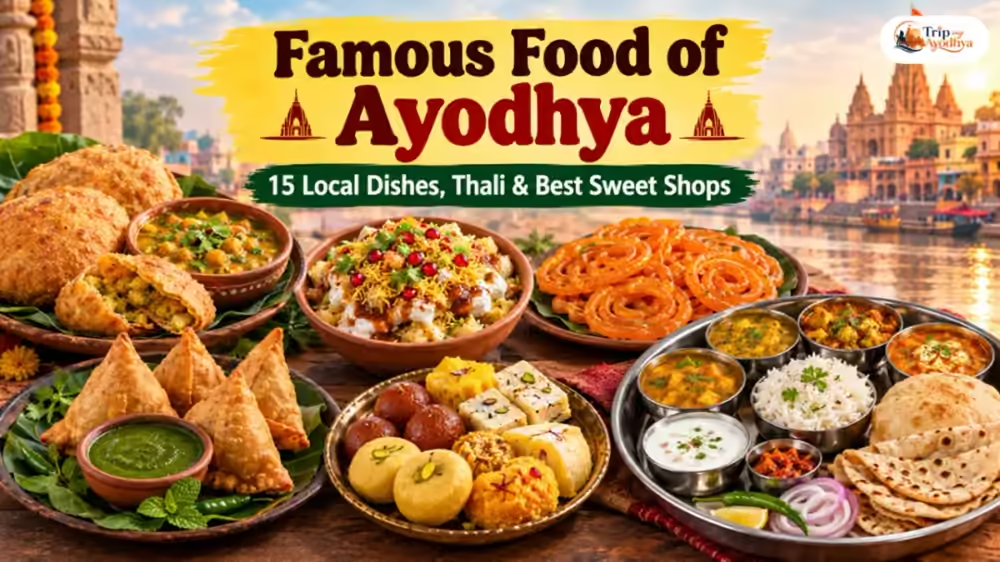
Discover the Famous Food of Ayodhya, from crispy kachori-sabzi and tangy tamatar chaat to jalebi, peda, rabri, malpua, lassi, and traditional vegetarian thali. This guide covers the best local dishes, popular sweets, food spots, and useful tips to enjoy authentic Ayodhya cuisine during your visit.
You need to know that Ayodhya's cuisine is not a dish or two but rather a mix of kachori-sabzi, puri-sabzi, chaat, jalebi, peda, Rabri, lassi, malpua and the traditional vegetarian meals, respectively. The government's tourism website also showcases these kachori-sabzi, malpua, Rabri, peda, jalebi and lassi as typical delicacies of the region that visitors should not miss having these dishes in Ayodhya.
It is even more exciting to combine food and sightseeing around the temples. For example, you can have your morning snack before visiting Hanuman Garhi, enjoy a chaat on the way to the major market and afterwards go back to your sweets after taking a peek inside one temple, and finally, just after your dinner at the Saryu Bank, finish your meal with one light dish.
Quick answer: The most popular foods to try in Ayodhya include kachori-sabzi, puri-sabzi, tamatar chaat, samosa, jalebi, peda, rabri, malpua, lassi and traditional vegetarian thali.
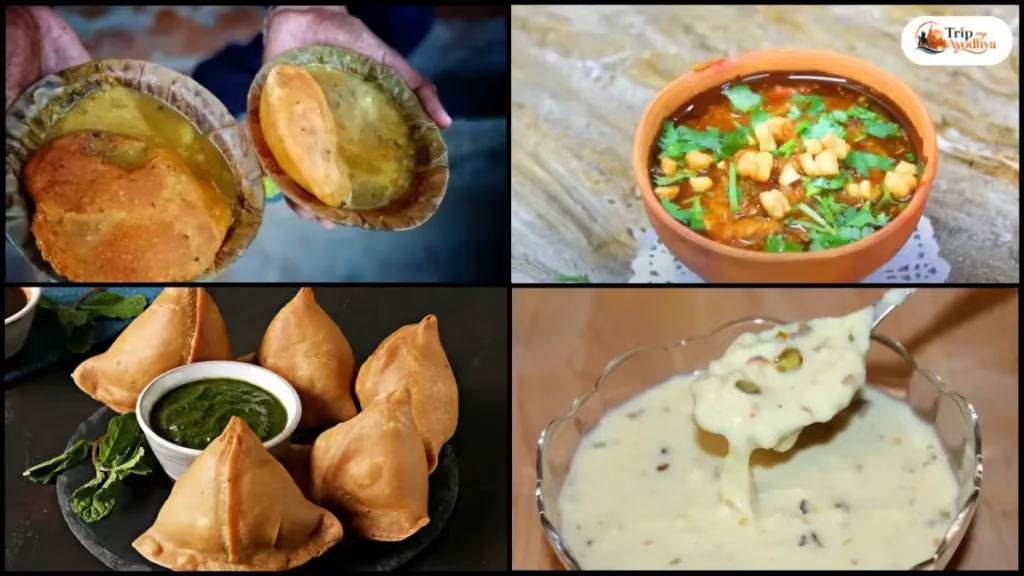
15 Famous Foods of Ayodhya You Should Try
The good news is you don't have to book yourself for a guided epicurean tour in Ayodhya. Many of these foods should be relatively easy to find in temples' vicinity, markets or small eateries.
1. Kachori-Sabzi
If you are going to take your breakfast seriously, you cannot miss this pair, kachori-sabzi. Kachori is basically a crunchy bread made by oiling and deep frying a dough and stuffed with spiced masala. It is served with an assortment of potato curries and often comes with a chutney or two. One of the best times to have kachori is in the morning, as shops are preparing fresh ones.
The combination is so hearty, so much so, one is hardly going to miss a restaurant meal; hence, it's the ideal meal if pilgrims have their sights set for temples in the morning.
2. Puri-Sabzi
This is another reliable option for breakfast or lunch at Ayodhya. Hot and puffed puris are usually served with sabzi or vegetable curry. According to UP Tourism itinerary for Ayodhya, they include puri-sabzi as a vegetarian meal to enjoy the city.
For travelers looking for a straightforward meal without taking time off to experience street food, one of the least complicated choices, if I might say so, is this.
3. Tamatar Chaat
One of the reasons why Tamatar chaat is on my list of things to eat at Ayodhya is that I quite enjoy hot, spicy, and sour flavors, a bit sweet at times. Usually, you will find that cooked tomatoes are combined with other ingredients and served together with the spices and chaat items for a hot, sour mixture that is a little sweet.
The Ayodhya itinerary from Incredible India mentions that Tamatar chaat is recommended for locals and that is the reason. Since recipes are different and vendors are not the same, you may experience quite a difference between two plates of Tamatar chaat. Tip: Ask the vendor to reduce the chilli level if you are not used to eating a lot of chillis.
4. Samosa
Although it might not be typical to this city, a samosa is one of the many foods that take a perfect picture when talking about Ayodhya city life. A deep-fried bread crust with spiced potato (and/or meat) in the middle makes one of the most satisfying snacks that is low priced and easy to share besides being widely available. So, if a visitor is just between temples, then taking a samosa for a snack while on the go can be quite convenient when she/he doesn't want to miss out on a full meal.
5. Jalebi
Hardly any Indian sweet is more tempting than a fresh jalebi right after being made. The dough is molded like coils, dipped in oil, and then immersed in sugary syrup that gives them a yellowish tint, which the locals love. The perfect jalebi should be crisp outside but still moist on the inside.
To have jalebi for breakfast is just common among many Indian people as having sweet at noon is an evening treat you cannot do without after work. Depending on which shop you choose, you can eat it plain with curd or rabri.
If you really like jalebi, the best time for you is the early hours when sweets are freshly prepared, while during the late hours sweet houses will have a crowd.
6. Peda
Peda is the kind of delicacy you can easily bring back home as a souvenir. Milk-based Pedas are generally made of khoya or condensed milk mixed with sugar and spices like cardamom. The taste can be creamy or slightly grainy depending on the way the ingredients are prepared.
Lovers of Ayodhya cuisine should not enjoy Ayodhya's local sweet shops with famous Ayodhya peda which is more strongly associated with Ayodhya Dham. Government tourism guide points out that the peda of Ayodhya is considered a Ayodhya specialty and there are several other varieties of sweet made with milk in Ayodhya including peda and other mithai
Tips to remember: When buying sweets for a journey home, ask the shopkeeper the time of production.
7. Rabri
Rabri is a concentrated milk pudding served cold or at room temperature, typically, that has a very rich, creamy texture. Besides cardamom, it is also commonly flavored with saffron. rabri can either be an independent desert serving or can serve as the perfect companion for jalebi and malpua.
Cheese-like rabri is best consumed fresh, so go for those sweet shops that keep their refrigeration in good order, have a fast turnover for milk products, and are well-established in the local community.
8. Malpua
In the shape of pancakes which have been deep-fried, malpua is a kind of sweet. It is an Indian dessert made by battering the dough and soaking them in syrup. During festivities, it is the favorite choice among the sweet dishes.
Towards a larger cultural and religious context, Ayodhya, as it is, a city filled with temple worship and the celebration of the annual festivals, it also offers food and drinks made especially according to religious or ceremonial occasions. malpua is on the list of authentic Indian delicacies listed in Incredible India that the tourist can savor in Ayodhya Malpua is best served warmth. Best pair: Malpua with Rabri
9. Lassi
After spending many hours at a temple and taking a tour around Ayodhya's old bazaars that are jam-packed with tourists, a refreshing glass of cold lassi is an ideal stop. A lassi is made mostly out of curd. Sweet lassi can be ordered along with fruit or cardamom to add variety to the flavor.
Salty variety, on the other hand, will contain coriander, mint, and ginger. Go for a sweet lassi with cream or full flavor, but if, like in such situations of sweet eating, you have already indulged in several sweets, perhaps a thin plain or lightly salted version of lassi would be more digestible.
10. Bhelpuri, chhole bhature
Bhelpuri, sepia, chaat, etc., are just some typical Indian street food items that can be found on Ayodhya’s streets Different types of chaat may be served by the vendor including puffed rice, chutneys, dahi, spices, chutneys, sev, etc., and a lot of it depends on whether it is an open-air vendor selling food or a shop, the kind of vendor the food is being served by.
It is better to go for a well-packed, popular vendor who serves fresh food than a deserted one whose food has already been served for several hours because many of the ingredients are eaten cold. Ayodhya city is not just a place of spiritual significance but offers a range of food, sweet and savory which tourists can relish during their stay
11. Aloo-Tikki
Aloo-tiki is another popular street-food dish from North India. It consists of spiced potato patties which are deep fried shallow-fried and then garnished with chutney, curd, spices and other ingredients. If you crave a savorier snack than another sweet, this one is a great way to satisfy!12. Pakora
Nothing beats the taste of fresh pakoras at a rainy day or in winter. Vegetables (or any mixture) are first immersed to a spiced gram-flour batter and fried until crispy. To get the best texture you need to rely on the vendor who fries a new lot for you. Fresh, hot-fried pakoras taste miles away from the ones having been sitting on a tray.
12. Pakora
If you want to enjoy pakoras at their best, you might consider having them during colder months or the rainy season.Pakoras are a variety of Indian fritters made by soaking vegetables or other items in batter and then deep frying them until they are crisp.
If you can get a vendor who fries them fresh, you should really go for it in order to get a decent texture and flavor. You really should be able to taste the difference between hot and cold pakoras.
13. Chole-Based Snacks
Broadly spoken, chole and chickpea-based dishes are available across North India and even in Ayodhya's local cuisine. They tend to be pretty filling and substantial which makes them suitable when other snacks like chaat are too simple. Travelling with family? You can have a share of chole-based snacks very easily.
14.Traditional Vegetarian Meals
Not everything has to be street food to have a great meal. Local restaurants and small eateries serve up hearty vegetarian meals that generally include dal, roti (bread), rice, vegetables, curd and seasonal delicacies. Families, elderly people or anyone wanting to enjoy a relaxed meal after temple touring are likely to prefer that option. UP Eco-Tourism's Ayodhya program includes a classic vegetarian lunch at a local restaurant as a great way to experience Ayodhya's food scene during its trip.
15. Prasad and Sattvic-Style Food
Ayodhya brings to light the tight bond between food and religion here. There are many devotees who eat only vegetarian or sattvic-style meals during the stay, especially if the visit is solely for temple darshan. Still, there's the possibility that religious/ culinary rules are not universally followed. Do let them know if you have any food allergy or preference. Otherwise, you run the risk of being served food you cannot eat!
Traditional Ayodhya Thali and Temple-Style Food
What Does Ayodhya Thali Usually Include?
There is no one fixed Ayodhya thali that is served all through the city. However, a typical vegetarian thali in a traditional place could have:
- Dal
- Seasonal vegetable
- Roti or puri
- Sabzi
- Curd or raita
- Rice
- Pickle
- Chutney
- Papad
- A sweet dish
The larger thalis at some places include multiple vegetables, sweets and even beverages. Still, it remains a great choice to opt for a thali when you just want to sit and try several different dishes without the hassle of getting them ordered one by one.
Is Ayodhya Food Vegetarian?
A large percent of the population in Ayodhya consumes vegetarian and that also gets reflected in the local cuisine especially near the temple and pilgrimage sites. But at the same time, if visitors are in one of these places and ordering food from a particular shop, they should not expect all shops or people to necessarily follow that style of cooking even in areas where most vegetarian food is served.
Best Sweets and Sweet Shops in Ayodhya
No visit to Ayodhya is complete unless you take home some sweets with you. Most common choices are:
- Peda
- Jalebi
- Rabri
- Milk-based mithai
- Seasonal sweets
- Barfi
- Malpua
- Ladoo
Some Local Sweet Shops to Consider
It is not really the best but it is better to look for some local sweets shops which are well-established and then try their products before actually choosing one. Some of them are:
- Maurya Mishthan Bhandar - local sweets shop at the Tulsi Nagar/Shastri Nagar area.
- Chandra Sweets at the Ram Path for khurchan peda - another shop with a listing in Ram Path.
- Banarasi Peda Bhandar - at the Kanak Bhawan Road area.
- Vishwanath Mishthan Bhandar - next to Chhoti Devkali.
- Thakur Prasadam - near Sai Nagar/Chowk area.
- Haldirams Ayodha Dham - is a well-known and recognized chain among tourists.
Shop closing and opening hours, availability, variety, and quality can change quite often particularly when it's festival time or there is a large pilgrimage crowd. Consider published lists as a source for starting points rather than an exact match.
What Sweet Should You Buy in Ayodhya?
For something to be kept with you while traveling: Choose a peda or a dry sweet these are much more suitable to carry if you are away from home. For instance, if you are visiting someone with whom you are spending time. If you want to eat right at the time of buying: Fresh jalebi or malpua are the options of choice.
Rabri is also nice on occasions if you don't mind the sugar level. For several people buying at once: It is wise to ask the shopkeeper for a mix box where everybody involved in the purchase gets a chance to taste a different sweetness.
Where to Eat Famous Food in Ayodhya
Most of the food outlets are scattered in different parts of the city rather than being gathered at a dedicated food street.
Around Ram Path and the Temple Area
- There are many restaurants, snack stalls, and sweet shops available in the vicinity of the main pilgrimage routes which serve a variety of Indian cuisines and sweets.
- If you happen to plan your travel schedule to include both dining and pilgrimage visits to Shri Ram Janmabhoomi Mandir, Hanuman Garhi, and other nearby attractions, these places will work very well.
Around Hanuman Garhi and Local Markets
- These surrounding areas are convenient for grabbing quick bites and desserts.
- It is a way to join your temple tour with a meal or snack without having to devote additional time for food hunting.
Near Ram Ki Paidi and the Saryu Riverfront
- Ram Ki Paidi is a very important riverfront spot in Ayodhya that was identified by the official tourism portal as a significant attraction by the Saryu.
- After exploring the ghats, look for food, drinks and rest spots close by.
Tip: The flow of people can be very intense with the big festivals and evening programmes. So, if you are making a train or airport transfer, please allow sufficient extra time.
Around Ayodhya's Main Markets
- Getting away from the most crowded temple gates is a way to enjoy more typical local environment.
- As you discover the established market areas, you might run across authentic early morning dishes, desserts, finger foods and family eateries providing the ambience which is not specifically targeting fast pilgrimage stopovers.
How to Eat Safely in Ayodhya
Trafficking street food with the local community is a way to feel the atmosphere there, and a part of the local cultural experiences. Still, one should use their wisdom not to indulge in harmful practices. FSSAI is running a Hygiene Rating Scheme that aims to assist the people in selecting safe food premises like Dhaba’s, restaurants, tea stalls and other vendors, etc. Under the current system, the businesses will be classified as 1-star to 5-star in terms of hygiene level.
Look for High Food Turnover
There are times when a crowded vendor's location may mean that the food is being made and served nonstop. But it won't guarantee that the foods are made or stored under sanitary conditions only. Such factors can reduce the possibility of food getting left unsold and thus becoming stale, which might be a concern if the food is not freshly made.
Prefer Freshly Cooked Food
It is a great option to have:
- Kachoris that are hot and freshly fried
- Hot puri
- Sweet jalebis
- Chaat made to order
- Pakoras freshly made
You might be more cautious of dairy products, chutneys or garnishes that appear to have been uncovered.
Check Cleanliness
Check the food preparation place of ordering your food. Spotless utensils, covered ingredients, washing hands in a proper way and a general tidiness of the food stand are all promising signs from the seller's point of view.
FSSAI lays down the rules and guidelines for running food-related businesses in a safe and hygienic manner which includes street food vendors as well.
Carry Water
Different activities are involved in exploring the temples including a lot of physical activity especially in high temperatures. Carry your water bottle with you and don't try too many heavy meals in one single occasion as it might have a negative effect.
A Simple One-Day Ayodhya Food Trail
If you're here in Ayodhya and are limited with only one day then there is a way to enjoy this iconic city's famous food, visit major temples and do other sightseeing too. The secret is to think about your meals as a part of your sightseeing activity rather than separate activities.
By following your temple sightseeing with meals, a properly planned day can bring you from a nice traditional breakfast in the morning through a rich vegetarian meal, a taste of the street chaat later, and finishing your day before going home with a box of sweet Indian mithai!
Morning: Kachori-Sabzi to get the day started
Ayodhya food trail should begin with a traditional breakfast of kachori-sabzi. A filling choice is to have freshly fried kachori served with spicy potato sabzi especially considering that you would be spending a very active morning at temple visits. If you really like sweets, then you can have a small amount of jalebi with your breakfast. Fresh jalebi is best taken warmly when it is crisp on the outside and is soaked with the sweet syrup.
Morning food items
- Kachori-sabzi A classic and hearty breakfast
- Jalebi A sweet to go well with a meal
- Tea A simple beverage to finish breakfast
- Lassi A cool alternative, especially when it’s a hot day
In fact, after having your breakfast, you must go out and start temple visiting while the weather is still pleasant.
Place to visit in the morning
In the mornings if your schedule allows you can visit:
- Shri Ram Janmabhoomi Mandir
- Hanuman Garhi
- Kanak Bhawan
- Local temples and markets
You have to keep in mind the time you might be lost during security checks, lines, and walking, especially on weekends and during major festivals.
Suggested timing:
- 7:00-8:00 AM: Meal
- 8:00 AM-12:00 PM: Temple worship and sightseeing
Travel Tip: For example, if there are a large number of pilgrims visiting the place at that time you should start going early as temple grounds are going to be quite crowded.
👉Same Day Ayodhya Tour Package | Ram Mandir Darshan Tour
Afternoon: Having traditional vegetarian thali
After the morning sightseeing you should have a hearty meal break. It is important to have regular food and not rely only on snacks. One of your best bets is vegetarian Thali or puri-sabzi.
Thali offers an attractive package because it gives the pleasure of having various dishes in one sitting. For example, depending on your restaurant, it can contain the following:
- Dal
- A type of seasonal sabzi
- Roti
- Rice
- Curd or Raita
- Different kinds of Pickles and Sauces
- Chutney
- Papad
- Dessert
If a simple meal appeals to you rather than a variety, a common way of having one meal is puri-sabzi.
Good reasons to get your hands into a vegetarian thali
Family-friendly food choice as well: Since every item has a different flavor, you can avoid the necessity of getting multiple single dish menus for each family member.
If you want to try the authentic North Indian vegetarian style food it is good idea to have a thali, not just to limit yourself to street snacks during your Ayodhya food experience.
Suggested timing:
- 12:30 PM, 3:30 PM: Rest or take a bit of a walk
Summer Tip: In the summer months, you will need to take a nice long break after lunch instead of being outdoors till the evening as it can be quite hot.
Evening: Ayodhya's Chaat to the rescue
Ayodhya's local chaat culture comes to life as the hot afternoon winds down so head out for an evening snack and exploration of local chaat scene. One of its popular items is tamatar chaath, and it particularly suits your taste if you enjoy spicy and tangy flavors.
Aloo-tikki on the other hand is a very familiar snack that features crispy potato patties topped with different types of chutneys, spices and other condiments.
Ayodhya's Popular Evening Snacks
You are offered the following choices:
- tamatar chaat, one that is very tangy, spicy and loaded with a lot of different tastes.
- aloo-tikki, a potato based, crisp little snack.
- samosa, a very known kind of savoury food.
- Pakora is very suitable for relatively cool weather.
- Lassi, a cool drink to go to after a tiring and hot sightseeing day.
Eating from street vendors, choosing an active stall (with a good footfall) and it is very clean where one can see that the food is freshly prepared with a steady flow of the customers. Spice Tip: If you are not used to the level of heat, go back to the vendor again, he would probably lower the amount of the chili and the spicy chutney for you.
Evening Tours / Sightseeing
After your first snack, you have a chance of getting further into the exploring of Ayodhya. Depending upon your time, you may visit:
- Ram Ki Paidi
- Saryu riverfront
- Nearby markets
- Local shopping areas
Suggested Time:
- Ram Ki Paidi or Saryu riverfront
- Ayodhya Evening sightseeing: 4:00, 6:00 PM
- Cooling off drinks after sightseeing: 6:00, 7:00 PM
- Chaat and beverages: 7:00, 8:00 PM
It is a Night: You Should Have an Easygoing & Light Meal
Ayodhya's dinner of a temple tour day should be light and comforting as temple visits, walking and the tasting of a variety of local snacks may be too heavy after dinner if you go for a second feast.
Light vegetarian dinner
- Roti (Indian bread)
- Dal (soup or lentils)
- Seasonal sabzi (a side vegetable dish)
- Rice
- Curd (yogurt)
- Small dessert
Children or families will probably prefer dining at clean and comfortable sit-down restaurants rather than eating street food for a second time. Suggested timing: 8:00, 9:00 PM: Dinner, then relax
Before Departure: Pick Peda & Dry Mithai
On your way of leaving Ayodhya, do not hurry, make a last visit to a local sweet stall, and have one more food stop. If you want to take sweet home for your family or your friends, then Peda and other dry mithai can easily make it to your luggage whereas desserts that need refrigeration, for example, are a bit difficult.
Delicious Desserts to Pack on a Journey
- peda
- barfi
- Ladoo
- dry mithai made from milk products
- other readily available dry desserts from the area.
In case you have a longer ride ahead, do ask the shopkeeper about the types they think would go well during travel, or look up for them based upon what their recommended shelf life is for storage. Suggested timing for last-minute shopping of sweets: 9:00 PM onwards.
Plan Your Ayodhya Trip with Trip My Ayodhya
Plan and enjoy a spiritually enriching travel experience in a very convenient way through the expert assistance of Trip My Ayodhya. Being a reliable and trusted company for pilgrimage tour management, we ensure your tours from a temple to a temple go like a dream. We have customized tours and comfortable transport. You need not only get the spiritual darshan but also have an enjoyable time in visiting local tourist spots while you are there. With our services, you will not have hotel booking or travel planning worries, as everything is already well arranged by us.
Visit Ayodhya, Varanasi, Ayodhya, and Varanasi with a peace of mind as we handle things on our end so that you can devote your time and energy solely to experiencing a spiritual and religious trip. Select our package as the best of all your options if you want a hassle-free, pleasant, and unforgettable travel venture to the most holy places in India.
Bookings with Trip My Ayodhya What You Gain
- Customized Tours We make the itineraries according to how the customer needs time and expenditure-wise
- Travel in Comfort Our vehicles are kept in a good condition and the drivers are experienced
- Celebrating Priority Darshan You will be able to save the time at temple visits if we handle temple visits well
- Local Experts The tour is explained in detail with spiritual knowledge by an expert guide
- Lower Cost There is a combination of many services with competitive price and no hidden fees
- Available Anytime Service Customer support team will give you help for the rest of your adventure
- Integrated Services All the necessary services like stay, transport, and sightseeing have to only be asked for once
Also BOOK: Same Day Ayodhya Tour Package – Itinerary – Explore the top temples and spiritual attractions of Ayodhya in one day with a well-planned sightseeing itinerary.
Plan your upcoming trip with us and experience a divine journey like never before!
📞 Call Us: +91 7078723132 | +91 9557104160
📲 WhatsApp Us: +91 7078723132 | +91 9557104160
🌐 Visit Our Website: Trip My Ayodhya | Trip My Ayodhya
🔗Explore all our packages here 👉 Trip My Ayodhya Packages
🔗 Read Our Blogs for Travel Inspiration: Trip My Ayodhya Blog's
Best Time to Try Authentic Famous Food of Ayodhya
Most of the time, there will still be food outlets in Ayodhya available to your enjoyment; however, the flavor changes with the temperature.
October to March
It is much easier for you to move around markets and enjoy street foods in cold weather. Being in good condition, you will also visit other spots and may end up getting into more crowded areas.
Summer
You would not be the only one who finds Ayodhya a little too warm in summertime. Just keep your food consumption limited if it is fried and heavier and drink something refreshing like a lassi instead to stay hydrated.
Festivals
Main festivals like Ram Navami, Diwali, major religious events, and others can be the turning points of the city. The food stalls would be serving special sweets and festive foods; however, the queues and crowds will also be quite large during those periods.
Travel tip: Don't schedule a food- and market-walking day at a major festival followed by an important train or air-transfer.
Top Foods of Ayodhya in a Nutshell
| Food | Best Time | Type | Good For |
| Kachori-Sabzi | Morning | Savoury | Traditional breakfast |
| Puri-Sabzi | Morning/Lunch | Savoury | Full meal |
| Tamatar Chaat | Afternoon/Evening | Chaat | Spicy food lovers |
| Samosa | Anytime | Snack | Quick bite |
| Jalebi | Morning/Evening | Sweet | Fresh dessert |
| Peda | Anytime | Sweet | Take-home gift |
| Rabri | Afternoon/Evening | Dessert | Sweet lovers |
| Malpua | Evening/Festival | Dessert | Traditional sweet |
| Lassi | Afternoon | Drink | Refreshment |
| Vegetarian Thali | Lunch/Dinner | Full meal | Families |
Final Thoughts: Famous Food of Ayodhya
The Famous Food of Ayodhya offers more than just delicious flavors these are reflections of the city's lifestyle simple, traditional and spiritual. Kachori-sabzi & puri, tangy tamatar chaat, jalebi, peda, rabri, malpua & lassi are just a few of the local foods you may enjoy on a visit. A great way to enjoy an Ayodhya trip is to include meals made of Ayodhya's famous recipes.
During a festival, check out what time they open and if there is anything you are advised not to do. Whether you are on a trip with family for visiting temples and you're just exploring Ayodhya for the first time, you can plan a tour to Ayodhya's food which will go well with a sightseeing itinerary, this way your journey will be fun, hassle-free and worthwhile one.