4 Days
23% OFF
Varanasi & Sarnath
Varanasi Tour Package Kashi Yatra, Ganga Aarti & Sarnath
Hotel Stay Daily Breakfast Private AC Cab
Starts from
Free Cancellation₹4,499/ person
Handcrafted spiritual yatras with Ram Mandir Darshan Planning & Local Assistance, sanitized private AC cabs, and verified resident guides. Doorstep pickup from Lucknow, Varanasi & Ayodhya Airport with 100% transparent rates.
By Rohit, Founder, Trip My Ayodhya
Trip My Ayodhya offers private pilgrimage tours covering Ayodhya, Varanasi, Prayagraj and Gaya, with options ranging from same-day sightseeing to multi-day spiritual journeys.
Our packages start from ₹1,499 per person, depending on the selected route, group size and services. Travellers can choose private AC transport, local sightseeing assistance and hotel accommodation where included in their package.
Our local team helps plan temple visits around published darshan schedules, travel distances, expected queues and seasonal conditions. Each booking is confirmed with a clear itinerary, service inclusions and applicable charges.
Pilgrims Assisted: 50,000+ travellers supported through our pilgrimage and travel services since 2018.
Business and billing details are shared clearly before booking. Temple entry arrangements remain subject to official temple rules and availability.
Replies within 2 hours, 8 AM to 9 PM.
Handcrafted day-wise private pilgrimage packages covering Shri Ram Janmabhoomi, Hanuman Garhi, Saryu Aarti, and Kashi Vishwanath with sanitized AC cabs and local guide support.
GSTIN: 09PSSPS2447L1ZF. Package inclusions and applicable charges are explained before booking.
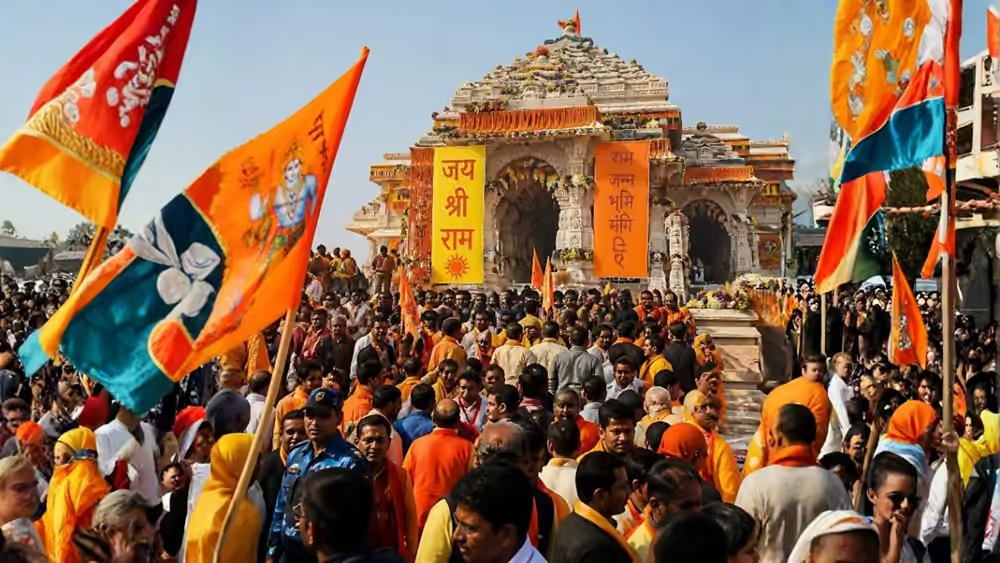
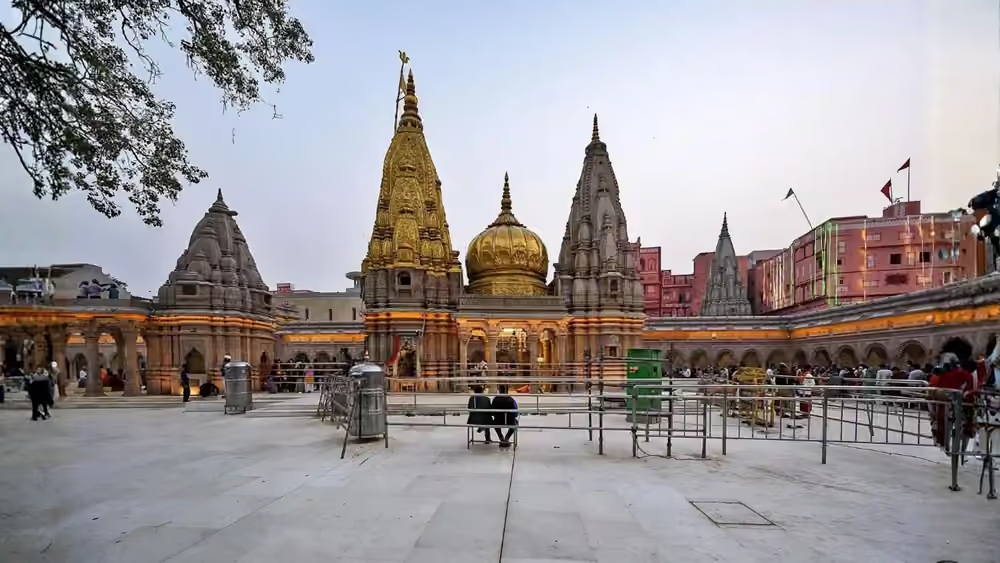
Inclusions vary by selected package. Multi-day itineraries may include hotel stays, while cabs, local guides, transfers and darshan assistance are provided only when listed in the package quotation.
Private sanitized AC car for your entire trip (Dzire, Ertiga, Innova Crysta or Tempo Traveller) — never a shared bus.
Ayodhya & Varanasi native, Hindi & English speaking licensed local guides for temple history, darshan order & hassle-free navigation.
Doorstep pickup from Lucknow (LKO), Ayodhya (AYJ), and Varanasi (VNS) airports or railway stations, confirmed prior to arrival.
Temple entry schedules, Sugam Darshan planning & aarti timings mapped intelligently to avoid peak hours and queue exhaustion.
All parking fees, highway toll taxes, driver allowance, and fuel charges included upfront with clear invoices.
Clean 3★/4★ temple-side hotels with modern amenities and complimentary breakfast (applicable for multi-day itineraries; day trips & cab hires are transport-only).
Every price is per person and quoted upfront on WhatsApp. No hidden charges.
These Ayodhya & Varanasi packages are our most-booked travel packages. Browse all tour packages to compare every duration.
| PACKAGE | DURATION | FROM (PER PERSON) | BEST FOR | VIEW |
|---|---|---|---|---|
Same Day Ayodhya Tour by CarPOPULAR | 1 day | ₹1,499 | A quick core darshan from Delhi NCR / Lucknow | View→ |
| 1 day | ₹1,499 | Kashi darshan and Ganga Aarti in a day | View→ | |
| 2 days | ₹2,499 | Adding Saryu Aarti & Guptar Ghat to the core yatra | View→ | |
| 2 days | ₹2,999 | Pairing morning ghat boat ride with temple darshan | View→ | |
| 3 days | ₹3,499 | Travellers flying in from south & west India | View→ | |
| 4 days | ₹4,499 | Complete Ram & Shiva circuit with family and elders | View→ | |
| 7 days | ₹6,999 | A full spiritual circuit with Prayagraj Sangam & Gaya | View→ |
Looking for a Ayodhya & Varanasi trip package for a festival? See our Ram Navami, Deepotsav Ayodhya, and Dev Deepawali Varanasi departures. An Ayodhya Varanasi package for 2026 books months ahead, so enquire early.
Direct fixed pricing with verified commercial vehicles. Includes highway toll taxes, parking permits, fuel, and night driver allowances with zero hidden charges:
Ideal for: Couples, solo yatris & small families (2–3 persons)
Ideal for: Families with children, elders & extra luggage
Ideal for: VIP yatris, senior citizens & long-distance comfort
We personalize pickups from Lucknow Airport, Ayodhya Airport, Varanasi Cantt, hotel categories (3★, 4★, River-view, Heritage), and wheelchair / golf cart assistance.
Verified opening hours, aarti timings, gate details, and pilgrim guidance for Ayodhya, Varanasi & Prayagraj to plan smooth darshans.
Temple opening and closing hours may vary during different seasons, festivals and special religious occasions. Please confirm the current darshan schedule with the temple administration before planning your visit.
Taking elderly parents on their dream pilgrimage to Ram Lalla and Kashi Vishwanath? Here is how we ensure their darshan is comfortable, deeply spiritual, and completely free of physical strain.
Inside the vast 70-acre Shri Ram Janmabhoomi complex and the Kashi Vishwanath Corridor, walking can be challenging for elders. We coordinate golf carts and wheelchairs right from parking to sanctum gates.
Our experienced local chauffeurs hold authorized transit permits to drop senior citizens at the closest accessible security gates (Gate 3 in Ayodhya, Godowlia crossing in Varanasi) avoiding 1-2 km long walking walks.
Handpicked family hotels with working lifts, ground or lower floor allocation, spotless Western bathrooms with grab-bars, and 100% pure vegetarian Satvik home-style food suitable for senior diets.
We never rush your parents. Itineraries include comfortable 2-hour afternoon rest periods in the hotel during peak heat, avoiding crowded mid-day queues and focusing on serene morning and evening aartis.
A dedicated polite Hindi/English speaking local guide accompanies your family through security screenings, prasad counters, and boat boarding for Saryu & Ganga Aarti so you never feel lost.
Immediate access to local clinic networks, chemist delivery at hotel, oxygen cylinder readiness if needed, and 24/7 on-call manager support throughout the tour.
Tell us your parents' mobility requirements, dietary preferences, or flight timings. We will craft a customized gentle yatra plan with zero staircase strain and guaranteed comfort.
From doorstep airport pickup in Lucknow, Ayodhya, or Varanasi to Ram Lalla VIP darshan, Saryu Aarti, and Kashi Vishwanath pooja — every transfer and hotel stay is synchronized for zero hassle.
Your dedicated chauffeur awaits you with your name placard. Settle into a pristine, sanitized AC cab with fresh bottled water and complete luggage assistance.
Navigate locker protocols, mobile deposit, and security checkpoints smoothly with our local resident team guidance and battery buggies for elders.
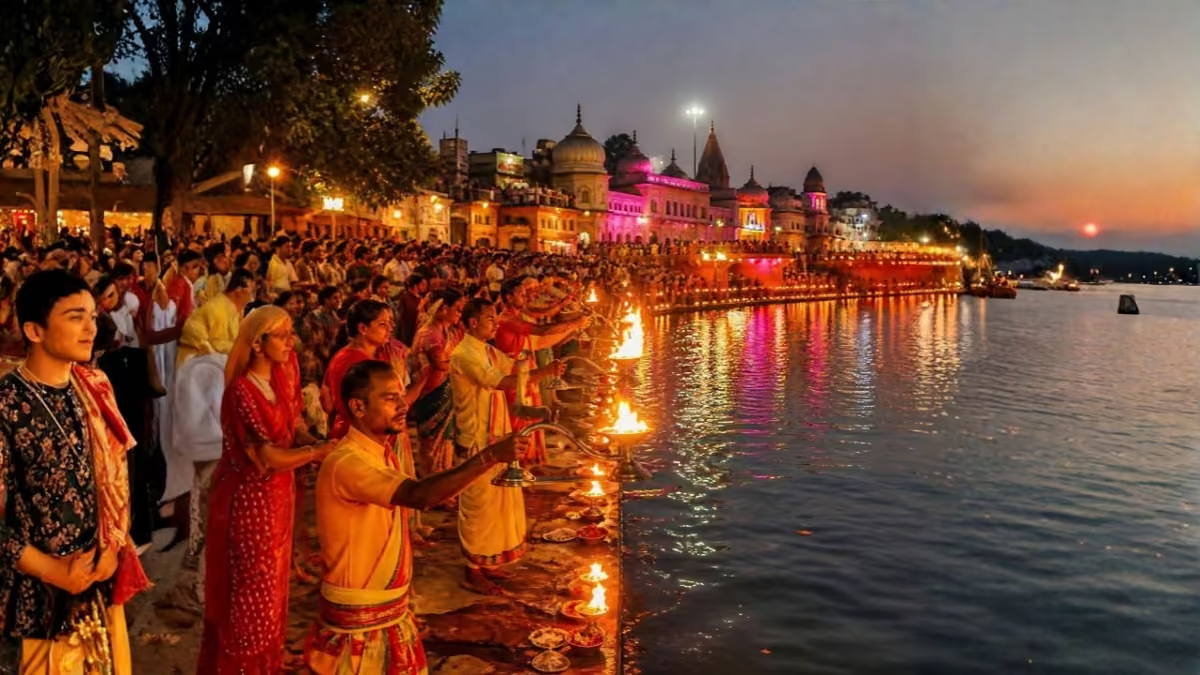
Witness the divine spectacle of Saryu Maha Aarti at Ram Ki Paidi and Dashashwamedh Ghat Ganga Aarti from a comfortably moored wooden boat away from crowded riverbanks.
Receive blessed Hanuman Garhi Besan Laddu or Kashi Lal Peda prasad, explore historic temple bazaars, and enjoy on-time airport or station drop.
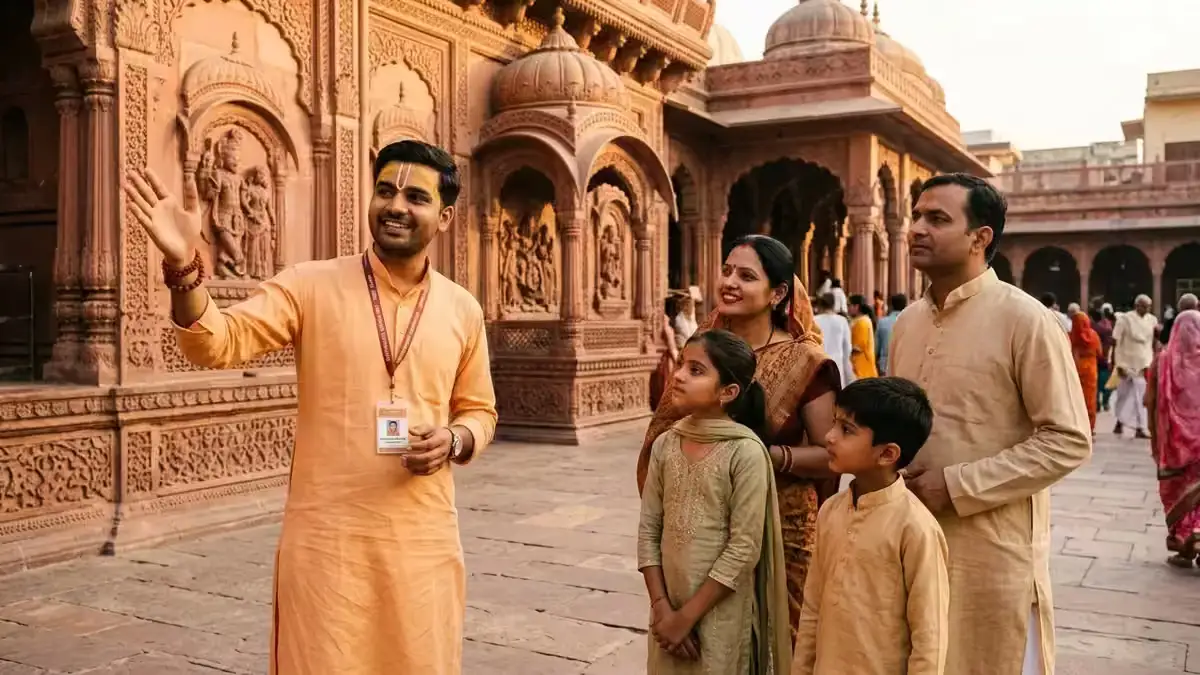

Dedicated to sacred North India pilgrimages, Rohit established Trip My Ayodhya to provide devotees across India and abroad with authentic on-ground pilgrimage guidance, transparent pricing, and seamless Ram Mandir & Kashi Vishwanath darshan coordination without middlemen.
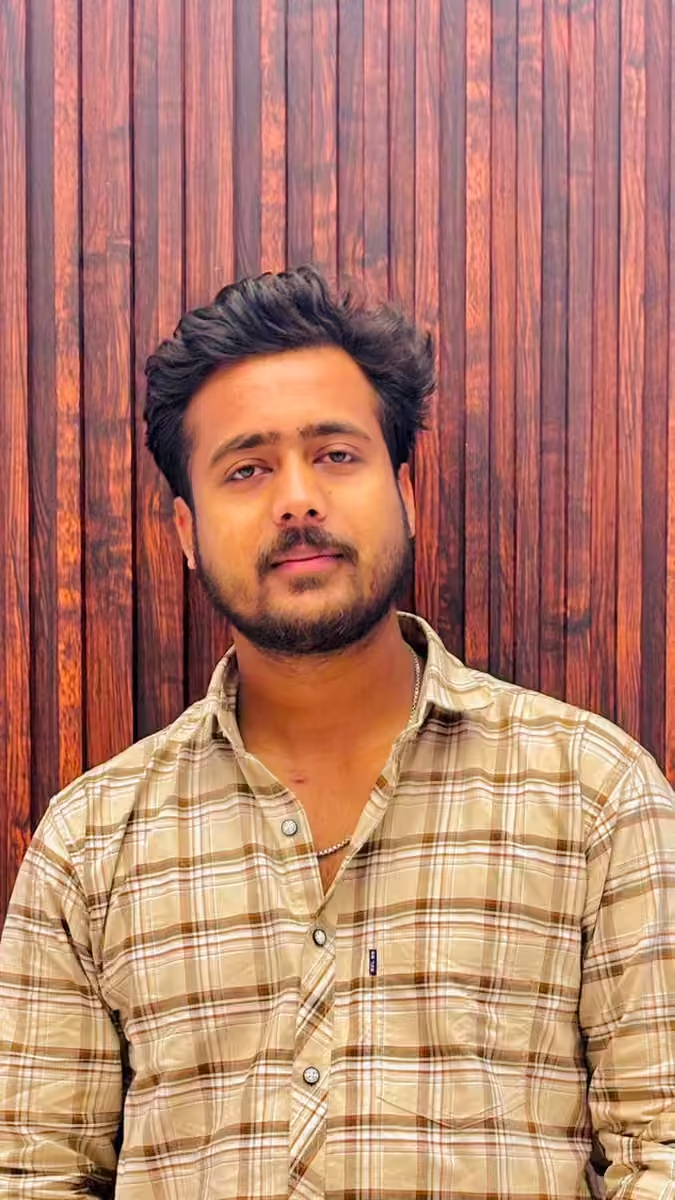
Ayodhya & Varanasi Specialist
“I founded Trip My Ayodhya with a single sacred commitment: To ensure every devotee and senior citizen visiting Ayodhya, Varanasi & Prayagraj experiences divine darshans, serene Saryu & Ganga aartis, and authentic local care—with zero commission pressure and 100% transparent pricing.”
Direct coordination to schedule Ram Mandir and Kashi Vishwanath darshan smoothly without midday gate closures.
Doorstep pickup from Lucknow, Ayodhya Airport, or Varanasi Cantt with verified polite chauffeurs.
100% upfront pricing with zero commercial commission stops or unauthorized priest donation pressure.
A sacred pilgrimage to Ayodhya & Kashi is not a standard sightseeing tour. We eliminate rush, queue anxiety, and commercial pressure so you can focus entirely on Bhakti and Darshan.
We pace your day around actual Ram Mandir Aarti, Saryu Maha Aarti, and Kashi Vishwanath Saptarishi Aarti timings with zero artificial rushing.
Dedicated AC sedan or Innova Crysta with vetted, courteous local chauffeurs. Doorstep pickup from Lucknow, Ayodhya Airport, or Varanasi Cantt.
Fluent Hindi & English speaking native guides who share authentic Ramayana & Shiva Purana katha, crowd-free entry pathways, and temple history.
Minimal walking routes, battery golf cart coordination along Ram Path & Kashi Corridor, wheelchair support, and comfortable rest pacing.
All state highway tolls, interstate permits, parking charges, and driver allowances are locked upfront. What you see is what you pay.
Direct WhatsApp and phone assistance during your trip for live crowd updates, emergency support, and on-ground coordination.
Clear business identity, practical local assistance and services explained before you book.
GSTIN displayed for business identity and billing transparency.
Trip My Ayodhya operates as a unit of Trip My Bharat for pilgrimage and travel coordination.
Applicable services and charges are explained before booking, with GST details available on invoices.
Our team assists travellers across Ayodhya, Varanasi, Prayagraj and nearby pilgrimage destinations.
GST registration confirms the stated business identity; temple entry and darshan arrangements remain subject to official temple rules and availability.
Build a comprehensive sacred circuit connecting Ayodhya, Kashi, Prayagraj, and Gaya with private sanitised AC cabs, luxury hotels, and local guide coordination.
The divine birthplace of Lord Shri Rama on the banks of River Saryu. Home to the grand Ram Mandir and ancient sanctums.
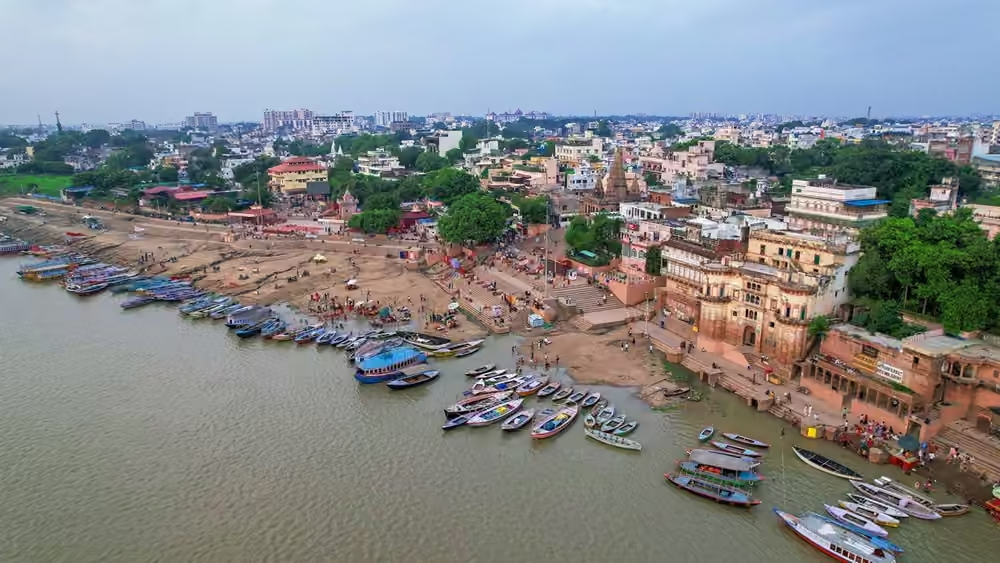
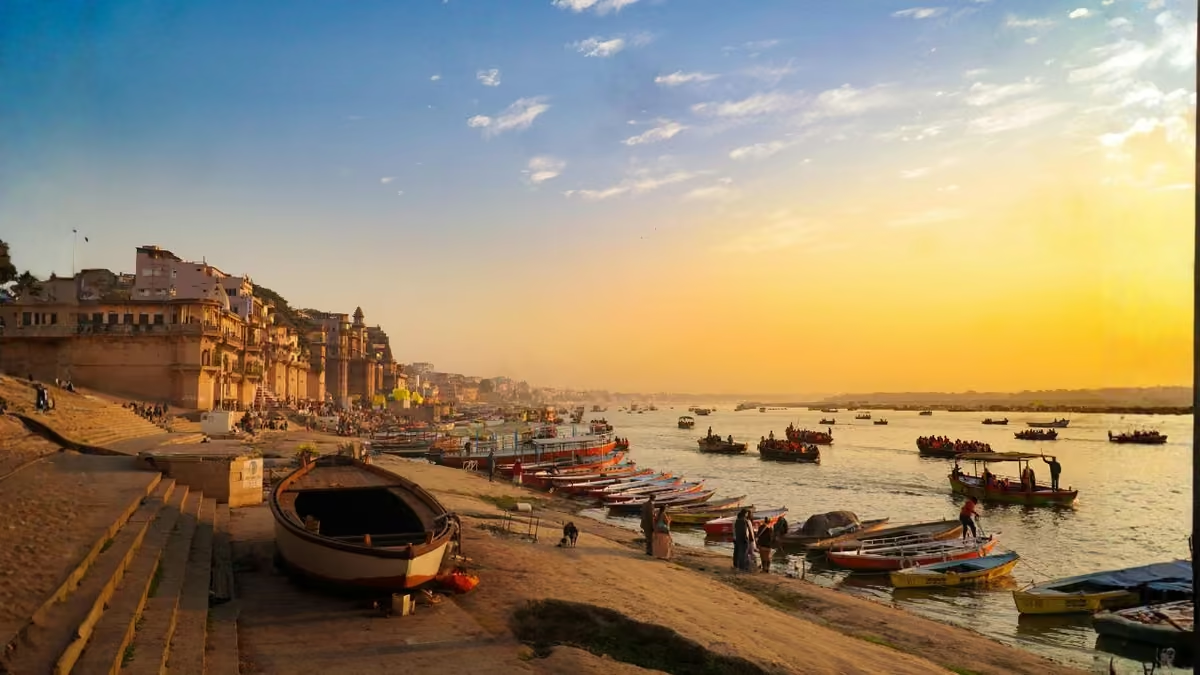
The oldest living city on Earth. Experience sacred Ganga aarti, narrow ancient lanes, and the golden spire of Kashi Vishwanath.
The sacred meeting point of the holy rivers Ganga, Yamuna, and mystical Saraswati. The sacred realm of Kumbh & Sangam Snan.
Sacred ancestral liberation at Vishnupad Mandir on Phalgu River and the UNESCO World Heritage Mahabodhi Temple.
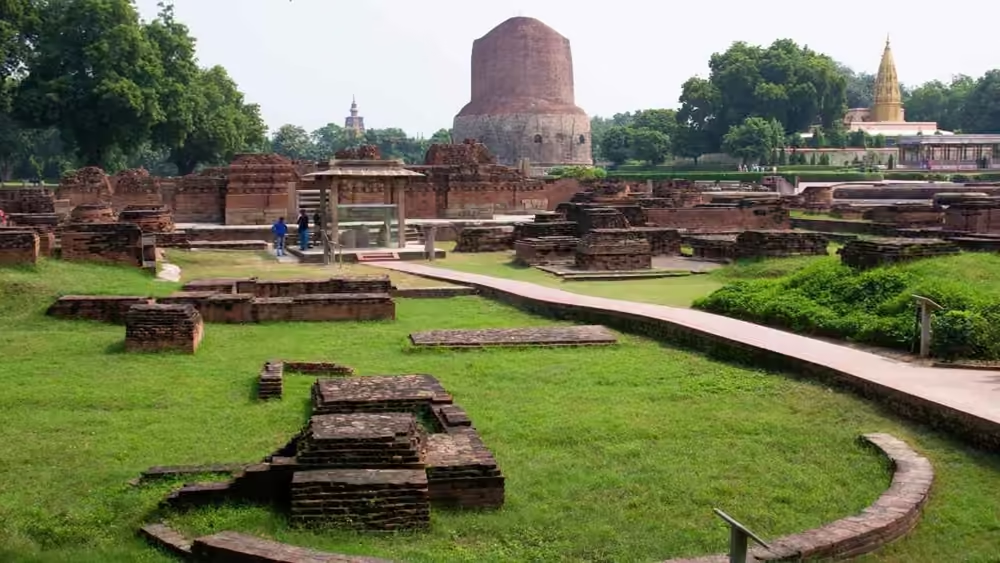
The peaceful deer park where Gautama Buddha taught the Dharma after enlightenment. Home to Dhamek Stupa and Ashoka Lion Capital.
Seamlessly combine Ayodhya Ram Lalla darshan with Varanasi Kashi Vishwanath, Saryu Aarti, and Ganga boat rides with private cab.
Top tour packages loved by families and devotees, with private AC cabs, Ram Mandir darshan guidance & verified hotel stays.
4 DaysGrand Holy Circuit7 DaysGrand Holy Circuit5 DaysGrand Holy Circuit6 DaysGrand Holy Circuit4 DaysGrand Holy Circuit4 DaysGrand Holy Circuit4 DaysGrand Holy Circuit7 DaysGrand Holy Circuit5 DaysGrand Holy Circuit6 DaysGrand Holy Circuit4 DaysGrand Holy Circuit4 DaysGrand Holy CircuitBoth sacred holy cities experience unique festival splendors and weather conditions. Choose the best month aligned with your family's comfort and festive aspirations.
The golden season for Ayodhya Varanasi tour packages. Ideal for senior citizens, walking along the ghats, and exploring temples comfortably.
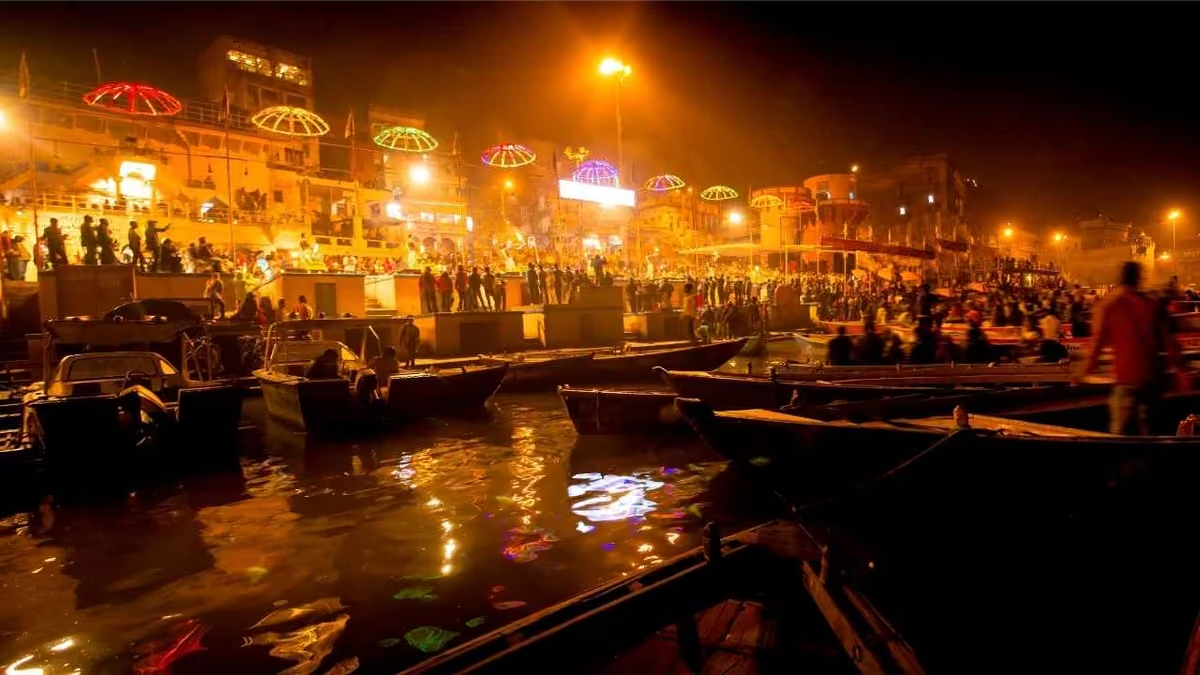
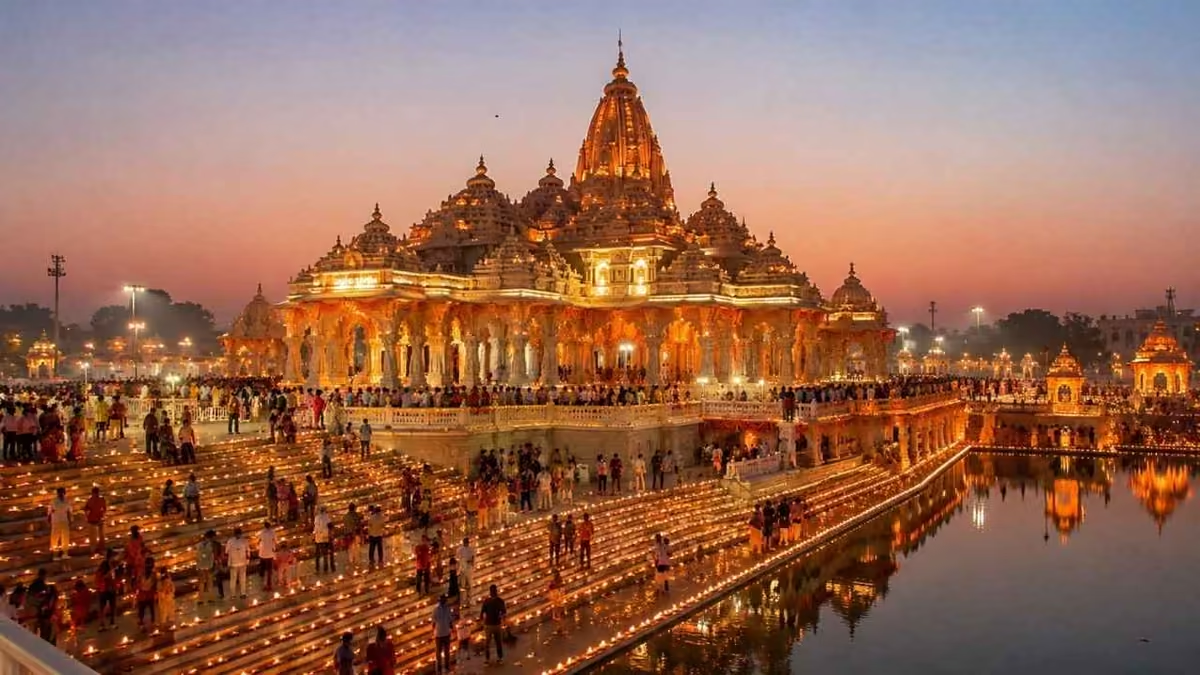
Witness the spiritual zenith of India: 25+ lakh earthen lamps illuminating Ram Ki Paidi in Ayodhya and all 84 ghats of Varanasi glowing on Dev Deepawali.
The divine appearance day of Maryada Purushottam Lord Rama celebrated with astronomical Surya Tilak, 24/7 Akhand Ramcharitmanas, and rath yatras.
Lord Shiva’s most auspicious month. Millions of devotees offer holy Ganga jal to Baba Kashi Vishwanath while Ayodhya celebrates Jhulan Utsav.
Temples observe afternoon bhog closures. Here is how our local Ayodhya experts sequence your morning and evening darshans for a smooth, rush-free spiritual experience with maximum comfort for elders and families.
Begin your sacred day with a peaceful dip at Ram Ki Paidi or Naya Ghat along the holy River Saryu in the serene morning breeze.
Experience divine Ram Lalla darshan inside the grand Nagara-style sanctum with guided entry through Ram Path without confusion.
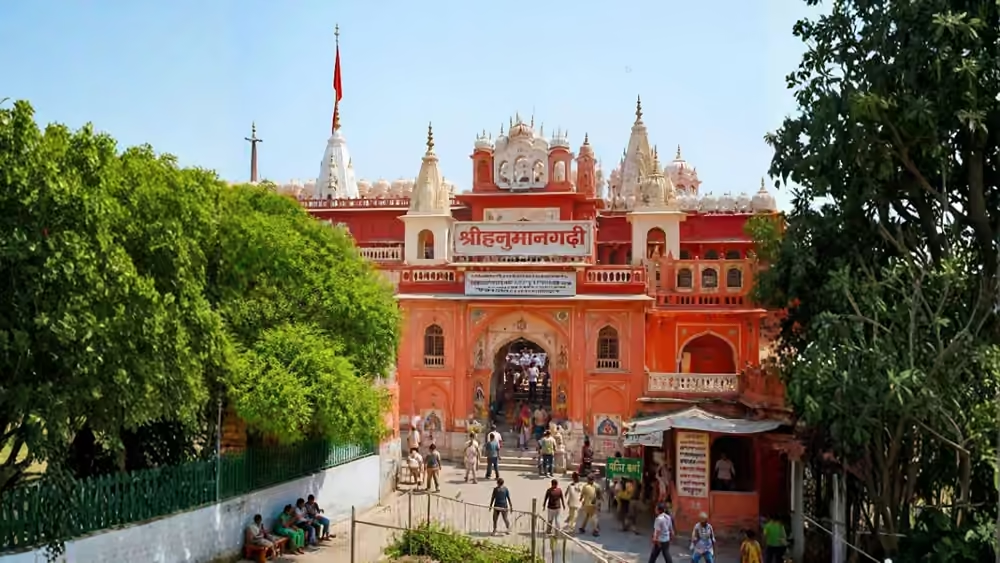
Climb the 76 steps to seek blessings at Bajrangbali’s fortress shrine, then admire the royal golden palace gifted to Mata Sita.
Relax during midday temple closing hours (12:00 PM – 2:00 PM). Enjoy pure Satvik vegetarian food and elder-friendly AC cab rest.
Conclude your divine day admiring synchronized multi-tiered brass lamp aartis at Saryu Ghat and mesmerizing heritage lights.
Select a travel pace that fits your family and schedule — from comfortable 2-day breaks to assisted senior-citizen yatras across Ayodhya and Kashi.
Cover core iconic temples of Ayodhya Dham at a comfortable, peaceful pace.
Grand circuit uniting Lord Rama’s birthplace with Lord Shiva’s eternal city Kashi.
Special arrangements for parents and elders with minimal walking and golf cart transfers.
Witness 25+ lakh diyas at Ayodhya Deepotsav and the glowing 84 ghats of Varanasi on Dev Deepawali.
Select the perfect duration matching your family schedule, doorstep transit, and devotional preferences.
Cover Shri Ram Janmabhoomi Mandir, Hanuman Garhi, Kanak Bhawan, Dashrath Mahal, and the evening Saryu Maha Aarti at Ram Ki Paidi.
Day 1 covers Ram Mandir, Hanuman Garhi & Saryu Aarti. Day 2 covers Surya Kund, Nageshwarnath Temple, Guptar Ghat & Kanak Bhawan with hotel stay.
Grand yatra combining Ayodhya Ram Mandir & Saryu Aarti with Varanasi Kashi Vishwanath Jyotirlinga, Dashashwamedh Ganga Aarti, and Sarnath.
Designed specially for parents and senior citizens with minimal walking, battery golf carts along temple paths, clean rest stops, and slow-paced darshans.
Book verified private AC car packages with doorstep pickup from Lucknow, Varanasi, Delhi NCR, Prayagraj, Gorakhpur, or direct Ayodhya Airport.
Includes private sanitized AC vehicle, vetted local chauffeur, all state tolls, parking fees, and doorstep pickup from Lucknow.
Enjoy a peaceful Ayodhya & Kashi yatra with honest fixed pricing, safe family cabs, and friendly local guide assistance.
Locally run by resident sevaks of Ayodhya & Varanasi with over 8+ years of honest service to visiting families and devotees.
What we quote is final. Expressway tolls, parking fees, driver allowance, and road taxes are all included. No hidden or surprise charges.
Our private cab drivers are polite local residents who respect family privacy, help elderly parents, and keep clean AC vehicles.
We never take you to commission shops or force you to buy expensive items. Your darshan is peaceful, honest, and 100% hassle-free.
Meet our local pilgrimage coordinators on the ground or consult with our team 24/7 for smooth Ram Mandir, Kashi Vishwanath & Triveni Sangam darshan.
Essential geographic benchmarks, inter-city driving times, and verified temple operating windows for holy Uttar Pradesh pilgrimage planning.
Ram Janmabhoomi + Hanuman Garhi + Kanak Bhawan + Saryu Evening Maha Aarti.
Complete Ayodhya: Ram Mandir, Dashrath Mahal, Surya Kund, Nageshwarnath & Guptar Ghat.
Ayodhya Ram Mandir + Varanasi Kashi Vishwanath + Dashashwamedh Ganga Aarti + Sarnath.
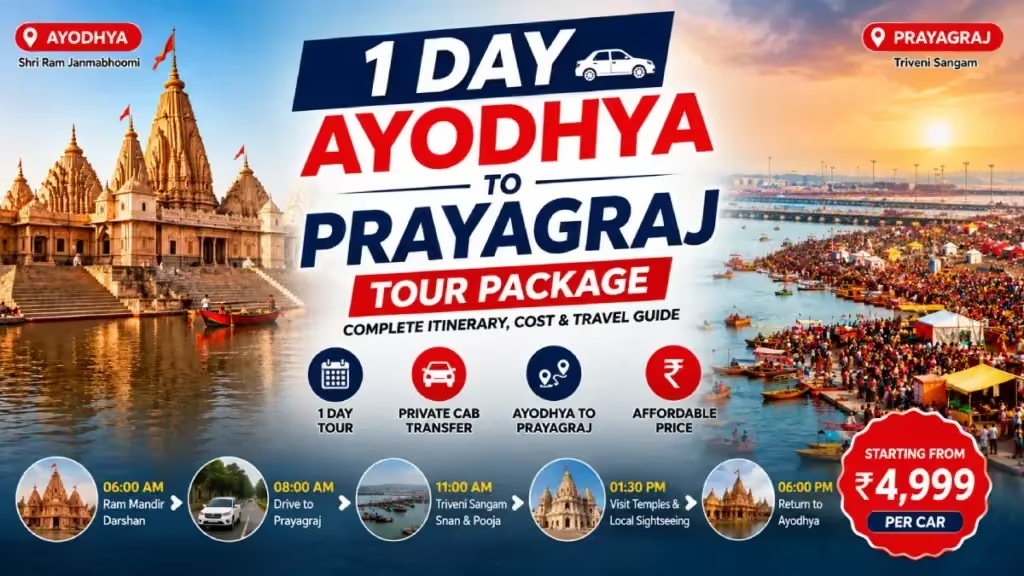
Ayodhya + Varanasi + Prayagraj Triveni Sangam + Gaya & Bodh Gaya Pind Daan.
Private Sanitized AC Cab Benchmarks
Sacred Darshan Schedules & Operating Hours
Temple opening and closing hours may vary during different seasons, festivals and special religious occasions. Please confirm the current darshan schedule with the temple administration before planning your visit.
Last verified: March 2026
Sugam Darshan & Aarti passes available; free automated digital locker facilities near gate.
76 stone steps to climb (senior ramps available); midday bhog closure 12:00 PM to 04:00 PM.
Gifted by Queen Kaikeyi to Mata Sita; exquisite Bundelkhandi architecture.
Ganga Corridor access. General darshan pauses 11:15 AM–12:20 PM (Bhog) & 07:00 PM–08:30 PM (Saptarishi Aarti). Mangala Aarti at 03:00 AM.
World-famous synchronized brass lamp maha aarti; boat viewing strongly recommended.
The best time to visit Ayodhya and Varanasi is October to March, when temperatures sit pleasantly between roughly 10°C and 28°C and temple alleyways are comfortable on foot. October and November are the calmest months. November brings Kartik Purnima & Dev Deepawali, while March and April bring Ram Navami celebrations. Avoid May and June, when midday heat makes long temple days tiring. From mid-December to late January, dense morning fog can occasionally delay trains, so a pre-booked private AC car transfer keeps your pilgrimage strictly on schedule.
Three days is the sweet spot for most devotee families: Ayodhya Ram Janmabhoomi, Hanuman Garhi, and Saryu Maha Aarti on days one and two, followed by a scenic Purvanchal highway drive to Varanasi for Kashi Vishwanath and the grand Dashashwamedh Ganga Aarti on day three. A 2-day express trip is possible for headline shrines. Adding four to five days lets you include the sacred Triveni Sangam Snan at Prayagraj and the historic Deer Park at Sarnath at a calm, non-rushed pace.
We arrange doorstep airport pickup and local cab transfers from Lucknow, Ayodhya, and Varanasi. Note that winter morning fog from mid-December to late January can delay trains, so a pre-booked highway road transfer keeps your pilgrimage on time — explore our full range of Ayodhya & Varanasi tour packages by car.
Clear, authoritative factual answers by local pilgrimage guides to make your visit to Ram Mandir and Kashi Vishwanath smooth, relaxed, and worry-free.
Lucknow se Ayodhya NH-27 4-lane national highway sabse smooth aur fast route hai. Lucknow Airport (Amausi) ya Charbagh Station se Ayodhya car se lagbhag 2.5 ghante lagte hain. Highway par clean family food courts aur dhabas available hain. Vande Bharat Express train bhi Lucknow se Ayodhya ke beech direct chal rahi hai.
Shri Ram Janmabhoomi Teerth Kshetra portal par Sugam Darshan aur Aarti ke daily slots release hote hain. Agar online pass na mile toh general queue system automated aur elderly-friendly hai, jisme 45 se 60 minutes me darshan ho jate hain. Electronic gadgets aur leather belts free locker facility me deposit hote hain.
Ayodhya Ram Mandir subah 6:30 AM khulta hai aur dopahar 12:00 PM se 2:00 PM tak bhog ke liye vishram karta hai, fir raat 10:00 PM tak darshan hote hain. Hanuman Garhi Mandir subah 4:00 AM (Summer) / 5:00 AM (Winter) se khulta hai, dopahar 12:00 PM se 4:00 PM bhog vishram rehta hai, aur sham 4:00 PM se raat 10:00 PM tak darshan khule rehte hain. Varanasi me Kashi Vishwanath Mandir subah Mangala Aarti 3:00 AM se shuru hokar raat 11:00 PM tak khula rehta hai.
A 3-Day tour perfectly balances Ayodhya Ram Mandir, Hanuman Garhi, Saryu Aarti with Varanasi Kashi Vishwanath Jyotirlinga, Dashashwamedh Ganga Aarti and Sarnath. Agar aap Prayagraj Triveni Sangam Snan aur Bade Hanuman darshan bhi chahte hain toh 5 Days / 4 Nights package best choice hai.
Ayodhya me Ram Path, Tedhi Bazaar, aur Naya Ghat ke paas rukna best hai jahan se Ram Mandir aur Saryu riverfront walking ya short e-rickshaw distance par hain. Varanasi me Godowlia Chowk aur Dashashwamedh Ghat corridor ke paas rukne se Subah-e-Banaras boat ride aur Vishwanath darshan easy rehta hai.
Hamare sabhi private tour packages me dedicated Sanitized AC Cab, state highway tolls, inter-district permits, driver food and night stay allowance, fuel, aur standard railway station / airport parking charges fully included hote hain without any extra demands.
Everything you need to know about Ram Mandir & Kashi Vishwanath darshan timings, private cab pricing, senior citizen assistance, and customized Ayodhya Varanasi tour packages.
Ayodhya is well-connected by air, rail, and expressways. Maharishi Valmiki International Airport (AYJ) has direct flights from Delhi, Mumbai, Ahmedabad, and Bangalore. From Lucknow Airport/Charbagh, it is a comfortable 2.5-hour drive (135 km) via Purvanchal / Gorakhpur highway. From Varanasi, it takes about 3.5 to 4 hours (215 km) via Vande Bharat Express or private AC cab.
Shri Ram Janmabhoomi Mandir is open for devotees daily from 06:30 AM to 12:00 PM and 02:00 PM to 10:00 PM (with a midday 12:00 PM – 02:00 PM Bhog & Shringar rest interval). Mangala Aarti is performed at 04:30 AM, Shringar Aarti at 06:30 AM, Rajbhog at 12:00 PM, Sandhya Aarti at 07:00 PM, and Shayan Aarti at 10:00 PM.
Yes, absolutely. We arrange golf carts, wheelchair assistance, doorstep cab pickup, and priority darshan queues for senior citizens at Ram Mandir and Hanuman Garhi to minimize walking distances.
A 3-Day or 4-Day package is ideal. In 3 to 4 days, you can cover Ram Janmabhoomi, Hanuman Garhi, Kanak Bhawan, Saryu Maha Aarti in Ayodhya, and transfer to Varanasi for Kashi Vishwanath Jyotirlinga, Dashashwamedh Ghat evening Ganga Aarti, Assi Ghat Subah-e-Banaras, and Sarnath.
Our tour packages include private AC transport, an experienced driver and sightseeing support according to the selected itinerary. Multi-day packages generally include hotel accommodation and breakfast, while same-day tours focus on local transfers and sightseeing. Boat rides, local guides, special darshan arrangements and other activities are included only when specifically mentioned in your package quotation. We provide a clear list of inclusions, exclusions and applicable charges before booking confirmation.
Yes! Our 6-Day and 7-Day complete holy pilgrimage packages seamlessly cover Ayodhya (Ram Lalla), Prayagraj (Triveni Sangam Snan), Varanasi (Kashi Vishwanath & Ganga Aarti), and Gaya / Bodh Gaya (Pind Daan & Mahabodhi Temple).
Private Ayodhya tour packages start from ₹1,499 per person for a Same Day trip. Our popular 2 Days / 1 Night package starts at ₹2,499 per person with AC cab, hotel stay, and local sightseeing.
Yes. We provide 24/7 doorstep pickup and drop from Ayodhya Airport (AYJ), Ayodhya Dham Junction, Ayodhya Cantt, Lucknow Airport (LKO), Varanasi Airport (VNS), and Varanasi Cantt railway stations.
Speak directly with our local guides for tailored darshan tips, taxi routes, and wheelchair support.
Many people arrive in Ayodhya, Varanasi, and Prayagraj with excitement. They have heard timeless stories of temples, devotion, and old traditions. But when they actually reach here, they realize something simple. Sacred pilgrimage towns are not places you only see. They are places you slowly understand and absorb. A dedicated Trip My Ayodhya guide helps travellers move through these sacred alleyways with calm understanding instead of confusion.
Verified Ram Mandir darshan schedules, Saryu & Ganga aarti timings, Kashi Vishwanath routes, and local travel tips.
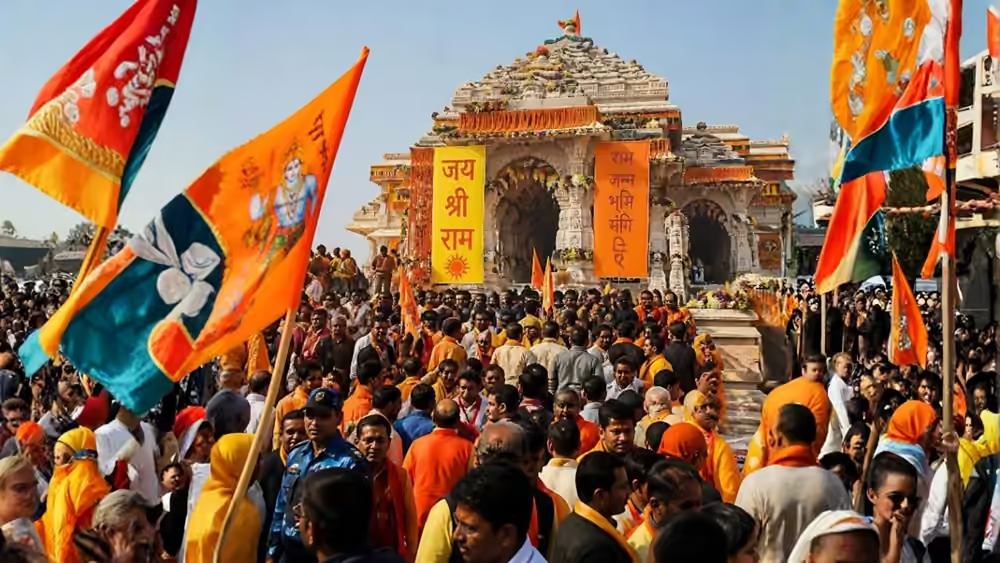
The cost per person for an Ayodhya–Varanasi–Prayagraj tour ranges from ₹5,499 (shared tempo traveller group tour) to ₹28,999+ (luxury private package). A realistic mid-range budget with a private cab and 3-star hotels is ₹8,999–₹14,999 per person. A couple in a private sedan pays ₹12,999 per person for transport, while a group of 10+ pays ₹8,499 per person for the same route. The UPSTDC Spiritual Triangle package costs ₹14,400 per person in a sedan (minimum 4). General darshan at Ram Mandir, Kashi Vishwanath, and Triveni Sangam is free. Hotel rates range from ₹800–₹1,500 (budget) to ₹3,000–₹6,000 (premium). Food costs ₹200–₹600 per person per day. For a fixed, transparent per-person quote, contact Rohit at 7078723132 or visit tripmybharat.com.
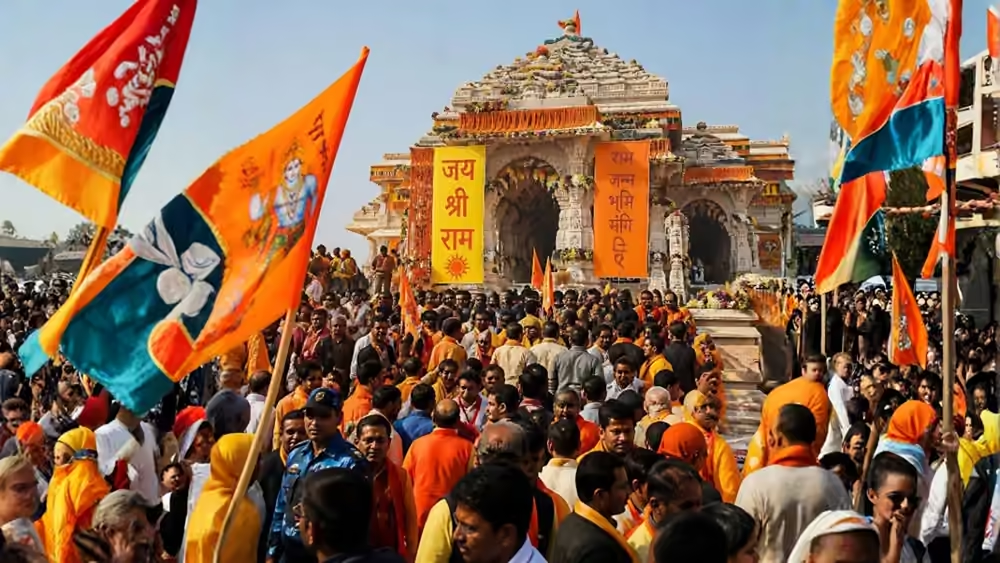
The best time to visit Ayodhya is October to March, when temperatures stay between 12°C and 28°C and the weather is comfortable for temple visits and the Saryu Aarti. January and February are the calmest and coolest months. November brings Deepotsav and the million-diya spectacle, but also peak crowds and 2–4x hotel prices. May and June are brutally hot, with highs crossing 40°C, and should be avoided. July to September is monsoon season — quiet, green, and humid, with the shortest darshan queues. For elders, photographers, and budget travellers, the right month depends on your priority. For a season-wise Ayodhya package with darshan assistance, contact Rohit at 7078723132 or visit tripmyayodhya.com.
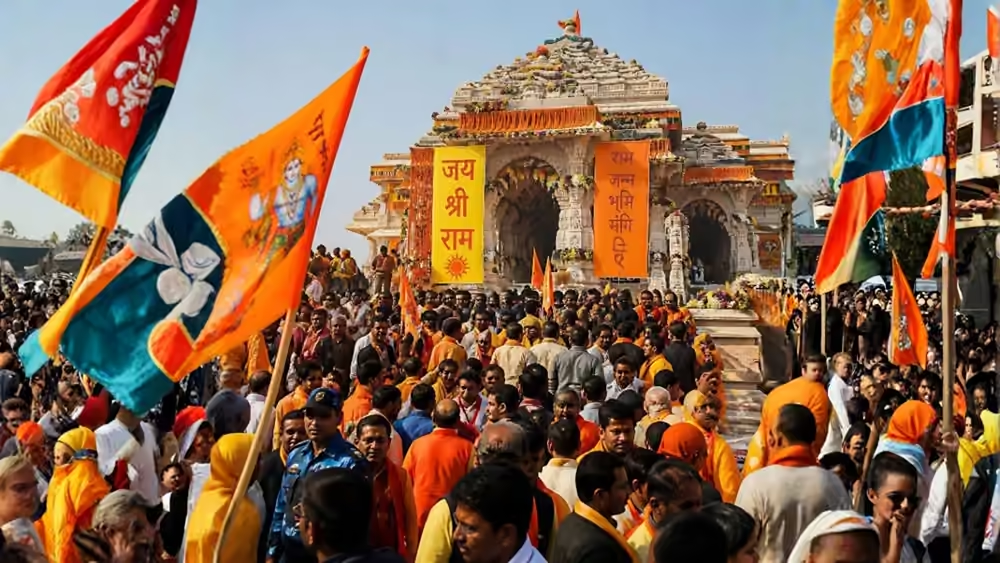
Parking charges, vehicle-entry restrictions and penalties may change during festivals, peak pilgrimage periods and special traffic arrangements in Ayodhya. Visitors should use designated parking facilities and follow the instructions of local traffic authorities. Before travelling, confirm the current parking rates, permitted vehicle access and last-mile transport arrangements through official notices or the parking operator.