Trip My Ayodhya is your trusted travel guide for Ayodhya tours, Ram Mandir दर्शन, spiritual journeys, hotel bookings, and local experiences, helping devotees explore the divine beauty and culture of Ayodhya comfortably.
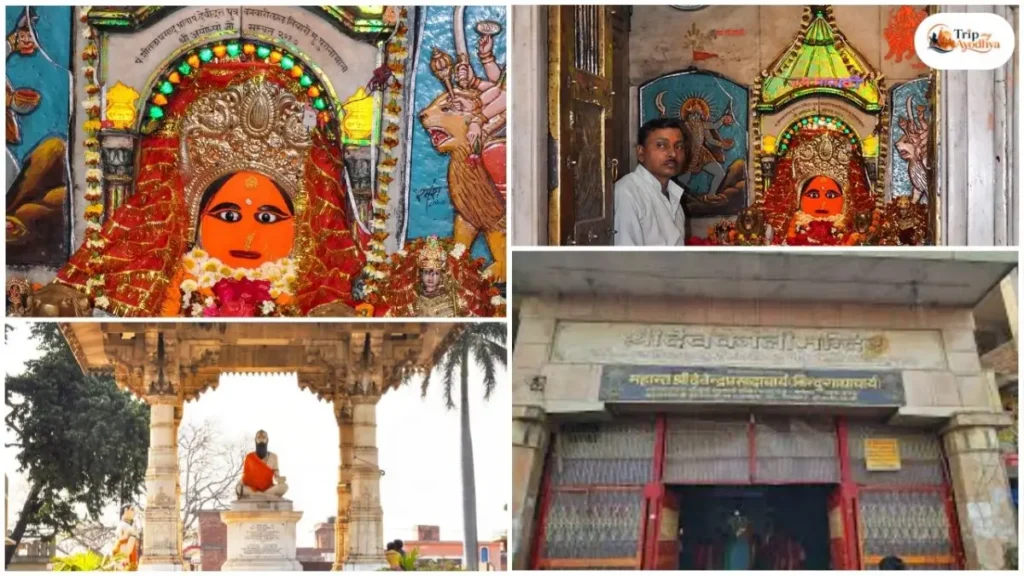
Chhoti Devkali Temple at Ayodhya is a famous devotional center of Goddess Devkali who is greatly loved by the devotees there. It is near Naya Ghat and temple goes with local Ramayana legends and is a major place of devotion and is visited by people from different parts with faith and hope of getting their prayers fulfilled through the Divine Mother.
One can relax and meditate here which definitely makes this temple one of the places to be visited by a pilgrim to Ayodhya especially when there is a combination of places like Ram Ki Paidi, Nageshwar Nath Temple and several others that have historical temple ruins. This article provides you with complete information about Chhoti Devkali Temple, i.e., history, timings, aarti timings, fees, location and religious significance which besides also gives some very useful tips on how to plan your visit to the place for darshan.
Quick answer: Chhoti Devkali Temple is a Devi shrine in Ayodhya associated with traditional stories of Goddess Girija/Devkali and Sita. The Government of India’s Incredible India tourism portal currently lists visiting hours as 6:30 AM to 9:00 PM. Publicly available tourism information lists no general entry fee, although temple practices or special arrangements can change on festival days.
Before travelling to any major pilgrimage site, it helps to have the basic information at hand. Here is the practical information most visitors need.
Information
Details
Temple Name
Chhoti Devkali Temple
Location
Ayodhya, Uttar Pradesh
Area
Near the Naya Ghat side of Ayodhya
Deity
Goddess Devkali
Chhoti Devkali Temple Timings
6:30 AM to 9:00 PM, according to Incredible India
Entry Ticket Fee
No general entry fee is publicly listed
Best Time for Darshan
Early morning or evening
Main Festival Periods
Navratri and other Devi-related celebrations
Nearby Attractions
Naya Ghat, Ram Ki Paidi, Nageshwar Nath Temple and other Ayodhya temples
The official Ayodhya district website presents the temple as Deokaali and situates it close to Naya Ghat. The site is also identified as one of religious importance tied to the Ramayana. There are some discrepancies reported in the timings. The Incredible India portal currently states from 6:30 AM to 9:00 PM, but other tourism outlets display the opening time as early as 5:00 AM to 4:00 AM as well.
This change in timing occurs mainly because opening the temple (temple entry), performing temple rituals during a special period and allowing devotees (public darshan) to see the deity is not all identical at one time. To avoid a problem, especially visiting at Navratri with a time limit it’s better to check the local schedule first, to know the schedule for that day.
Entry ticket for Chhoti Devkali Temple?
Usually Not. From information found in the Ayodhya tourism leaflets, the temple entry fee for Chhoti Devkali Temple is given as Zero. Generally, one does not have to pay an average tourist ticket to view darshan. However, this only refers to admission, it doesn’t say every event or item happening or selling inside a temple is free.
Therefore, one can expect that some items may be charged apart from general admission. If you are going to pay anything, donations, prasad, puja, offerings at the doorstep, or special services of a religious kind will all be separate from the entry fee. Think of these as non-compulsory expenses; it helps to ask the sum first before consenting to the payment of any service.
Hours Chhoti Devkali Temple
You can, if you like, present the visiting schedule in a clearer way like this, using the latest timings that you have mentioned :
Day
Morning Timings
Evening Timings
Total Visiting Hours
Monday
6:00 AM – 8:00 AM
6:00 PM – 8:00 PM
4 Hours
Tuesday
6:00 AM – 8:00 AM
4:00 PM – 8:00 PM
6 Hours
Wednesday
6:00 AM – 8:00 AM
4:00 PM – 8:00 PM
6 Hours
Thursday
6:00 AM – 8:00 AM
4:00 PM – 8:00 PM
6 Hours
Friday
6:00 AM – 8:00 AM
4:00 PM – 8:00 PM
6 Hours
Saturday
6:00 AM – 8:00 AM
4:00 PM – 8:00 PM
6 Hours
Sunday
6:00 AM – 8:00 AM
4:00 PM – 8:00 PM
6 Hours
Best Time to Visit Chhoti Devkali Temple
For a peaceful darshan, 6:00 AM to 8:00 AM is generally the most convenient visiting window. The evening 4:00 PM to 8:00 PM period is also suitable, especially for visitors combining the temple with nearby Ayodhya attractions. During festivals such as Navratri, timings and crowd conditions may change.
Chhoti Devkali Temple Aarti Timings
Published sources show slightly different schedules, so it is better to present the commonly reported aarti timings rather than claim one fixed daily schedule.
Aarti / Puja
Timing
Morning Aarti
6:00 AM
Bhog Aarti
11:00 AM
Evening Aarti
4:00 PM
Shayan Aarti
8:00 PM
It is clear from the different lists of the temple that a Mangala Aarti would take place around 6:30 am in winter, Bhog Aarti at 11:00 am and an evening aarti at approximately 6:30 pm so ritual timings may be changing depending on the season and temple’s work schedule.
Recommended Aartis to Attend
For visitors who are more interested in taking part in spiritual activities, early morning aarti at around 6:00 am and evening aarti at approximately 4:00, 6:30 pm are the most recommended to consider for visitors.
Occasionally during the festival of Navratri or other events, the temples may have altered timings for rituals and have extra ceremonies scheduled.
Temp history of Chhoti Devkali Temple and religious significance
The uniqueness of Chhoti Devkali temple lies not only in its setting. It’s mainly the religious culture associated with Goddess Devkali and the Ramayana that make the temple special.
Government website for the district of Ayodhya, UP states that the temple has links with various Ramayana traditions. The narrative is, Mother Sita came to Ayodhya after her marriage to Lord Rama by holding an icon of goddess Girija Devi in her hand. Dashrath, the king, is traditionally said to have constructed a temple for her deity, where Sita worshipped the goddess.
The temple presently has the image of Goddess Devkali that’s a local version of the Devi. As far as the story goes, this temple forms the part of Ayodhya’s overall religious setup, where most of the places are connected by events that were memorable to people through Hindu traditions, sacred scriptures and local beliefs, respectively.
Why is Chhoti Devkali a point of attraction for devotees?
The main reason for the temple to be important for the devotees is its association with the feminine divine power, i.e., Shakti, at one with the sacred land of Ayodhya. Devotees visit the temple regularly to bring flowers, prayers, and other offerings to Goddess Devkali, as they also do for other Hindu deities. Also, since it the shrine the smaller one the devotion experienced is also quite different from that in major holy city centers such as Ayodhya.
One who stays in the city for several days can be quite surprised when coming to Chhoti Devkali as a quiet place to meditates and prays between two more important temple visits.
Goddess Devkali becomes particularly significant during Navratri, when the entire temple premises get energized with Devi worship that is going on everywhere in Ayodhya. Some other temple information sources also mention special aartis are performed and other religious programmes are arranged depending on who is observing Navratri in the temple.
A word about the history that is over many centuries of the shrine.
It’s quite natural that one will get online articles describing the shrine has been there for at least thousands of years or, if not, they will make very specific historical claims about it. We suggest that if you are reading articles from those sources, please take the words with a grain of salt.
The official version of these Ramayana related religious stories is given and supported by the districts’s site, but in case you get a reference that talks about archaeologics of the temple, it’s very probable that you are dealing with a different kind of document or an article. After getting to know this difference you’ll have an insight for the future.
Ayodhya definitely is one of the oldest city in the history and has a long tradition of religious sanctities. But remember even if a religious tradition is quite old, it is not compulsory for the temple building it belongs to have the same age.
What is Darshan at the Chhoti Devkali Temple like?
Chhoti Devkali Temple visit is usually simple, but you may need some minor preparation to make your darshan pleasant and comfortable.
1. Keep your clothes decent
Hindu temples of Ayodhya are usually modest, comfortable attire is suitable. During the warmer season, wearing light clothing in traditional Indian style or in regular style may help.
2. Don’t be surprised that you may need to remove shoes
In general, footwear is not allowed in worship places of temples and visitors have to put shoes or sandals outside. So, wear shoes or sandals that are convenient and do not get separated.
3. Bring small gifts if you want
Common temple offerings include flowers, garlands, fruits and sweets. It is not necessary to buy expensive offerings at the temple shop, a simple offering is enough for having the blessing of the deity.
4. Be aware of where photography is not permitted
Photography is not allowed throughout the temple. Especially near the garbha griha of the sanctuary, there are strict rules about photography. So, it is important to check the signs and follow directions of the temple staff.
5. Plan extra time during festivals
The differences between a regular darshan and visiting the shrine during festivals can be very drastic. At the Navratri time or other big religious occasions, you might run against more crowds, slower speed of movement and restricted traffic around the main areas of Ayodhya.It is often better for families, senior citizens or tourists whose stay is short to visit the temple at dawn as this is the least crowded time.
Best Time to Visit Chhoti Devkali Temple
Choosing the right moment to visit the temple depends on the fact whether you come for temple darshan or to attend festivals mainly.
If you want a less congested temple visit
Early morning visit is the most convenient time. Going on your Ayodhya sightseeing right after sunrise could be the best time, not only to witness a calm and unhurried city, but also to meet a smaller number of visitors later through the day.
Another possibility is evening visit if you wish to take a walk by the illuminated ghats while making temple visits. After the sunset Ram Ki Paidi looks very charming against the night river. The district officials have pointed out that night lights at the ghats are a big tourist attraction.
Navratri time
Navratri is the most significant occasion of goddess worship, especially Devi. The crowd level may rise to a very heavy and it will be difficult to see anything at all if you are dressed like a tourist. So, don’t treat Navratri time as a normal weekday.
Get yourself ready to arrive in time, stick to your plan but be flexible. Do not try to see major attractions one after another very early on the list.
Some temple-oriented sources have explained that devotional activities such as aarti, special worship, etc., are performed during the Chaitra, Ashadh and Ashwin Navratri periods at the temple.
Summer season
Ayodhya gets very hot during the day in summer. If you are a tourist at this period, you probably won’t find an afternoon temple visit as pleasant one unless you have an umbrella or an umbrella parasol!
Winter season
To explore Ayodhya on foot without getting tired, autumn season starting in October to February is probably ideal though some mornings might be a bit cool. It is one of the best times to visit multiple temples and ghats in the area within a single day.
How to Get to Chhoti Devkali Temple in Ayodhya
Due to its association with the Naya Ghat area of Ayodhya, Devkali Temple will come as a part of a trip in Central Pilgrimage Circuit. The official Ayodhya district tourism website explicitly states that the temple is near the newly built Ghat.
From Ayodhya Railway Station
Railway travelers can take local auto-rickshaws, e-rickshaws or cabs that will help them reach the central temple area from railway station. The time it takes may depend upon, road blockage, traffic or crowds because of a festival etc. The Ayodhya District Administrative notice is that Railway stations in the city connect very well to big cities, and they also say that local surface transportation is very accessible.
Maharishi Valmiki International Airport in Ayodhya
This airport is ideal for those who are flying directly to the city. The official Incredible India site has the option of a direct flight to Ayodhya airport, Chotki Devkali Temple, with the Ayodhya nearest airport option, and Lucknow airport as a more extensive airport option for the rest.
Using e-rickshaws or auto-rickshaws
If the tourists are already staying in Ayodhya, going from temple to temple by e-rickshaw and auto-rickshaws might be helpful. Roads nearby a few major temples are, however, blocked or packed quite seriously, which is one of the disadvantages of going there with large crowds. During these types of visits to the temple, having a car that can bring one close to it is more likely one could go to the temple entrance, for instance, by oneself.
Places to Visit Near Chhoti Devkali Temple
A big bonus to visit Chhoti Devakili Temple is that it’s so easy that you can go together or at least close to all the other main sights of Ayodhya which will save you a lot of time and efforts of planning separate trips. According to the district tourism department, they listed Devakaalli, Ram Ki Paidi & Nageshwar Nath among some of the religious places of Ayodhya.
Ram Ki Paidi
It is a series of small steps made of stone that run along the bank of Sary river. Ram ki Paidi has been made accessible so that a person visiting the riverbank can sit back, relax, and enjoy the beautiful surroundings of the river at that time.
Alongside Ram Ji Paydi, in the city of Ayodhya, Nageshwar natha is one of the most remarkable Shiva temples. According to information provided by the district administration, it was established by prince Kush, son of Lord Rama, though the current construction is attributed to an 18th-century minister, Naval Rai, of Safdar jang who was the prime minister of Mughal Emperor of India.
This temple is not only a main stop for Hanuman devotees but also a sacred Hindu site where devotees come to offer their prayers and make their wishes on behalf of the Lord. Its significance lies in its association with a great event where Lord Hanuman, in human size, appeared before people and, with his divine power, brought about Lord Rama to be installed at a holy place. The District Administration states that the temple is a place associated with the worship of Lord Hanuman and can be easily located as it is 1 km away from Ayodhya railway station.
District administration is the place where the temple was built as per the orders given by Lord Rama to his beloved son Lakshmana after Rama killed Ravana. According to the legend, Rama gave a golden cow to the people of Ayodhya as a gift to Lord Shiva and asked Lord Rama to install the idol of the cow at His own temple on earth, and Lakshmana did the work of installing the idol inside the temple, which came to be known as Kanak Bhawan.
One Day Varanasi Itinerary Chhoti Devkali Temple Ayodhya
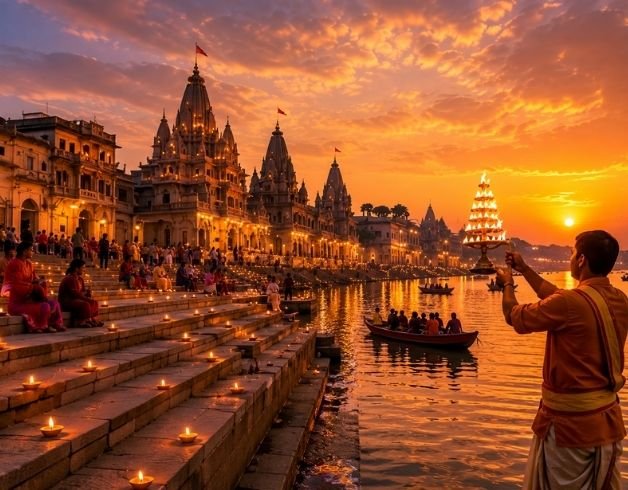
If you have just one day in Varanasi, the best approach is to start early and group nearby attractions together. This saves travel time and gives you enough time for temples, ghats, local food and the evening Ganga Aarti.
Reach Dashashwamedh Ghat and spend some time along the Ganga. Arriving early is advisable if you want an advantageous position for the evening ceremony.
6:30–7:30 PM – Ganga Aarti
Attend the famous evening Ganga Aarti at Dashashwamedh Ghat. The exact start time changes throughout the year with sunset and the local ritual schedule.
8:00 PM – Dinner
Finish your day with dinner and, if you still have energy, take a short evening walk through the illuminated lanes of Varanasi.
Book Your Chhoti Devkali Temple Ayodhya Tour Package with Trip My Ayodhya
Plan and enjoy a spiritually enriching travel experience in a very convenient way through the expert assistance of Trip My Ayodhya. Being a reliable and trusted company for pilgrimage tour management, we ensure your tours from a temple to a temple go like a dream. We have customized tours and comfortable transport. You need not only get the spiritual darshan but also have an enjoyable time in visiting local tourist spots while you are there. With our services, you will not have hotel booking or travel planning worries, as everything is already well arranged by us.
Visit Ayodhya, Varanasi, Mathura, and Vrindavan with a peace of mind as we handle things on our end so that you can devote your time and energy solely to experiencing a spiritual and religious trip. Select our package as the best of all your options if you want a hassle-free, pleasant, and unforgettable travel venture to the most holy places in India.
Bookings with Trip My Ayodhya What You Gain
Customized Tours We make the itineraries according to how the customer needs time and expenditure-wise
Travel in Comfort Our vehicles are kept in a good condition and the drivers are experienced
Celebrating Priority Darshan You will be able to save the time at temple visits if we handle temple visits well
Local Experts The tour is explained in detail with spiritual knowledge by an expert guide
Lower Cost There is a combination of many services with competitive price and no hidden fees
Available Anytime Service Customer support team will give you help for the rest of your adventure
Integrated Services All the necessary services like stay, transport, and sightseeing have to only be asked for once
Also BOOK: Same Day Ayodhya Tour Package – Itinerary – Explore the top temples and spiritual attractions of Ayodhya in one day with a well-planned sightseeing itinerary.
Some of the easy precautionary measures that will save your time and will also assist you in avoiding most of the common errors.
Check for the opening hours on that day. There is some inconsistency among published timings on different travel sites. The current timings for the official Incredible India listing say from 6:30 AM till 9:00 PM while other websites indicate earlier opening hours.
Therefore, plan your activities with the idea of changing them at the same time if the temples are too crowded. Ayodhya’s main pilgrim area can also get unexpectedly busy, especially at the time of Hindu festivals.
Have your pocketbook ready. Even though there is no charge for the temple, you may need some money for items in offerings, prasad, or for some local transport, etc.
Do not automatically pay for unsolicited tour guides or priests. It would be wise to clearly understand the purpose of requested donations or puja charge before making the payment.
Stay with the essentials. The large crowds in religious places make these zones very attractive to pickpockets, thus a cross-body pouch is definitely more suitable carrying method than leaving your handbags in hand.
Set aside more time if you are going from Navratri or any festival. The festival travel needs to be planned around the crowd rather than using an ordinary working days’ plan.
Keep your behavior in a way that does not cause any disturbance and respect the environment of spirituality, e.g., do not talk loudly, do not take photography intrustively, and make use pathways open during the worship.
Conclusion
The visit to Chhoti Devkali Temple Ayodhya is indeed a must for travelers who have in store an exploration deeper than merely the most famous Ram temples. It’s the temple of Goddess Devkali, Sita and her Devotional tales, as well as a location near Naya Ghat that enables an incorporation of this beautiful heritage into your overall Ayodhya pilgrimage.
For the sake of your itinerary, bear in mind that most frequently asked facts by the visitors include the opening hours of the temple according to Incredible India as 6:30 AM, 9:00 PM while general entry is declared as free in the public area. Besides, since timing details may vary greatly between different publications and festival special timings, the wisest thing is to ask locally that day at the spot.
For an effective pilgrimage, you should pair the visit of Chhoti Devkali Temple with that of Ram Ki Paidi, Nageshwar Nath Temple, Hanuman Garhi and Kanak Bhawan. That way you get a rich understanding of the religious culture of Ayodhya together with better use of your time.
Frequently Asked Questions About Chhoti Devkali Temple Ayodhya
Which temple is best to visit in Ayodhya?
Ram Janmabhoomi Temple is the most important temple for many visitors because of its connection with Lord Rama. However, Ayodhya has several significant shrines, including Hanuman Garhi, Kanak Bhawan, Nageshwar Nath Temple and Chhoti Devkali Temple. The best choice depends on your interests and available time.
Where is Chhoti Devkali Temple located in Ayodhya?
Chhoti Devkali Temple is located in the Naya Ghat area of Ayodhya, Uttar Pradesh. Its location makes it convenient to combine with nearby attractions such as Ram Ki Paidi, Nageshwar Nath Temple and other important religious sites in the central part of Ayodhya.
What should I see first in Ayodhya?
For a first visit, starting early with Ram Janmabhoomi Temple is a practical choice, followed by Hanuman Garhi and Kanak Bhawan. You can then visit Chhoti Devkali Temple, Nageshwar Nath Temple and Ram Ki Paidi according to your schedule.
When is Ayodhya Deepotsav in 2026?
Ayodhya Deepotsav is traditionally celebrated around the festival of Diwali, with the main celebrations taking place around the Diwali period. The exact official programme, dates and timings for the 2026 celebrations should be checked against announcements from the Uttar Pradesh government or Ayodhya district administration.
What are the Chhoti Devkali Temple timings?
The commonly listed visiting hours are 6:00 AM to 8:00 AM in the morning and 4:00 PM to 8:00 PM in the evening. Timings may change during festivals, special pujas and religious events, so visitors should verify the schedule on the day of darshan.
Is there an entry fee for Chhoti Devkali Temple?
There is generally no entry fee for visiting Chhoti Devkali Temple. Devotees may, however, choose to purchase prasad, flowers or make voluntary donations. Any special puja or religious service may have separate charges.
What is Chhoti Devkali Temple famous for?
Chhoti Devkali Temple is famous for its association with Goddess Devkali and traditional Ramayana-related beliefs. According to local religious tradition, Goddess Girija Devi was worshipped here in connection with Sita, making the shrine an important Devi temple in Ayodhya.
How far is Chhoti Devkali Temple from Ram Mandir Ayodhya?
Chhoti Devkali Temple and Ram Mandir are both located within Ayodhya’s important pilgrimage area, but the actual travel distance and time can vary depending on the route, traffic controls and pedestrian restrictions. It is practical to include both temples in the same Ayodhya sightseeing plan.
Our travel expert shares practical Ayodhya and Varanasi travel guidance, darshan updates, itinerary ideas, and local tips for a smooth pilgrimage experience.