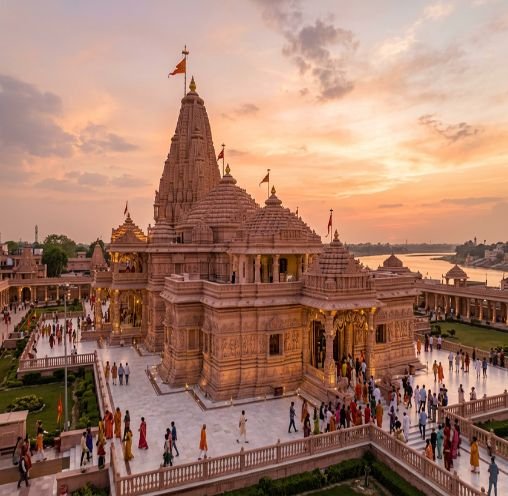
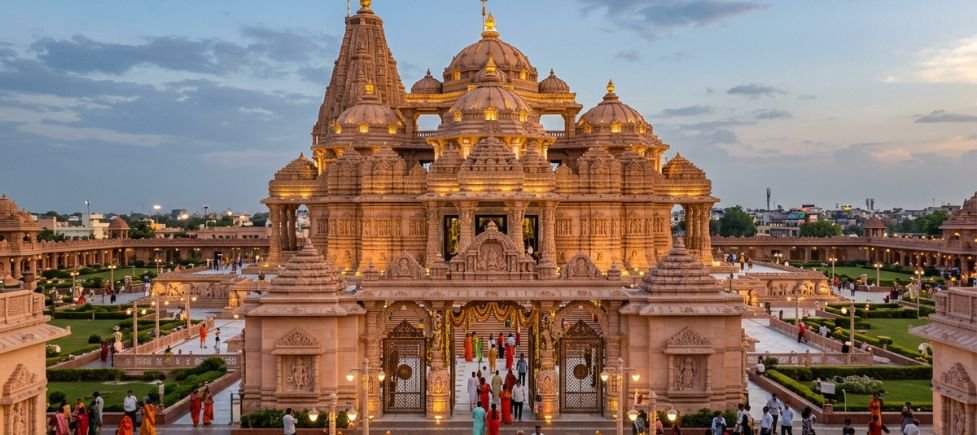



The Kaal Bhairav Temple is one of the most important Shiva temples in Varanasi, and this temple is dedicated to Lord Kaal Bhairav, a fierce form of Lord Shiva and destroyer (Kotwal) of Kashi. According to the Hindu tradition, a trip to Varanasi is incomplete without taking the blessings of Kaal Bhairav. It is a temple that devotees flock to pray for protection from bad energies, bravery, justice and obstacles. That is why this temple which has spiritual significance, ancient legends and a long tradition, is one of the must-visit destinations for pilgrims or travelers in Varanasi — the sacred city.
Kaal Bhairav Temple Varanasi Kaal Bhairav temple in the old city area of Varanasi in, dedicated to Lord Shiva, attracts thousands of devotees every day and especially during Hindu festivals like Bhairav Ashtami, Mahashivratri and Shravan month. All Visitors can have a peaceful darshan, perform traditional rituals like offer mustard oil and flowers to Samadhi point then visit places like Kashi Vishwanath Temple, Annapurna Devi Temple, Dashashwamedh Ghat. So, if you are looking for spiritual blessings or want to explore the large religious wealth of Varanasi or planning a Yatra- Kaal Bhairav Temple is here to offer an intense and unforgettable experience.
Why Kaal Bhairav Temple Is So Important
Kaal Bhairav Temple is very closely associated with the city in a spiritual way. Therefore, if a temple is visited without visiting this one, the visitor will miss getting the real spirit of Varanasi. In contrast to other temples where visitors basically go for getting blessings or good fortune, one would usually go to Kaale Bhairav to ask him to bless one with protection from fear, supernatural evil, court cases, accidents, etc.
Besides, it is also a common belief that worshipping at Kaal Bhairav’s shrine would counteract the ill effects of planetary doshas and bring courage to the heart. In other words, it is thought that Lord Kaal Bhairav keeps a record of all our deeds while we are in Kashi, so that is one reason it is recommended that one should do puja to Him before or after worshiping at Kashi Vishwanath.
Locals consider the temple not only as a center of religious activity but also as a symbol and necessity that a pilgrim going through the spiritual journey of Kashi absolutely cannot do without.
Who Is Kaal Bhairav?
Kaal Bhairav is one of the greatest fierce forms of Lord Shiva. His name breaks into “Kaal,” which means time and death (kalah kal), and Bhairav, a terrible-yet-liberating form that will destroy ignorance, fear and evil. To well-meaning devotees, this ugly god has right priorities — looking after the goodness in all of us and punishing the one who has gone astray.
He is commonly depicted with:
- Trishul (Trident): Represents cosmic power and mastery of creation, preservation and destruction
- Damaru (Drum): Symbolizes the pulse of the cosmos and materialisation of Time.
- Sword or Staff: Divine justice, severing of ego and illusion.
- The garland of skulls: degradation of the physical life and time circle.
- Black Dog (Vahana): His divine vehicle. Hindu worship acknowledges that feeding black dogs is a tradition that attracts Kaal Bhairav’s protectiveness and blessings.
Kaal Bhairav is no aggrandized deity only associated with materialistic richness, but a true incarnation of discipline, justice, unparalleled willpower and fearlessness.
The Legend of His Origin
Kaal Bhairav was created in dramatic fashion and this Hindu mythology is documented in several ancient scriptures, but chiefly the Shiva Purana or Skanda Purana.
The Conflict of Supremacy
There was a time when an intense battle erupted between Lord Brahma and Lord Vishnu over who is supreme. Blinded by over- pride, Brahma became audacious and disrespectful to Lord Shiva which settled in disharmony of the cosmos.
The Manifestation of Wrath
As soon as he saw Brahma, Lord Shiva transformed himself into the terrible heavenly body of Bhairava to humble Brahma. Bhairava cut off one head from Brahma’s five heads, in a show of punishment, which immediately quelled his pride.
The Curse of Brahmahatya
It was this act, of decapitating Brahma, that instantly placed the heavy karmic sin of Brahmahatya (meaning killing a Brahmin/create) on the shoulders of Bhairava as well, since Brahma had been in his position to create. In search of penance, he roamed all over the universe with Brahma’s skull.
Liberation in Kashi
The wandering stopped on landing up at Kashi (Varanasi). The skull fell from his hand at Kapal Mochan — a sacred places and he was released from the curse. Bhairava made the knowing plea for one and all to come to visit Kashi, as his decision was to stay forever, hence becoming an eternal guardian and protector of Kashi by taking on the responsibility of holding everyone who enters with him —making it his fate too.
Why Is Kaal Bhairav Called the Kotwal of Kashi?
Probably the most remarkable of all of the unique characteristics of Kaal Bhairav is the fact that he is called by the title Kotwal of Kashi.
In the olden days of Indian civilization, a person bearing the title kotwal was the main administrator in charge of the city’s security, law, and order. Spiritually, Kaal Bhairav has taken over this role for Varanasi.
The legends of the temple say:
- He safeguards the spiritual borders of Kashi.
- He keeps the devotees safe from harmful forces.
- He conducts justice in a fair way based on his deeds.
- He is the only one who allows a person access to spiritual progress.
- He removes all the hurdles of an earnest aspirant.
It is quite a widespread practice among temple authorities in various parts of the country to recommend the inclusion of Kaal Bhairav Temple along with Kashi Vishwanath Temple and Annapurna Devi Temple in the pilgrimage of the devotees. According to the local tradition, this circuit of visiting the three temples will complete the spiritual pilgrimage in Kashi and the holy city of Varanasi.
History of Kaal Bhairav Temple Varanasi
The original date of constructing the temple is unknown, but it is well-established fact among historians and religious scholars that the holy place where people have offered worship here has been existing for many centuries. Volumes such as Kashi Khanda contained in Skanda Purana reveal the close relationship between the deity Kaal Bhairav and the city, Varanasi. This shows us that Kaal Bhairav had been one of the most worshiped deities since the period well before one thousand years when the temples in India started to sprout.
The initial temple structure like those of other temples in the northern part of India, was thought to have been heavily destroyed by the hands of various rulers. It was in the initial stages of the British Rule that efforts to renovate the temple started to take place at various levels. Present-day temple at the shrine of Kaal Bhairav has been maintained as before through the many changes and reconstructions and yet it does not lose its spiritual significance.
The temple today is frequented by:
- Regular devotees living in Varanasi
- People coming to Varanasi on religious pilgrimages
- Those in search of spiritual development
- Shaivites
- People are interested in the temples and temples in the city
Although there are modern changes in the vicinity of the temple, the temple still has a very authentic traditional ambience with narrow streets leading to the gate, vendors selling flowers lining the roads, and the constant sound of bells and holy songs.
Religious Significance of Kaal Bhairav Temple
To the followers, Kaal Bhairav Temple is not merely a historical temple but also a religious place of worship with faith, strength, protection, and justice.
Some of the usual things people ask for at the temple are:
- Protection from evil forces
- Getting rid of fear and uneasiness
- Overcoming tricky situations with success
- Breaking free from legal controversies
- Taking courage in tough times
- Getting over life’s difficulties by removing all the hindrances
- Spiritual progression and self-control inner discipline (Tapas)
It is pretty normal for some devotees to go on a partial-fat diet on Sundays, Mondays, and Bhairav Ashtami day.
Kaal Bhairav Temple Varanasi: Complete Darshan Guide
Architecture of Kaal Bhairav Temple
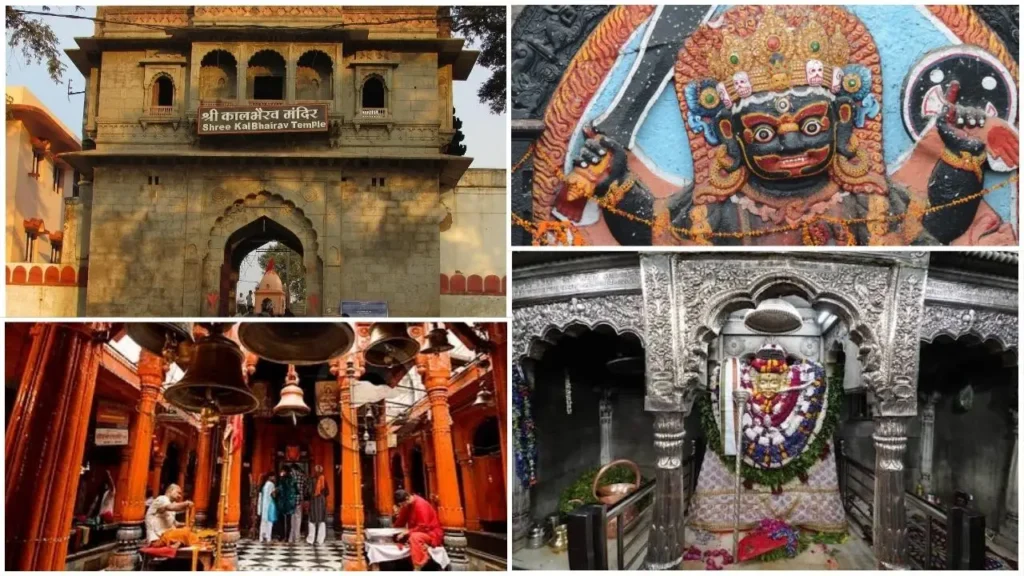
We do not see in the face of Kaal Bhairav temple the grandeur of some other temples from Varanasi but, rather, this place is characterized by the spiritual atmosphere more than the size of the building. The narrow alley ways to reach here in the ancient city will make you feel more that this is a very religious place. Although it is the temple of the same tradition of North India but in this place we can still see the spiritual simplicity which has been the key reason for the attraction of devotees for many years.
Entrance is very much like a gateway of a temple decorated at regular intervals where devotees take off their socks in accordance with local customs before stepping inside. Once past the entry, the temple bells with a loud ringing noise, Vedic hymns sung in devotional style, and other chants that will give you a peaceful and respectful feeling of the atmosphere.
The temple compound contains:
- A broad hall where followers can congregate
- The inner sanctum (Garbha Griha)
- Minor idols for other Hindu divinities
- Parts used for prayers and devotion services
- Stores providing flowers, garlands, oil, incense, and prasad
Though the temple has had modernization works from time to time, its core religious identity is still intact.
The Sacred Idol of Kaal Bhairav
What makes this temple special is an image of Lord Kaal Bhairav. In a typical Hindu temple, one can see the whole deity, but here the main worshippers are devotees who mainly show devotion to the silver-faced figure (Mukha) of Kaal Bhairav.
The fearsome and benevolent face is decorated with the following items:
- Silver mask
- expressive eyes
- Decorative crown
- Fresh flower garlands
- Sacred cloth
- Rudraksha ornaments
The rest of the deity is hidden, which adds to the temple’s magical element. The idol represents God’s righteousness, fearlessness, and divine protection. Numerous newcomers are taken aback when they find out that though the image of the deity is terrible, the mood of the sacred chamber remains peaceful and reverent.
Rituals and Worship at the Temple
In accordance with the time-honored practices the temple staff perform the daily rituals.
Here are some of these regular rites:
Morning Darshan
The temple gates open at daybreak, and people are allowed into the temple premises to receive the first darshan of the day and they can get the blessings they are seeking. This early darshan is considered a very lucky time. If you have not started your day yet and can go to the temples you will get the best wishes you can dream of.
Morning is also a perfect time for people who have been suffering through difficult periods and feel that their problems will be taken away, or who want to start some important enterprise (e.g., a business) or a relationship and wish for success and happiness. They can be assured of getting everything their hearts desire from Kaal Bhairav if they make their prayers during this sacred time.
Oil Offering.
Tribute to Kaal Bhairav in offering mustard oil is a major ritual at this temple. Devotees are of the opinion that through this deed one gets rid of all obstacles, negativity, and fears.
Flower Offerings
Garlands of marigolds, and other flowers are also offered during a Bhairava chant.
Coconut and Sweets
Coconuts, Ladoo’s, fruits, and sweets, for instance, are considered a symbol of thanksgiving and devotional offerings by numerous devotees.
Bhairav Chalisa and Mantra Chanting
Reciting the Bhairav Chalisa or chanting “Om Kalabhairavaya Namah” is believed to bring mental strength, protection, and spiritual peace.
Kaal Bhairav Temple Timings
The temple is open throughout the year on all regular days except on Sundays, Mondays, and Tuesdays when closed for maintenance or cleaning. During these days you have to plan ahead if you want to visit the temple as they will not be able to provide you with any service.
| Activity | Timing |
| Temple Opens | 5:00 AM |
| Morning Darshan | 5:00 AM – 12:00 PM |
| Afternoon Break | Around 12:00 PM – 1:00 PM (may vary) |
| Evening Darshan | 1:00 PM – 9:00 PM |
| Temple Closes | Around 9:00 PM |
Tip: Arrive before 7:00 AM for a peaceful darshan with shorter queues.
Kaal Bhairav Temple Aarti Timings
The temple conducts several rituals throughout the day. While timings can change on special occasions, the typical schedule includes:
| Aarti | Approximate Time |
| Mangala Aarti | Early Morning |
| Bhog Aarti | Afternoon |
| Sandhya Aarti | Evening |
The evening aarti at Kaal Bhairav Temple is a very special time; devotion fills the air as people chant holy songs
sacrificial bells peal and the perfume of incense wafts overall and gives a deeply spiritual experience. One should go to the evening aarti to get an unforgettable darshan.
Entry Fee
One of the wonderful things about Kaal Bhairav Temple
Entry fee: Free
There is no charge for getting a view (darshan)
Still, a devotee can make offerings if he likes:
- flowers
- prasad
- mustard oil
- coconut
- rudraksha malas
- special pujas offerings
These are all voluntary things. One can leave without anything and get the same darshan.
Best Time to Visit Kaal Bhairav Temple
The temple is open to visitors throughout the year, but there are some months when it is better to visit.
October to March
This season is known as the peak time to enjoy the temple since Varanasi enjoys cool and pleasant climate. Morning temperatures are cool which means you will be able to move around the temple and do other things comfortably too.
July September
The rain during monsoon season clean up the atmosphere, however, it can be sometimes difficult to walk on the roads because of the rain.
April to June
Varanasi summers are really scorching with temperatures soaring above 40°C. A great strategy to have is that if you visit the temple during this season then try to get through the darshan in the early morning hours only.
Major Festivals Celebrated
Bhairav Ashtami
This is the main festival here in the temple, which coincides with Lord Kaal Bhairav appearance day. A massive number of devotees flock to the temple on this date. Specific features of the celebration includes:
- Grand decorations
- Nonstop devotional singing
- Very significant puja rituals
- Few hours’ worth of darshan
- Distribution of sweets (prasad)
- Religious and cultural programmes
Mahashivratri
Mahashivratri is celebrated with high spirits for this is the day which marks the marriage of Lord Shiva and Goddess Parvati and as such is the most spiritual event of the year. Devotees take vows to fast, perform extra devotions of special prayers during the festival, and also participate in long night worship.
Mondays during Shravan Month
Rajasthani culture is very deeply immersed in the month of Shravan which is the most auspicious month in Shiva mythology. Thousands of Shiva devotees from all over the country come to Varanasi to attend various special rituals that are organized throughout the month.
Diwali and Kartik Month
When Dev Deepawali is celebrated in Varanasi lots of pilgrims also decide to go to Kaal Bhairav Temple along their route.
During this time, the temple is lit up in a way so attractive that people hardly have to go to other places to see the lighting.
Dress Code
There is no strict dress code, but modest clothing is recommended.
Suggested attire:
For Men
- Kurta-pajama
- Shirt and trousers
- Traditional Indian wear
- Comfortable footwear
For Women
- Saree
- Salwar suit
- Kurti with leggings
- Modest western clothing
Avoid overly revealing outfits out of respect for the religious environment.
Photography Rules
Most visitors are not allowed to make photos of the interior of the temple which is considered a sacred and very holy place. They should therefore respect the rules and follow the temple guidelines which include but are not limited to the following:
- Taking photographs inside the temple is forbidden
- Obey the instructions of temple officers
- Mobile phones should be kept away from being switched on
- Using flashlight for taking photographs inside the temple is a grave sin
- Prayers and devotions by worshippers should be treated with total respect
- Rituals must not be recorded unless the permission of the priests or temple authorities is obtained.
Outside the premises of the temple, you are usually free to take photographs, but you should always check with the local authorities to see if there are any restrictions in specific areas.
Important Tips for First-Time Visitors
If one follows these pieces of advice then the visit will be very satisfying:
- Go before the rush of the day.
- Only carry what is necessary.
- Have some money in cash for petty purchases.
- Put on some well-worn shoes to cope with the narrow alleys of the street.
- Keep yourself hydrated, especially in the height of the summer.
- Keep away from tour guides who have not been given a permit.
- Conduct yourself in a manner that is respectful to the locals and remain quiet in vicinity of the sanctum.
- Should you also visit the Kashi Vishwanath Temple, arrange for both of them on the same day and indulge yourself spiritually.
These spots can very well be planned as a one-day or two-day tour of Varanasi.
Same Day Ayodhya Tour Package Itinerary
Start of the Day: Hotel, Station, or Airport Pickup
You will get a car to your selected location in Ayodhya which can be your hotel, railway station, or airport as well. With this pick-up service, the journey of your Ayodhya spiritual visit begins in a very comfortable way.
Visit Shri Ram Janmabhoomi
You will visit the great Shri Ram Janmabhoomi where Lord Ram and Sita are the deities. This temple was built on the site of the former Janaki Mandir which was destroyed. You will have an experience of the religious atmosphere of this holy birthplace of the two divine children of Lord Ram in a temple.
Visit of Hanuman Garhi
Pray to Lord Hanuman at their most sacred hanuman Garhi in Ayodhya one of the most sacred temples dedicated to hanuman.
Experiences on Kanak Bhawan
You will go to Kanak Bhawan which is not only a place of pilgrimage for the religious people but also one of the architectural marvels built as an ancient part of the Ayodhya kingdom and is said to be the place where Sri Ram married Goddess Sita.
Visit to the ghats of Saryu River
You can spend a quiet time at the Saryu ghats, where you can admire this holy river and feel its spiritual energy.
Shopping and Temple Visit
Walk around the bustling markets in the vicinity, buy your favorite prasad, and explore small temples as well.
End of the Tour
After the tour, you will get back to your favorite place in Ayodhya or wherever you wish. The tour will include a hotel, station or airport drop-off depending on your request.
Book Your Kaal Bhairav with Trip My Ayodhya
Plan and enjoy a spiritually enriching travel experience in a very convenient way through the expert assistance of Trip My Ayodhya. Being a reliable and trusted company for pilgrimage tour management, we ensure your tours from a temple to a temple go like a dream. We have customized tours and comfortable transport. You need not only get the spiritual darshan but also have an enjoyable time in visiting local tourist spots while you are there. With our services, you will not have hotel booking or travel planning worries, as everything is already well arranged by us.
Visit Ayodhya, Varanasi, Mathura, and Vrindavan with a peace of mind as we handle things on our end so that you can devote your time and energy solely to experiencing a spiritual and religious trip. Select our package as the best of all your options if you want a hassle-free, pleasant, and unforgettable travel venture to the most holy places in India.
Bookings with Trip My Ayodhya What You Gain
- Customized Tours We make the itineraries according to how the customer needs time and expenditure-wise
- Travel in Comfort Our vehicles are kept in a good condition and the drivers are experienced
- Celebrating Priority Darshan You will be able to save the time at temple visits if we handle temple visits well
- Local Experts The tour is explained in detail with spiritual knowledge by an expert guide
- Lower Cost There is a combination of many services with competitive price and no hidden fees
- Available Anytime Service Customer support team will give you help for the rest of your adventure
- Integrated Services All the necessary services like stay, transport, and sightseeing have to only be asked for once
Also BOOK: Same Day Ayodhya Tour Package – Itinerary – Explore the top temples and spiritual attractions of Ayodhya in one day with a well-planned sightseeing itinerary.
Plan your upcoming trip with us and experience a divine journey like never before!
📞 Call Us: +91 7078723132 | +91 9557104160
📲 WhatsApp Us: +91 7078723132 | +91 9557104160
🌐 Visit Our Website: Trip My Ayodhya | Vrindavan Mathura Tourism
🔗Explore all our packages here 👉 Trip My Ayodhya Packages
🔗 Read Our Blogs for Travel Inspiration: Trip My Ayodhya Blog’s
How to Reach Kaal Bhairav Temple Varanasi
It is in a part of the city that is very old and it is very easy to reach this temple by road, rail as well as by air. The main issue with the temple is that you have to walk a distance at least to reach it from wherever you might have come from, whether you come in a car or a motorcar.
By Air
The closest major airport is Lal Bahadur Shastri International Airport (VNS), about 25, 27 km away from the temple. From the airport, you can hire an auto, taxi, or app-based ride to get to the old city. Depending on the traffic, it normally takes you between 45 minutes and 1 hour to arrive at the city.
By Railway
Varanasi is connected to the rest of the country through the following famous railway stations:
- Varanasi Junction (Cantt), Approximately 5 km.
- Banaras Railway Station, About 6 km.
- Kashi Railway Station, around 4 km
Beyond every one of the three stations mentioned you will find a respectable number of tuk-tuks, bicycles, and taxis waiting to give people a lift on.
By Road
Varanasi lies at an ideal distance from major cities like Prayagraj, Lucknow, Ayodhya, Gorakhpur, and Patna and one can get here even by bus. Public transport buses, private hire buses, and taxi services are very commonly found around. For families it might be more comfortable to opt for a private taxi though.
Temple Etiquette and Visitor Guidelines
Being respectful and observing the norms that are set for temple visitors is a sign of one’s spiritual maturity that not only allows the temple to be respected but also makes the experience better for everyone that will use it.
- Remove your shoes before entering the temple.
- Pick clothes that do not provoke people’s thoughts and respect others.
- Switch off your phone and put it on mute.
- Do not push when you are in a group.
- Do as told by the temple authorities and security guards.
- Clean the temple ground of any form of litter.
- If you want to give a contribution, you can make one only at the donation counters that have been officially approved.
- Respect other people who are worshipping during the prayer period.
What Can You Buy Near the Temple?
Along the path leading to Kaal Bhairav Temple there is a number of little shops offering religious items and local products. Items often taken home by visitors include:
- Rudraksha malas
- Brass statues of Lord Shiva and Kaal Bhairav
- Camphor and incense sticks
- Mustard oil used in Hindu rituals
- Drooping flower garlands
- Scriptures and holy books
- Indian sweets from Banaras
- Memorabilia and key chains
For those of you who like to have Banarasi silk saree or handicrafts, you have the chance to see the nearby markets after the temple visit.
Tips for a Peaceful Darshan
The temple visit will be more comfortable and meaningful if you spend some time preparing before going there.
- Go on weekdays if possible because the temple is less jampacked during the weekdays than on weekends and festival days.
- Go in the early morning hours so that you will get a very short line up of people and you will also be able to enjoy a very quiet atmosphere.
- Bring with you a cool bottle of drinking water, particularly if it is a sizzling summer.
- Wearing good, comfortable shoes is recommended because the walking path will mainly consist of the narrowest streets.
- Keep some slight change on you for offerings and local shops.
- Please do not pay a visit to someone else by offering you money if they claim that you will get a special darshan by making their guide “happy”.
- Allowing more time if there are older people in the family as it may require a long walk.
Spiritual Importance of Visiting Kaal Bhairav Temple
For devotees, visiting Kaal Bhairav Temple is more than a ritual—it is a reminder of the values Lord Bhairav represents: courage, discipline, justice, and protection.
Many pilgrims believe that sincere prayers here help them:
- Overcome fear and anxiety
- Develop inner strength
- Stay focused during difficult phases of life
- Seeking protection from negative influences
- Strengthen their spiritual connection with Lord Shiva
Whether or not you follow these beliefs, the temple offers a unique opportunity to experience the rich spiritual traditions that have shaped Varanasi for centuries.
Nearby Places to Visit
When you are done with darshan at Kaal Bhairav Temple, you can explore multiple fascinating destinations right at your doorstep:
- Kashi Vishwanath Temple: is one of the twelve Jyotirlingas besides being the religious center of Varanasi.
- Annapurna Devi Temple: the goddess associated with food and prosperity is the main deity of this temple.
- Dashashwamedh Ghat: it is known for the breathtaking Ganga Aarti which takes place every evening.
- Manikarnika Ghat: one of the major ghats where the bodies of Hindus are cremated.
- Vishalakshi Temple: it is also known as one of the Shakti Peethas and very popular among Hindu devotees.
- Sankat Mochan Hanuman Temple: it is the temple of Lord Hanuman which is visited to get relief from various troubles.
- Assi Ghat: this spot in the city where Ganga flows is the best place to start your morning yoga or witness some cultural programs.
Conclusion
A visit to Kaal Bhairav Temple Varanasi is much more than a stop on a sightseeing itinerary. It is an opportunity to connect with one of the most revered forms of Lord Shiva and to experience a tradition that has been part of Kashi’s spiritual heritage for centuries.
From its fascinating legends and historical significance to its peaceful atmosphere and deeply rooted rituals, the temple continues to inspire millions of devotees every year. Whether you are seeking blessings, exploring the religious history of Varanasi, or simply looking to understand the city’s spiritual identity, Kaal Bhairav Temple deserves a place on your travel list.
Before your trip, check the latest temple timings, plan your visit during the cooler morning hours, and combine it with nearby landmarks like Kashi Vishwanath Temple and Dashashwamedh Ghat for a truly memorable experience.
Frequently Asked Questions (FAQs) About Kaal Bhairav Temple Varanasi
1. What are the Kaal Bhairav Temple Varanasi timings?
Kaal Bhairav Temple is generally open every day from 5:00 AM to 9:00 PM. Devotees can visit throughout the day for darshan, although there may be a short afternoon break for temple rituals. During festivals such as Bhairav Ashtami and Mahashivratri, the temple may remain open for extended hours.
2. Which day is best to visit Kaal Bhairav Temple?
You can visit the temple on any day, but Sundays and Tuesdays are considered especially auspicious for worshipping Lord Kaal Bhairav. These days attract a larger number of devotees who seek blessings for protection, courage, and the removal of obstacles.
3. When should I visit Kaal Bhairav Temple Varanasi?
The best time to visit is early in the morning between 5:00 AM and 8:00 AM, when the temple is less crowded and offers a peaceful atmosphere for darshan. For the most comfortable weather, plan your trip between October and March. If you wish to experience the temple’s festive spirit, visit during Bhairav Ashtami or Mahashivratri.
4. Where is Kaal Bhairav Temple located in Varanasi?
Kaal Bhairav Temple is located in Bhadrinath, Visheshwarganj, Varanasi, Uttar Pradesh. It is approximately 3 km from Kashi Vishwanath Temple and around 5 km from Varanasi Junction Railway Station. The temple is situated in the old city and is easily accessible by autorickshaw, taxi, or on foot through Varanasi’s historic lanes.
5. What is the story of Kaal Bhairav Temple Varanasi?
According to Hindu mythology, Lord Kaal Bhairav is the fierce manifestation of Lord Shiva. He was created to punish Lord Brahma’s arrogance by severing one of Brahma’s five heads. As a result, Bhairava wandered across sacred places carrying Brahma’s skull until he reached Kashi, where he was freed from the sin of Brahmahatya. Since then, he has been worshipped as the Kotwal (Guardian) of Kashi, protecting the holy city and its devotees.
6. Is Kaal Bhairav Temple in Visheshwarganj?
Yes. Kaal Bhairav Temple is located in the Visheshwarganj (Bhaironath) area of Varanasi. It is one of the city’s oldest and most revered temples, attracting thousands of pilgrims every day.
7. Is VIP Darshan available at Kaal Bhairav Temple Varanasi?
There is no official VIP darshan system for regular visitors at Kaal Bhairav Temple. Most devotees join the standard darshan queue. During major festivals or special occasions, the temple administration may introduce crowd management measures, but there is generally no paid VIP entry.
8. Can I take photos inside Kaal Bhairav Temple?
Photography is generally not permitted inside the main sanctum (Garbha Griha). Visitors may be allowed to take photographs in the outer areas of the temple, provided they follow the temple’s rules and respect the privacy of other devotees.
9. How can I reach Kaal Bhairav Temple Varanasi?
The temple is conveniently located and can be reached by taxi, autorickshaw, e-rickshaw, or on foot. It is approximately:
3 km from Kashi Vishwanath Temple
5 km from Varanasi Junction Railway Station
25–27 km from Lal Bahadur Shastri International Airport
Since the temple is located in the old city, visitors may need to walk the last few hundred meters through narrow lanes.
10. What is the Shayan Aarti timing at Kaal Bhairav Temple?
The Shayan Aarti is usually performed in the evening before the temple closes, typically between 8:30 PM and 9:00 PM. However, the exact timing may vary depending on the season, temple rituals, and special festivals. Visitors wishing to attend the Shayan Aarti should arrive early and confirm the schedule at the temple on the day of their visit.