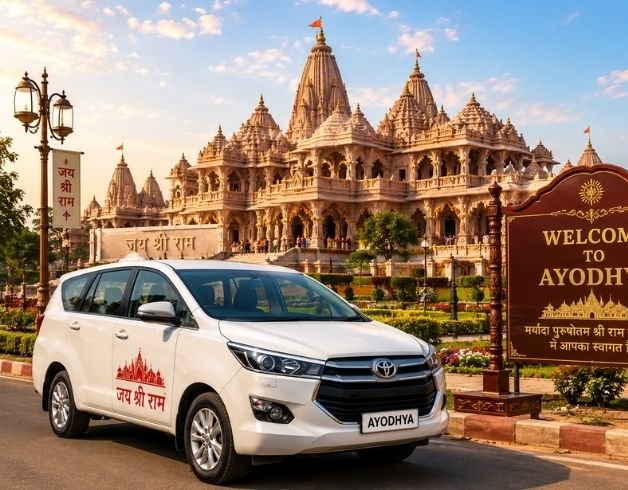

India is not just a destination. It is an emotion rooted in religion, spirituality, and age-old traditions. There are innumerable holy destinations all over the country, but Ayodhya and Varanasi are undoubtedly the most spiritually eminent in Hinduism. One is regarded as the birthplace of Lord Ram, and the other is worshipped as the eternal city of Lord Shiva.
The itineration of Ayodhya and Varanasi is not as easy as a pilgrimage. Rather, it is an emotional trip that creates a sacred connection of devotees with ages of faiths, mythology, and culture. The spiritual circuit has grown popular with the grand opening of Ram Mandir at Ayodhya and the comprehensive development of the Kashi Vishwanath corridor at Varanasi.
Reasons for the Popularity of the Ayodhya-Varanasi Tour
The spiritual circuit of Ayodhya and Varanasi is one of the most revered pilgrimage tours of India. And now lakhs of devotees are dreaming of witnessing the divine charm of Lord Ram while embracing the divine confederation of Lord Shiva in a spiritual trip along the route.
Emergence of Spiritual Tourism in UP
Uttar Pradesh has become the biggest religious tourism destination in India. The way roads, airports, railway stations, riverfronts, and tourism infrastructure have been developed, the journeys of pilgrims have been completely revolutionized.
Ayodhya witnessed an explosive rise in tourists after the opening of Shri Ram Mandir. According to the report, the arrivals increased from lacs to crores within months after the inauguration of the temple.
Likewise, Varanasi attracted more than 7.26 crore congregations in 2025 and took a honking place globally as the religious and spiritual center of lakhs of domestic and international travelers.
Religious Importance of Ayodhya
Ayodhya – The Prolific Birthplace of Lord Ram
Ayodhya is known to be one of the seven sacred cities of Hinduism and is also called the “Sapta Puri.” Mythologically, the city was the capital of the ancient Kosala kingdom and the city of Lord Ram, the seventh avatar of Santa Vishnu.
Splaying through the city appears like walking on the floors of Saint Ramayana. Every nook and corner of temples, ghats, and streets bears immense spirituality.
Shri Ram Mandir
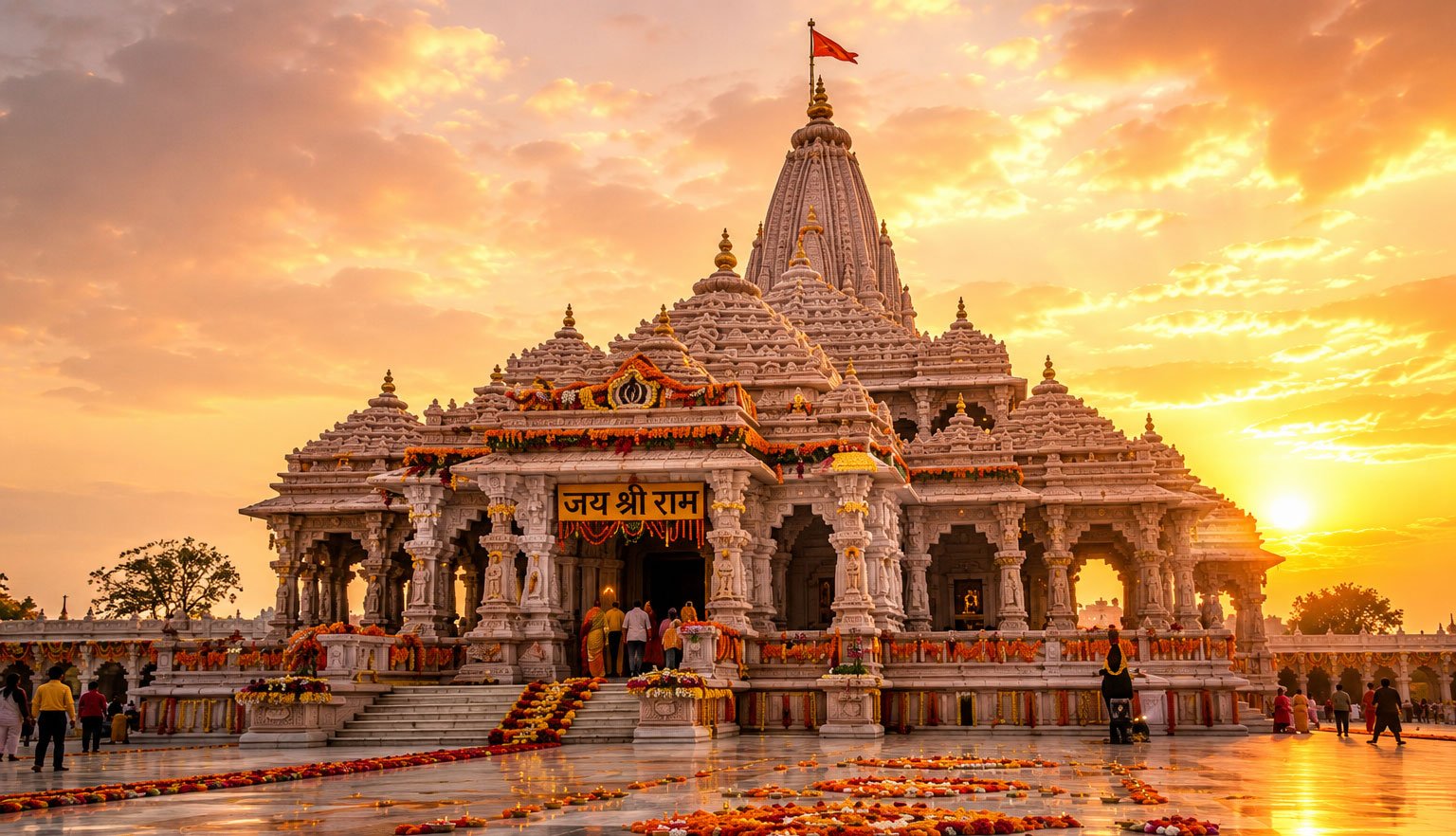
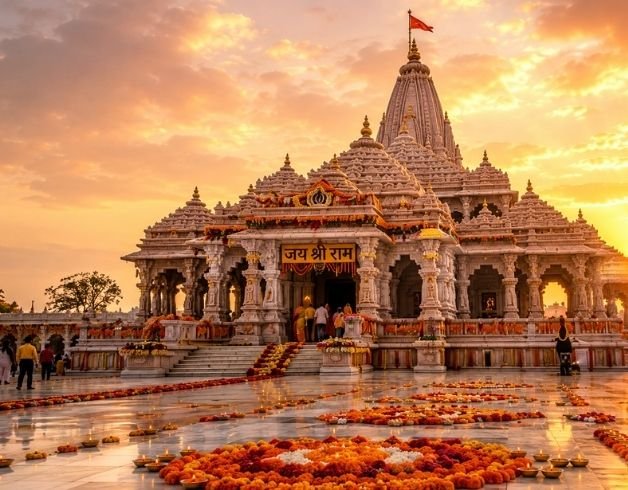
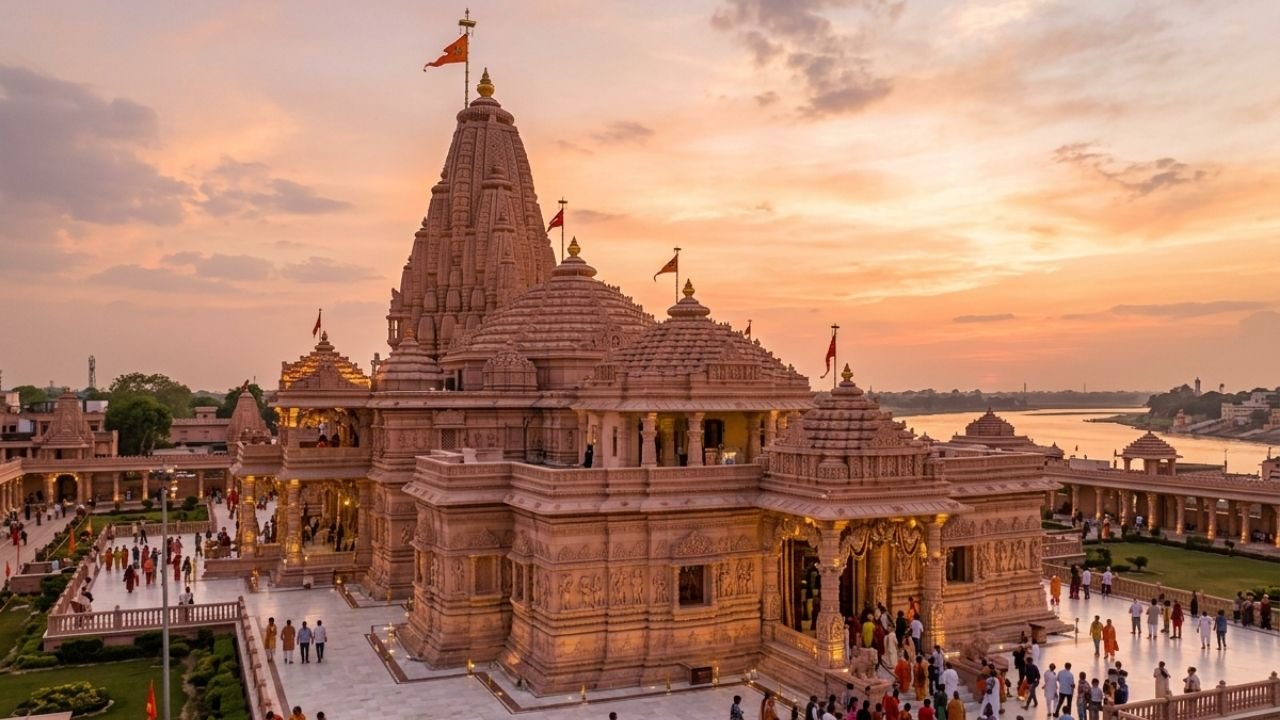
The newly developed Ram Mandir has made Ayodhya a worldwide spiritual power. The temple has been designed in classic Nagara architectural style and is decked by each modern and contextual architectural aspect, like art carved mesmerizingly on stunning pillars, 1000-foot-high and 60-foot-round mandapas, and the technique of Sanatan Dharma embedded projection.
Devotees experience an unimaginable feeling while witnessing the first darshan of Ram Lalla standing inside the temple.
Main Attractions in Ayodhya
The prominent destinations of spiritual interest in the city are:
- Ram Mandir
- Hanuman Garhi
- Kanak Bhawan
- Ram Ki Paidi
- Saryu Ghat
- Nageshwarnath Temple
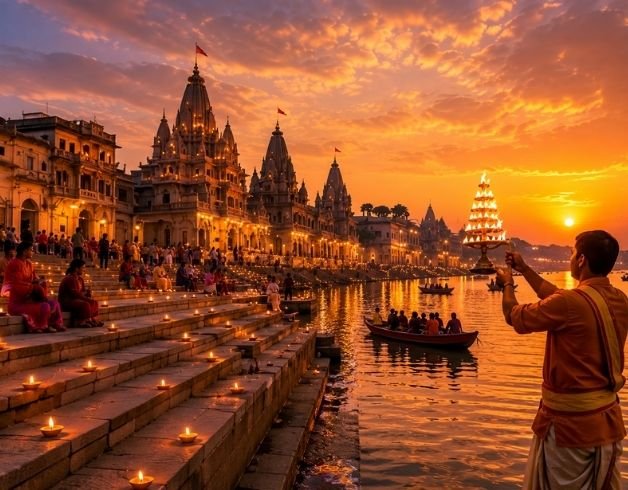
Saryu Aarti in the evening is beyond expression and majestic with the gathering of countless beautiful diyas on riverbanks.
Religious Significance of Varanasi
Varanasi – The Eternal City of Lord Shiva
Varanasi is regarded as being the most primitive sort of settlement continuously inhabited on earth. It has also been named as the “Sant City” of Hinduism. Mythologically, it was considered the end of the world, the birthplace of the stupa “Kashi,” representing moksha, salvation.
Kashi Vishwanath
The core of Varanasi is depicted by the holy Kashi Vishwanath Temple, one of the twelve Jyotirlingas of Lord Shiva. Pilgrims believe that their trespass to this temple surely offers them divine blessings.
The Kashi Vishwanath corridor has considerably extended the pilgrimage experience by beginning with the temple and ending with the ghats.
Memorable Spiritual Experiences
- Sunrise boat rides on River Ganga
- Ganga Aarti at Dashashwamedh Ghat
- Dayend walks and spiritual chanting along old lanes
- Visiting traditional temples and Ashrams
- Watching the life of sadhu and saints
What is the Best Time for an Ayodhya-Varanasi Tour
October to March – Love Season
You should plan your Ayodhya-Varanasi trip between October and March when the weather remains pleasurable to explore temples and visiting places.
Advantages of Winter Trip
- Much relax street explorations
- More comfortable pilgrimage journeys
- Prioritized temple offerings to Shiva, Vishnu and other devas
- The dry season for sightseeing trips
Advantages of Summer Season
April to June is considered the hottest season, with temperatures soaring high over 40°C.
Important Tips
- Visit temples early in the morning
- Carry water bottles
- Avoid traveling in hours of noon
- Opt for air-conditioned vehicles and hotels
Availability of food items and medicines is also great.
Advantages of Monsoon Season
From July to September, rainy weather instigates a transparent and chill atmosphere.
What are the advantages of traveling in monsoon?
- Less crowded localities
- Colorful river vistas
- Fertilized green environments
- Spiritual cosmopolitanism
Sometimes sudden heavy showers may affect local transportation at ghats and riverbanks.
Festival Experiences at Ayodhya and Varanasi
Attractive celebrations of festivals have driven Ayodhya-Varanasi tourism to new heights. The Deepotsav in Ayodhya and Dev Deepawali in Varanasi have made headlines due to their wide fame all over India.
During visuals, hotel bookings and tour packages should be booked in advance.
Ayodhya Deepotsava
Deepotsava in Ayodhya has drawn lakhs of devotees to the city. The entire city gets flooded by innumerable diyas, including the entire urban fabric and floating islands in riverlines.
Varanasi Dev Deepawali
The festival of Dev Deepawali converts the city of Lord Shiva into the epitome of holy appeals. The riverlines get enlightened by lamps and appear charming to take babymoons in neighboring suburbs.
Package Tour Offering at Ayodhya Varanasi
Different tour operators now offer customizable tour packages of 2N / 3D to 7N / 8D as per the budget and class of travelers.
Budget Tours
Highly suited for those pilgrims who want the economical spiritual journey, with hotels near temple locations, shared taxis, and basic sightseeing options.
Deluxe Tours
Suitable for family holidays with more exclusive options of deluxe hotels, taxis, and guided sightseeing options.
Premium or Luxury Tours
Excellent for those seeking 100 percent luxuries on pilgrimage destinations with everything tailored to preferences.
How to Reach at Ayodhya and Varanasi
By Air
Maharashtra’s Maharishi Valmiki International Airport now facilitates easy air connection with the airports of Delhi, Mumbai, Bengaluru, and other big cities of India.
Lal Bahadur Shastri International Airport services at Varanasi.
By Train
Both the destinations are proposed by several other cities with expedient global connectivity.
By Road
Modern highways, improved roads, and national roadways have considerably dipped the intercity journey challenges.
Precautions to be Taken for Ayodhya-Varanasi Trip
- Wear modest dressing styles
- Think about personal belongings and valuables
- Mingle with local people during sightseeing
- Respect, play and interact locally and patiently
- Strictly follow hygiene and eatables instructions during festivals
- Early book the tour packages hotels for festivals, as everything gets booked immediately
Final Words
The attraction of the Ayodhya-Varanasi trip is not just “to go.” It is a religious pilgrimage that refines not only your mind, body, and soul, but also establishes the core values of Lord Ram and Lord Shiva.
While the spiritual trip to Ayodhya imbibes the feeling of dedication, empathy, and morality, the trip to Varanasi offers the baptism in the ocean of Shiva’s love, forgiveness, and tranquility.
Both together create the most spiritual combination in Hinduism.
FAQ (Frequently Asked Questions)
What is the best time for the Ayodhya-Varanasi tour?
The best time for Ayodhya Varanasi Tour is from October to March when the climate is friendly for temple visits and tourist exploration.
How many days are enough for an Ayodhya and Varanasi trip?
A 4-6 days tour plan is perfect to indulge in temple visits and explore the beauty of Ayodhya and Varanasi.
Which temples are famous in Ayodhya and Varanasi?
Ayodhya is famous for Ram Mandir, Hanuman Garhi, Kanak Bhawan temples and in Varanasi, Kashi Vishwanath Temple, Sankat Mochan Temple gained astronomical popularity.
Is the Ayodhya-Varanasi tour suitable for family trips?
Yes, travelers and pilgrims planning a family trip can easily thrive in Ayodhya Varanasi Tour. It is very suitable for family trips, senior people & pilgrims.
How do I reach from Ayodhya to Varanasi?
By road/train or private taxi you can reach from Ayodhya to Varanasi.